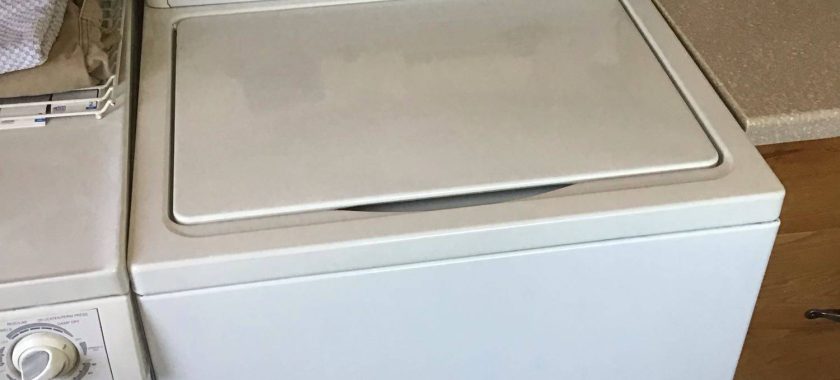
A Bosch washing machine that suddenly becomes loud during the spin cycle should not be ignored. Some washing machines naturally produce more noise when the drum reaches high speed, but a loud grinding, rumbling, banging, or roaring sound can indicate a mechanical problem. One of the more serious possibilities is a worn drum bearing or damaged drum support.
The spin cycle places significant stress on the drum assembly. If a bearing begins to fail or the drum support becomes damaged, the machine may become noticeably louder as the spin speed increases. Continuing to use the washer can make the problem worse and may eventually lead to additional damage.
What Kind of Noise Is the Washer Making?
The type of sound can provide useful clues about the source of the problem.
A deep rumbling or roaring sound that gets louder during high-speed spinning may indicate worn drum bearings. Grinding or scraping can point to bearing damage or another component making contact with the rotating drum.
A loud banging or knocking sound may have a different cause. An unbalanced load, damaged suspension components, loose counterweights, or an object trapped inside the drum can create strong vibration and noise.
If the machine sounds normal during washing but becomes extremely loud during spin, the problem may be associated with components that are under greater load when the drum rotates rapidly.
Worn Drum Bearings
Drum bearings allow the washing machine drum to rotate smoothly. Over time, bearings can wear because of repeated use, moisture exposure, and normal mechanical stress.
One common symptom is a loud rumbling noise during spin. The sound may gradually become worse over weeks or months. In some cases, the drum may also develop excessive movement.
A technician can inspect the drum and bearing assembly to determine whether the bearing is worn. If the bearing has failed, replacement may be necessary. Depending on the Bosch model and the construction of the tub assembly, the repair can involve significant disassembly.
Ignoring a failing bearing can allow the problem to progress. A damaged bearing may affect other components and, in severe cases, cause the drum to move incorrectly inside the tub.
Damaged Drum Support
The drum support, sometimes called a spider assembly or drum support, helps hold the drum securely while it rotates. If this component becomes cracked, corroded, or damaged, the drum may no longer rotate correctly.
A damaged drum support can produce banging, knocking, scraping, or unusual vibration during spin. The washer may also appear to shake more than it normally does.
Because the drum support is connected directly to the rotating assembly, a failure can affect the balance and movement of the drum. Professional inspection is recommended when unusual movement accompanies loud spinning noises.
Other Possible Causes
A bearing or drum support is not the only possible explanation for a noisy Bosch washer.
An uneven load is one of the simplest causes. A single heavy item, such as a large towel or blanket, can collect on one side of the drum and create excessive vibration. Redistributing the load and running another spin cycle can help determine whether the problem was temporary.
The washer should also be checked for proper leveling. If the appliance is not sitting firmly on the floor, vibration can become much more noticeable during high-speed spinning.
Loose objects can create noise as well. Coins, buttons, wires, or other small items may become trapped between the drum and tub or inside the pump system.
Suspension components and shock absorbers can also wear over time. When they no longer control the movement of the tub effectively, the machine may shake, bounce, or bang during spin.
How to Check the Problem
Start by stopping the washer and checking whether the noise occurs with an empty drum. If the sound disappears with no clothes inside, an unbalanced load may have contributed to the problem.
With the appliance turned off, the drum can also be checked for unusual looseness or excessive movement. Do not force the drum or attempt to disassemble the appliance without the appropriate experience.
Pay attention to when the noise occurs. A sound that increases consistently with spin speed can provide useful information to a technician. If the washer makes grinding or roaring noises even when empty, a mechanical component such as a bearing deserves closer inspection.
Why Prompt Repair Matters
A washing machine with a failing bearing or drum support can continue operating for a while, which sometimes leads homeowners to postpone service. However, continued use can increase mechanical wear.
If the drum is no longer properly supported, additional components may become damaged. Water leakage, belt problems, motor strain, or damage to other parts of the washer can develop depending on the specific failure.
Professional diagnosis can identify the actual source of the noise before unnecessary parts are replaced. A technician can inspect the drum assembly, bearings, suspension components, drive system, and other areas that may contribute to excessive noise.
Call Chula Vista Appliance Repair Company
If your Bosch washing machine is making a loud rumbling, grinding, banging, or scraping noise during the spin cycle, professional inspection can help determine whether the problem involves the drum bearing, drum support, suspension system, or another component.
Do not keep running the washer if the noise is severe or getting worse. Contact Chula Vista Appliance Repair Company to schedule appliance repair service.
Call (619) 880-5508 to request service for your Bosch washing machine.