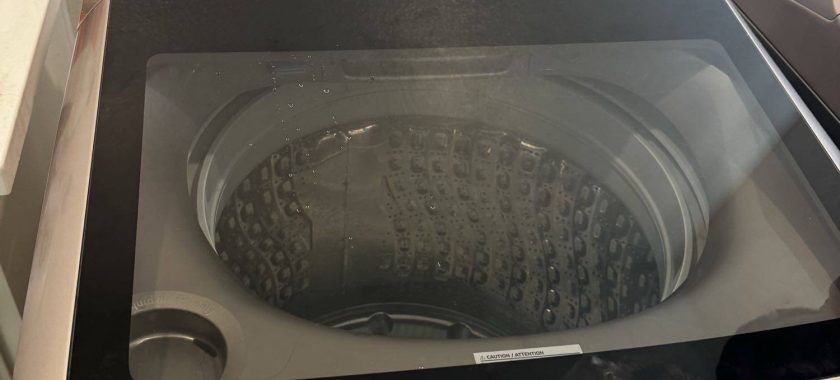
A Maytag washing machine that stops during the rinse cycle can leave clothes soaking wet, detergent residue in the fabric, and water sitting inside the drum. The washer may fill normally at the beginning of the cycle, complete the wash phase, and then stop when it is supposed to rinse. In some cases, the display shows an error code. In others, the machine simply pauses, flashes its lights, or remains unresponsive.
When this happens repeatedly, the problem may involve the water inlet valve, electronic control board, water supply, or another component responsible for completing the rinse cycle. Identifying the underlying cause helps prevent repeated interruptions, unnecessary water use, and additional strain on the appliance.
Why Does a Maytag Washer Stop During Rinsing?
The rinse cycle requires the washer to perform several operations in sequence. Depending on the model and selected settings, the machine drains the used wash water, introduces fresh water, moves the laundry through the rinse process, and drains again before spinning.
If one of these steps cannot be completed, the washer may pause or stop altogether. For example, the control system may wait for the tub to reach the required water level before continuing. If the water enters too slowly or the machine cannot detect the correct level, the cycle may remain incomplete.
The first step in troubleshooting is to determine whether the washer stops while filling, draining, agitating, or transitioning to the spin cycle. This information helps narrow down the possible cause.
Faulty Water Inlet Valve
The water inlet valve controls the flow of water into the washing machine. It opens when the appliance needs water and closes when the required amount has entered the tub. Most models use electrically operated valve solenoids to control hot and cold water supply.
If the valve becomes clogged, worn, or electrically defective, the washer may struggle to fill during rinsing. A machine that fills adequately during the wash phase can still experience problems later if a valve component is failing intermittently or if the rinse phase requires a different water temperature or supply configuration.
Common warning signs include unusually slow filling, a humming sound without sufficient water entering the tub, repeated pauses during rinsing, or an incomplete cycle accompanied by a water-related error code.
Before assuming the valve has failed, check that both household water supply faucets are fully open and that the hoses are not kinked. Restricted flow or clogged inlet screens can produce symptoms similar to a defective valve.
If the external water supply is adequate, a technician can inspect the inlet screens, test the valve’s electrical operation, and determine whether replacement is necessary. Disconnect the washer from power and shut off the water supply before performing any permitted external checks. Internal electrical testing should be left to a qualified professional.
Electronic Control Board Problems
The electronic control board coordinates the washer’s operations, including filling, draining, agitation, and spinning. It receives information from sensors and sends commands to the components responsible for each stage of the cycle.
When the board develops a fault, the washer may stop unexpectedly even when the water supply and mechanical components appear normal. A damaged circuit, failed electronic component, loose connection, or intermittent electrical fault can interfere with the commands needed to complete rinsing.
Symptoms may include a cycle that stops at approximately the same point every time, unresponsive controls, unusual indicator-light patterns, or different cycle stages failing inconsistently.
However, a washer stopping during rinsing does not automatically mean the control board needs replacement. A faulty inlet valve, water-level pressure sensor, wiring connection, or drain system can produce similar behavior.
A technician can check stored error codes, inspect the wiring, verify power and control signals, and test related components before recommending a replacement board. This diagnostic process helps avoid replacing an expensive electronic part when another component is responsible.
Other Possible Causes
Although the water inlet valve and control board are important possibilities, several other issues can interrupt a Maytag washer’s rinse cycle.
A clogged drain pump or filter can prevent the machine from removing water between stages. Depending on the model, the washer may refuse to proceed until draining is complete. Standing water, a slow drain, or unusual pump noises may indicate a drainage problem.
A restricted drain hose can slow water removal or cause improper draining. Check the visible hose for kinks and make sure the installation follows the manufacturer’s instructions.
A water-level pressure sensor problem can prevent the control system from recognizing that the tub has filled or emptied correctly. A blocked pressure hose, damaged sensor, or faulty connection may cause the washer to pause unexpectedly.
An unbalanced load can interfere with the transition to high-speed spinning after rinsing. Bulky items, heavy towels, or a small collection of garments can distribute unevenly around the drum. Redistributing the laundry and selecting the appropriate cycle may resolve this type of interruption.
Excessive suds can also affect cycle timing on some models. Using too much detergent or a detergent that is unsuitable for a high-efficiency washer may interfere with rinsing and draining.
What Can You Check Before Calling for Repair?
A few basic checks can help identify a simple problem without disassembling the appliance.
First, check the display for an error code and consult the owner’s manual for its meaning. The code can provide useful information about filling, draining, or other operating conditions.
Next, verify that the water supply faucets are open and that the inlet hoses are not bent or crushed. Inspect the visible drain hose and confirm that the laundry is distributed reasonably evenly in the drum.
If the washer appears frozen or its controls are unresponsive, consult the manufacturer’s instructions for resetting the specific model. Some Maytag washers support a power reset, but reset procedures vary. A reset may clear a temporary control issue; it will not repair a failed valve, damaged wiring, or defective control board.
Do not open the control panel or attempt to test energized components yourself. Washing machines combine electricity, water, and moving parts, so internal diagnosis requires appropriate training and equipment.
When Should You Schedule Professional Repair?
If your Maytag washer repeatedly stops during rinsing, fails to fill, leaves water in the drum, or displays recurring error codes, professional diagnosis is the next step. Continuing to restart an appliance with an unresolved fault may waste water and electricity or allow an existing problem to worsen.
A qualified appliance technician can evaluate the water inlet valve, control board, pressure sensor, drain pump, wiring, and other components according to the symptoms and the washer’s model-specific diagnostic procedures.
Accurate diagnosis also helps you understand the likely repair requirements before authorizing parts replacement. The appropriate solution may be cleaning a restricted inlet screen, correcting a hose problem, replacing a failed valve, repairing a connection, or addressing an electronic control fault.
Get Your Maytag Washing Machine Working Again
A washer that stops during the rinse cycle can disrupt your household routine and leave laundry unfinished. Finding the actual cause is the best way to restore reliable operation without spending money on unnecessary parts.
If your Maytag washing machine keeps stopping during rinsing, contact Chula Vista Appliance Repair Company for professional appliance repair. Call (619) 880-5508 to schedule service and have your washer inspected. A technician can identify the source of the interruption and recommend the appropriate repair to help your appliance complete its cycles properly.