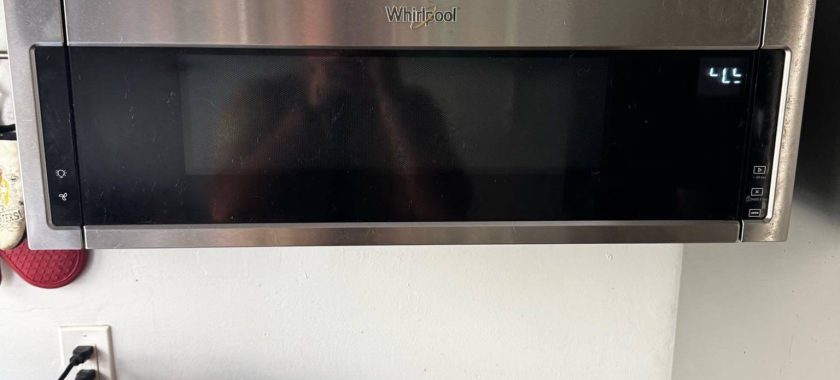
A microwave is one of the most frequently used kitchen appliances, valued for its speed, convenience, and ability to reheat or cook food in minutes. That is why any sudden malfunction can be frustrating, especially when the appliance shuts off right in the middle of a cycle. One of the most common and often overlooked problems is overheating. When a microwave gets too hot, it may stop mid-operation to protect itself from serious damage or electrical hazards. In many cases, the core reasons behind this behavior involve a faulty cooling fan or a failing thermal fuse. Understanding how these components work and why they fail can help you take the right steps before the appliance becomes unsafe or completely unusable.
Why Microwaves Overheat
Microwaves generate heat through a component called a magnetron. While this device is designed to handle high temperatures, it still requires proper cooling to function safely and efficiently. When the microwave operates, a cooling fan directs air over the magnetron and other internal parts to prevent overheating. If airflow becomes restricted or the cooling system stops working correctly, temperatures rise quickly, triggering internal safety mechanisms that shut the appliance down.
Another important protective device is the thermal fuse. This small but essential component monitors temperature. When it senses an unsafe rise, it automatically cuts power to the microwave to prevent fire risks or damage to the magnetron. If the thermal fuse becomes overly sensitive, worn out, or damaged, it may cut off power prematurely, even if the temperature is not critically high.
Common Causes of Overheating and Mid-Cycle Shutdown
1. Faulty Cooling Fan
If the cooling fan slows down, stops working, or becomes blocked by debris, the microwave is unable to dissipate heat effectively. Typical indicators include unusual buzzing noises, reduced airflow from the vents, or warm air blowing from the appliance. Without proper cooling, the internal temperature rises rapidly, causing the microwave to shut off as a safety precaution.
2. Clogged or Blocked Vents
Microwaves rely on external airflow. If the appliance is placed too close to a wall, cabinet, or other surfaces, the vents become obstructed. Dust, grease, and steam can also accumulate inside and around the ventilation openings. When airflow is restricted, overheating becomes inevitable.
3. Failing Thermal Fuse
A thermal fuse is designed to blow or temporarily disconnect when temperatures exceed safe levels. However, age, electrical surges, and wear can cause it to malfunction. A failing fuse may trigger shutdowns even during normal use. Once the fuse fully fails, the microwave will not turn back on at all.
4. Overuse or Prolonged Operation
Microwaves can handle regular daily use, but running the appliance for long periods, especially at high power levels, raises internal temperature dramatically. If the cooling system is already weak or partially clogged, this only accelerates overheating.
5. Internal Component Damage
Electrical issues within the magnetron, wiring harness, or control board may cause heat buildup. In such cases, the overheating is a symptom of deeper problems that require professional diagnosis.
Warning Signs You Should Not Ignore
Before a microwave completely stops working, it often gives subtle signs that overheating or airflow issues are present. These include:
- The exterior of the microwave becomes unusually hot
- The appliance smells like burnt dust
- The fan sounds louder or weaker than usual
- The microwave stops and restarts after cooling down
- The internal light flickers or dims during operation
Ignoring these signs may cause further damage and lead to costly repairs. In severe cases, overheating can even pose safety risks.
Why Professional Repair Is Essential
Microwaves contain high-voltage components that can store dangerous electrical currents even when unplugged. Attempting to repair internal parts without proper training can be hazardous. In addition, diagnosing overheating requires specialized tools to test airflow, cooling fan efficiency, and thermal protection components.
A professional technician is able to:
- Check the cooling fan for blockages, electrical failures, or mechanical issues
- Inspect and replace a damaged or faulty thermal fuse
- Test internal wiring and magnetron function
- Clean ventilation pathways to restore proper airflow
- Prevent future overheating through maintenance recommendations
Prompt servicing not only protects your appliance but also ensures your home remains safe from potential electrical hazards.
A microwave shutting off mid-cycle due to overheating is more than a minor inconvenience. It is a sign that a crucial cooling or safety component is not functioning properly. Addressing the issue early prevents more serious breakdowns and extends the lifespan of your appliance. If your microwave has recently been overheating, shutting down unexpectedly, or showing any related symptoms, it is best to seek expert assistance.
For reliable and professional microwave repair, contact Chula Vista Appliance Repair Company. Their experienced technicians diagnose issues quickly and restore your appliance to safe, efficient operation. Order services today and protect your home from avoidable risks.
Contact us
(619) 880-5508