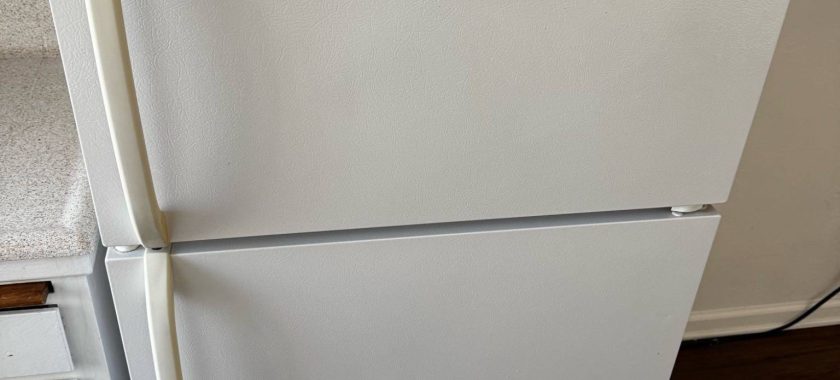
A refrigerator is one of the most essential appliances in any home, quietly working around the clock to keep your food fresh. But what happens when it seems to be functioning normally, yet your energy bills are steadily climbing? One common but often overlooked culprit is a fridge door that appears to close properly, but actually allows cold air to escape.
At first glance, a door that shuts may seem like everything is fine. However, even a minor issue with the door seal, hinge alignment, or gasket can create a gap that leaks cold air. This may seem insignificant, but over time, it can have serious consequences for both your food and your energy bill.
How Cold Air Escapes
The most common reason for cold air leakage is a damaged or worn-out door gasket — the rubber seal that lines the refrigerator door. Over time, gaskets can crack, warp, or become brittle, preventing a tight seal. Dirt, crumbs, or sticky residues can also interfere with proper closure, creating micro-gaps that allow cold air to escape unnoticed.
Another factor is misaligned or loose door hinges. If the fridge door doesn’t sit perfectly level, it may appear closed while still letting air slip out. Even slight misalignment can affect the magnetic seal, which is designed to hold the door firmly against the frame.
In some cases, heavy contents stored in the door bins can weigh it down, creating pressure that prevents a perfect seal. While these issues might not be obvious visually, they significantly affect the refrigerator’s efficiency.
The Hidden Consequences
Cold air leakage isn’t just an inconvenience—it’s expensive. When cold air escapes, the refrigerator works harder to maintain the set temperature. This constant cycling drives up energy consumption, leading to higher electricity bills. According to the U.S. Department of Energy, a refrigerator with a failing seal can use up to 30% more energy than one operating efficiently.
Additionally, fluctuating temperatures inside the fridge can spoil food faster. Sensitive items like dairy, meat, and fresh produce can degrade sooner, forcing you to replace food more frequently. In some cases, ice buildup can occur inside the freezer, creating more strain on the appliance and potentially leading to costly repairs.
Signs You Might Have a Leak
Identifying a cold air leak isn’t always straightforward, but several signs can alert you to the problem:
- Condensation or Frost Buildup: Excess moisture inside or around the fridge indicates warm air mixing with cold.
- High Energy Bills: A sudden spike without other changes may suggest your fridge is overworking.
- Uneven Temperatures: Some shelves or compartments feel colder than others, or items freeze unexpectedly.
- Door Gasket Issues: Visible cracks, brittleness, or dirt accumulation around the gasket.
- Difficulty Maintaining Temperature: Frequent cycling of the compressor or noisy operation.
If you notice any of these warning signs, it’s crucial to address the problem promptly. Delaying service not only increases your energy bills but also risks damage to your food and the refrigerator itself.
Preventive Measures and Maintenance
While some issues require professional repair, there are steps you can take to reduce the risk of cold air leaks:
- Clean the Gasket Regularly: Wipe the door seal with a mild soap solution to remove dirt and debris.
- Check Door Alignment: Ensure the door sits level and closes smoothly. Adjust hinges if necessary.
- Avoid Overloading Door Bins: Heavy items can cause doors to sag and seals to fail.
- Monitor Temperature: Keep your fridge at recommended settings (usually 37–40°F for the fridge and 0°F for the freezer).
- Conduct the Dollar-Bill Test: Place a dollar bill between the door and the fridge; if it slides out easily with the door closed, the seal isn’t tight enough.
While these preventive measures help, a professional inspection is the most reliable way to ensure your refrigerator maintains its efficiency.
Why Professional Service Matters
Attempting to fix a fridge yourself can sometimes make the problem worse. Professional appliance technicians have the tools and expertise to:
- Replace worn or damaged gaskets
- Realign doors and adjust hinges
- Diagnose hidden leaks or other underlying issues
- Ensure your appliance operates efficiently to save energy and prolong its life
By scheduling timely service, you prevent wasted energy, protect your food, and extend the lifespan of your refrigerator.
If your fridge seems fine on the surface but your energy bills tell a different story, don’t ignore the signs. Chula Vista Appliance Repair Company specializes in identifying and fixing silent refrigerator problems like cold air leaks. Their experienced technicians can quickly restore your appliance’s efficiency, saving you money and headaches.
Call Chula Vista Appliance Repair Company today to schedule a professional inspection and keep your refrigerator performing at its best.
Contact us
(619) 880-5508