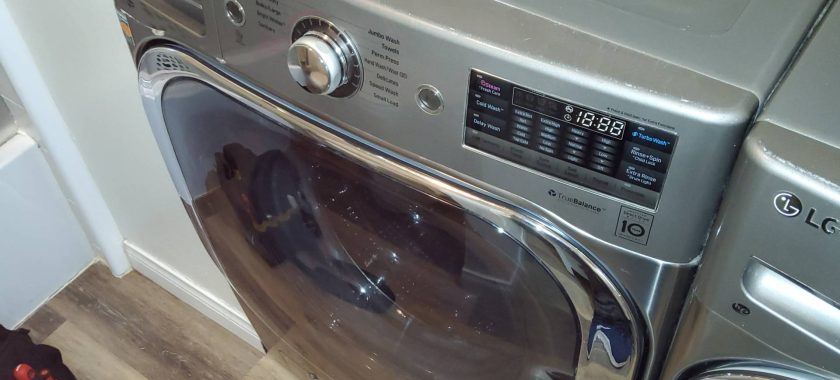
Modern washing machines are marvels of convenience, designed to handle various loads and fabric types with precision. Yet, even these sophisticated appliances can show subtle signs of aging long before complete failure occurs. One of the early indicators that a washing machine may need professional attention is a slow response to program changes. This seemingly minor issue is often overlooked but can signal deeper problems in the control system.
When your washer hesitates after selecting a program, or takes noticeably longer to transition between cycles, it is not simply a minor annoyance. This slowdown may point to control system fatigue—a condition where the electronic components or internal software that manage your washer’s functions are deteriorating. Over time, exposure to moisture, electrical surges, and constant use can strain these systems. The result is delayed responses, inconsistent cycle execution, or even partial failures that interfere with washing performance.
Why Control System Fatigue Happens
At the heart of every modern washing machine is a microprocessor that regulates the various functions of the appliance. This includes monitoring water levels, adjusting spin speeds, controlling temperature, and ensuring the correct cycle length. With frequent use, these electronic circuits can become stressed, solder joints may loosen, and software glitches can accumulate.
Other contributing factors include fluctuating power supply, hard water deposits, and worn-out sensors. Even dust or small lint particles inside the control panel can affect performance. When these issues begin to affect the control board, the washer may react slower to inputs, fail to recognize selected programs, or revert to default settings unexpectedly.
Signs You Shouldn’t Ignore
A delayed reaction when changing programs is just one symptom of control system fatigue. Other warning signs include:
- The washer takes longer than usual to start or complete a cycle.
- Display panels flicker or freeze intermittently.
- Programs restart automatically or skip essential steps.
- Unexpected error codes appear frequently.
Recognizing these early warning signs is crucial. Ignoring slow response times may lead to more severe problems, including full control board failure, damaged motors, or pump issues. Addressing the issue early can save you significant repair costs and extend the life of your appliance.
Immediate Actions You Can Take
Before a professional service visit, you can try basic troubleshooting steps to confirm whether control system fatigue is the culprit:
- Reset the Washer: Unplug the machine for a few minutes and plug it back in. This can clear minor software glitches and reset the control board.
- Check the Power Supply: Ensure that your washer receives consistent voltage. Unstable power can aggravate control system issues.
- Inspect for Moisture and Debris: Open the control panel carefully and check for visible water damage, lint, or dust accumulation. Avoid touching electronic components directly to prevent static damage.
If these steps do not improve response times, it is time to call a professional.
Professional Diagnosis and Repair
Repairing control system fatigue requires expertise. A certified technician can perform detailed diagnostics to pinpoint the root cause. In many cases, the technician may need to replace the control board or repair specific circuits. Attempting DIY repairs on electronic control systems can be risky and may void your appliance warranty.
Professional repair not only restores optimal performance but also ensures safety. Faulty control systems can pose risks of electrical shock, overheating, or water leaks. By addressing slow program responses promptly, you prevent further damage to other components such as the motor, water pump, or sensors.
Maintaining Your Washer’s Control System
To reduce the likelihood of control system fatigue, consider these maintenance tips:
- Avoid overloading the washer, as excessive strain can affect the electronics indirectly.
- Use high-quality detergent and soft water when possible to minimize residue buildup.
- Keep the control panel clean and dry.
- Schedule routine maintenance checks with a certified service provider to catch early issues before they escalate.
Slow response to program changes in your washing machine is more than just an inconvenience—it is an early signal that the control system may be fatigued. Addressing this issue promptly can prevent costly repairs, avoid unexpected breakdowns, and extend the lifespan of your appliance.
If your washer has begun reacting slower to program changes, professional service is essential. Contact Chula Vista Appliance Repair Company today to schedule a diagnostic visit. Experienced technicians can quickly assess your washer, recommend necessary repairs, and ensure it continues to operate efficiently for years to come. Don’t wait until a small delay turns into a full-blown malfunction—act now to protect your appliance investment.
Contact us
(619) 880-5508