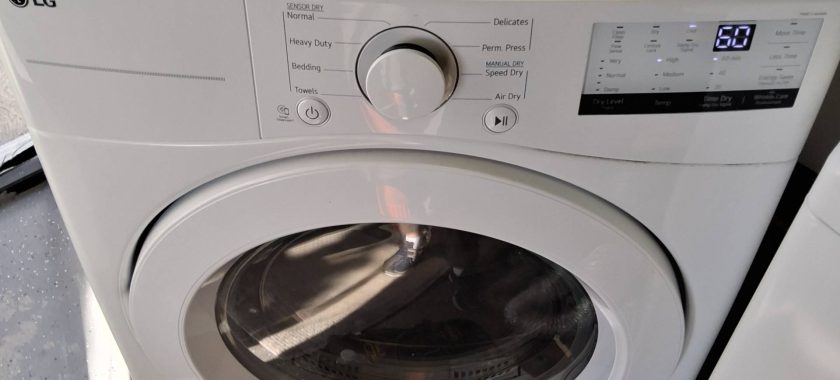
Many homeowners assume that once a washing machine has drained, the job is done. Clothes come out wet, the water is gone, and the cycle is complete. But what if, hours later, the drum still feels damp, almost clammy? This is more than just leftover moisture from the rinse cycle—it can signal underlying problems that affect your washer’s performance, hygiene, and lifespan.
Not Just Residual Water
It’s normal for some surface moisture to remain after a wash, especially in high-efficiency machines that spin at moderate speeds to prevent fabric damage. However, if the drum feels persistently wet hours after the cycle, this points to a potential drainage or ventilation issue. Water may have already left the main tub, but tiny amounts trapped in internal hoses, seals, or the pump housing can remain. Over time, this residual moisture can lead to mold growth, unpleasant odors, and even damage the internal components of your washer.
Clogged or Faulty Drain Pump
One common culprit is the drain pump. Even if water is visibly draining, a partially clogged or weakening pump can leave behind small pockets of water. Detergent residue, fabric fibers, and small debris often accumulate in the pump filter or hoses, restricting complete water flow. The result is a drum that feels damp long after the cycle ends. Ignoring this can strain the pump and eventually lead to full blockage or mechanical failure.
Blocked Drain Hoses
Drain hoses play a critical role in removing water efficiently. Kinks, sharp bends, or partial clogs from lint, soap scum, or mineral deposits can prevent complete drainage. Even a slight obstruction can leave residual water in the drum. Inspecting hoses regularly and ensuring they are properly aligned can prevent this buildup, but professional servicing is often required to remove stubborn blockages that aren’t accessible by hand.
Ventilation Problems
Washing machines rely on air circulation to dry the interior after each cycle. If your washer is installed in a tight space without sufficient airflow, or if the internal venting system is blocked, moisture can linger. This damp environment encourages mold and mildew, which not only creates odors but also can affect the efficiency of future washes. In some models, malfunctioning vent valves or inadequate spin speed can further exacerbate moisture retention.
Gasket and Seal Issues
Front-loading washers have door gaskets that are prone to trapping water. Over time, these rubber seals can develop small folds or wear spots where water pools and doesn’t evaporate. High-efficiency washers also use tub-to-pump seals that may degrade, allowing water to remain in areas not visible to the user. Persistent dampness in the drum is often the first sign that these seals need inspection or replacement.
Detergent and Rinse Residue
Using too much detergent, or detergent not designed for your machine type, can leave behind a slimy residue that retains water. High-efficiency washers are particularly sensitive to excess detergent. Even if the washer drains correctly, this residue keeps surfaces damp and contributes to odors and microbial growth. Switching to a proper detergent and occasionally running a maintenance cycle can reduce this problem, but underlying mechanical issues should still be checked.
Why Ignoring Dampness Is Risky
Even if clothes seem adequately washed, lingering moisture can lead to bigger problems:
- Mold and Mildew: Creates a musty smell and potential health issues.
- Damage to Machine Components: Residual water can corrode metal parts or wear down seals.
- Reduced Efficiency: A damp drum may indicate the washer isn’t operating at full capacity, leading to longer cycles or poor cleaning results.
Professional Diagnosis Is Key
Many homeowners try quick fixes—running an extra spin cycle or leaving the door open—but these are temporary solutions. Persistent dampness is often a sign of a deeper mechanical or ventilation problem. Professional inspection ensures that any partially clogged pumps, worn seals, or venting issues are correctly identified and fixed, preventing further damage.
Take Action Today
If your washer drum feels damp hours after draining, it’s not just a minor inconvenience—it’s a warning that your appliance may need servicing. Chula Vista Appliance Repair Company specializes in diagnosing and repairing washer drainage and moisture problems, ensuring your machine runs efficiently and stays hygienic. Don’t wait for a small issue to become a costly repair. Contact the experts today and restore your washer to full performance.
Contact us
(619) 880-5508