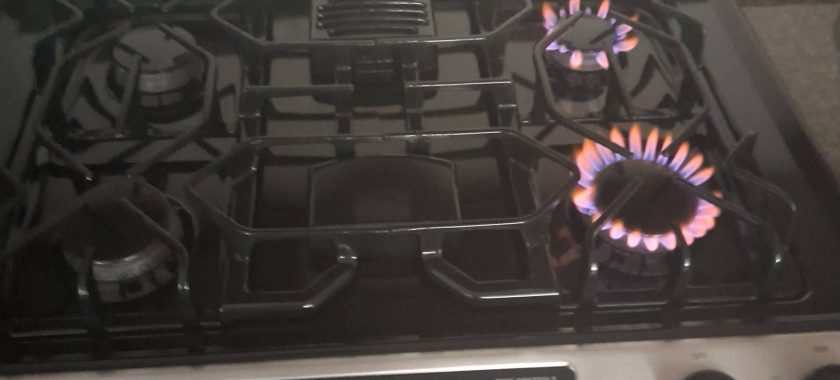
When cooking on a gas stove, most people judge performance by the appearance of the flame. If it burns blue, steady, and evenly around the burner, it seems safe to assume everything is working properly. However, many homeowners eventually notice a different kind of problem: the flame looks perfectly normal, yet cooking results become less predictable. Water may take longer to boil, food may cook unevenly, or the same recipe that once turned out perfectly now produces inconsistent results.
This situation can be confusing because there is no obvious malfunction. The burner ignites normally, the flame appears stable, and the stove seems to operate as expected. Yet something clearly feels different during cooking. In many cases, the issue is related to subtle changes in how heat is distributed from the burner to the cookware.
One of the most common causes is partial blockage in the burner ports. Over time, grease, food residue, and cleaning chemicals can accumulate around the tiny holes where gas exits the burner. Even if the flame ring still appears complete, some ports may release less gas than others. This creates uneven heat zones that are not immediately visible but can affect cooking performance. Certain areas of the pan may become hotter than others, leading to uneven browning or inconsistent cooking times.
Another possible factor is a slightly misaligned burner cap. Burner caps are designed to sit in a precise position so gas flows evenly through the burner ports. If the cap shifts during cleaning or after being removed, it may not sit perfectly flat. When this happens, gas distribution can change in subtle ways, altering how heat spreads under the pan. The flame might still look normal to the eye, but heat transfer becomes less balanced.
Changes in gas flow can also contribute to inconsistent cooking results. Gas stoves rely on regulated pressure to maintain stable heat output. If the regulator begins to wear out or the supply pressure fluctuates slightly, burners may deliver slightly different heat levels than before. These variations are often small enough that the flame appearance does not change dramatically, but the cooking performance does.
Cookware compatibility may also influence heat distribution. Over time, certain pans can warp slightly due to repeated heating and cooling cycles. A pan that no longer sits perfectly flat on the grate may not receive heat evenly from the burner. This can cause food to cook unevenly, even if the stove itself is functioning correctly. Many people assume the stove is the problem when, in fact, the cookware has gradually changed shape.
Another overlooked issue is the condition of the burner grate. The grate holds cookware above the flame at a specific distance that ensures proper heat transfer. If the grate becomes bent, loose, or worn over time, the pan may sit at a slightly different angle or height. Even small changes in distance from the flame can affect how heat spreads across the bottom of the pan.
Ventilation can also play a role. Kitchen airflow from range hoods, open windows, or strong ventilation fans can alter the way heat moves around cookware. While this usually has a minor effect, in combination with other small factors it may contribute to noticeable changes in cooking consistency.
Internal wear inside the burner assembly is another possibility. Gas burners contain components that direct gas flow and mix it with air for efficient combustion. Over time, these components may accumulate residue or experience gradual wear. Even when the flame remains blue and stable, the internal balance between gas and air may shift slightly, influencing how evenly heat is delivered.
It is important not to ignore these subtle changes. While inconsistent cooking results may seem like a minor inconvenience, they can sometimes signal early-stage appliance issues. Addressing the problem early can prevent more significant burner or gas system failures later.
Regular cleaning is one of the simplest ways to maintain proper burner performance. Carefully removing burner caps, wiping away residue, and ensuring all components are positioned correctly can restore normal heat distribution in many cases. However, if the issue persists despite cleaning and proper assembly, a professional inspection is recommended.
Experienced technicians can evaluate gas pressure, inspect burner components, check regulator performance, and ensure all parts of the stove are functioning correctly. Professional servicing not only restores consistent cooking results but also ensures the appliance continues operating safely.
If your stove’s flame looks normal but your cooking results have become unpredictable, it may be time for a professional checkup. The technicians at Chula Vista Appliance Repair Company specialize in diagnosing subtle appliance performance issues and restoring proper operation.
Do not wait for a minor inconsistency to turn into a larger problem. Contact Chula Vista Appliance Repair Company today to schedule a professional inspection and keep your kitchen appliances performing at their best.
Contact us
(619) 880-5508