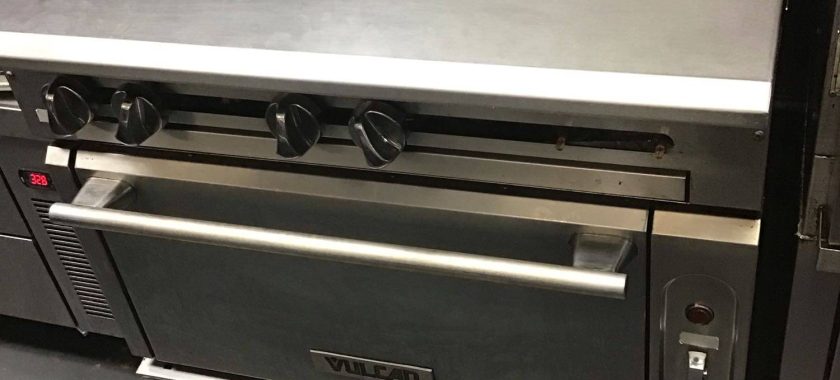
A gas stove that fails to ignite after cleaning is a common yet frustrating problem for many homeowners. While thorough maintenance is essential for the longevity and safety of your appliance, certain components are sensitive and can be affected during routine cleaning. Understanding the potential causes can help you identify whether the issue is something simple you can address at home or if professional assistance is needed.
- Misaligned Burner Components
During cleaning, burners, caps, and heads are often removed to access clogged ports or accumulated grease. If these components are not repositioned correctly, gas flow may be obstructed, preventing ignition. The burner cap must sit evenly over the burner base to allow a consistent spark and flame. Even a slight tilt can cause the gas to escape unevenly, triggering a safety mechanism that inhibits ignition.
- Blocked Burner Ports
Burner ports, the small openings where gas exits to ignite, are particularly susceptible to debris and cleaning residues. Using sharp objects to clear grease or clogs can inadvertently push material deeper into the port, reducing gas flow. Similarly, if water, soap, or cleaning agents remain in the burner, it can temporarily block the ports. In some cases, drying the components thoroughly and gently clearing ports with a soft brush restores functionality.
- Wet or Misaligned Igniter
The igniter is the component that produces the spark to light the gas. Cleaning can introduce moisture or dislodge the igniter. If it is wet, the spark may fail to jump across the gap, and if the alignment shifts, the spark may not reach the gas flow at all. Even small amounts of residual moisture can prevent ignition until the component dries completely. Carefully inspecting the igniter and ensuring it is dry and properly positioned is crucial.
- Damaged Electrical Connections
Many modern gas stoves rely on electronic ignition systems. During cleaning, electrical connections to the igniter or control module can be loosened or partially disconnected. Loose wires, burnt connectors, or water intrusion into the ignition circuitry can prevent the system from generating sparks. A visual inspection can sometimes identify disconnections, but testing voltage or continuity is best handled by a qualified technician to avoid electric hazards.
- Safety Mechanism Activation
Some stoves feature flame failure devices or thermocouples designed to cut off gas if a flame is not detected. Cleaning can temporarily trigger these safety systems, especially if the sensor is wet or misaligned. The result is a stove that will not ignite even if gas is flowing. Resetting the system may involve drying or repositioning the sensor and following the manufacturer’s specific reset procedure.
- Residual Cleaning Agents
Harsh chemicals or detergent residues left on burners can interfere with ignition. Certain chemicals can form films that reduce conductivity or react with the metal surfaces, affecting spark generation. After cleaning, it is critical to rinse all parts thoroughly and allow them to dry completely before attempting to ignite the burner.
- Improper Reassembly
Many ignition failures after cleaning are due to improper reassembly. Burners, caps, drip pans, or ignition modules must return to their correct positions. Even a small misalignment can disrupt the airflow or prevent the spark from reaching the gas. Taking photos before disassembly or following step-by-step manufacturer instructions reduces the risk of errors during reassembly.
What to Do if Your Burner Won’t Ignite
- Check for obvious misalignment: Ensure burner caps, heads, and igniters are seated correctly.
- Dry components thoroughly: Moisture can temporarily inhibit sparks. Allow parts to air dry completely.
- Clean ports carefully: Use a soft brush rather than sharp tools to avoid pushing debris deeper.
- Inspect electrical connections: Look for loose wires or wet contacts. Only a qualified technician should handle internal wiring issues.
- Test flame failure devices: If your stove has a safety mechanism, ensure sensors are properly aligned and dry.
If these steps do not restore ignition, it is likely the issue involves internal components or electrical circuits that require professional expertise. Attempting complex repairs without the proper knowledge can be dangerous and may void the appliance warranty.
Professional Assistance
For persistent ignition problems after cleaning, contacting a certified service provider is the safest solution. The technicians at Chula Vista Appliance Repair Company specialize in diagnosing and repairing gas stoves. They can accurately identify whether the issue is mechanical, electrical, or safety-related and ensure your stove operates reliably and safely.
Routine cleaning is essential, but even careful maintenance can unintentionally affect delicate components. When a burner fails to ignite, addressing the problem promptly with professional guidance prevents further damage and ensures your kitchen remains safe and functional.
Schedule a service with Chula Vista Appliance Repair Company today and restore your gas stove to full operation.
Contact us
(619) 880-5508