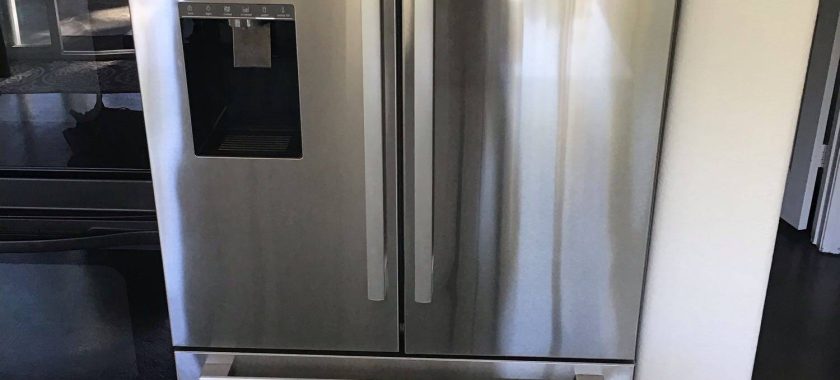
A refrigerator normally produces a soft background hum that comes and goes as it cycles through cooling phases. When that sound becomes constant and noticeably persistent, it usually signals that one of the core components is working under strain or failing to regulate temperature correctly. Ignoring this change can lead to higher energy consumption, unstable cooling, and eventually food spoilage.
Understanding what causes this sound helps narrow down whether the issue is mechanical, airflow-related, or electrical.
How a refrigerator normally operates
Modern refrigerators alternate between active cooling and rest cycles. During cooling, the compressor runs and you may hear a low hum or vibration. Once the internal temperature stabilizes, the compressor shuts off and the noise disappears.
If the humming continues without interruption, it means the system is failing to reach the desired temperature or a component that should cycle on and off is stuck in continuous operation.
Compressor running continuously
The compressor is the core of the cooling system. It pressurizes refrigerant and pushes it through coils to remove heat from inside the appliance. When it begins to wear out or loses efficiency, it may run longer than usual.
Common reasons include:
- Internal mechanical wear reducing compression efficiency
- Electrical relay issues causing irregular control signals
- Refrigerant imbalance forcing longer operation cycles
- Overheating due to dust buildup around condenser coils
A compressor that runs nonstop often leads to increased cabinet warmth in certain sections of the fridge or freezer. In some cases, the appliance may still cool, but unevenly.
Evaporator fan problems
Inside the refrigerator compartment, the evaporator fan circulates cold air. If this fan becomes obstructed or starts failing, airflow weakens. The system compensates by keeping the compressor active longer, which creates a continuous hum.
Typical causes include:
- Ice buildup around fan blades
- Worn motor bearings producing constant vibration
- Obstructions from stored food items
- Electrical failure in the fan motor circuit
A failing fan often creates a slightly different sound pattern compared to the compressor. Instead of a deep hum, it may sound like a repetitive buzzing or uneven airflow noise.
Condenser fan issues
Located near the compressor at the back or bottom of the unit, the condenser fan removes heat from the refrigeration system. When this fan is blocked or malfunctioning, heat accumulates, forcing the compressor to run longer.
Problems often involve:
- Dust and lint clogging airflow paths
- Bent or damaged fan blades
- Motor failure leading to reduced speed or continuous strain
A condenser fan that cannot operate properly puts indirect pressure on the compressor, which increases noise and energy usage.
Dirty condenser coils
Condenser coils release heat from the refrigerant. When covered in dust or debris, heat exchange becomes inefficient. The compressor compensates by running continuously.
This is one of the most common and overlooked causes of constant humming. In many cases, cleaning the coils restores normal operation without replacing parts.
Temperature control system faults
The thermostat or electronic temperature sensor tells the refrigerator when to stop cooling. If this system fails, it may incorrectly signal that the internal temperature is too high.
Possible issues include:
- Faulty thermostat relay
- Sensor misreading due to moisture or wiring damage
- Control board errors disrupting normal cycles
When this happens, the compressor stays active longer than necessary, producing a steady background hum.
Door seal leaks
A worn or loose door gasket allows warm air to enter continuously. The refrigerator reacts by running the compressor more often and for longer periods.
Signs of seal issues include:
- Visible gaps in the rubber lining
- Condensation around door edges
- Noticeable temperature fluctuation inside the compartment
Even small leaks can force the system into near-continuous operation.
When the noise becomes a warning sign
A steady humming sound alone does not always indicate immediate failure. However, when combined with other symptoms, it suggests a deeper issue:
- Noticeable increase in energy consumption
- Uneven cooling between shelves
- Frost buildup in the freezer
- Warm spots inside the refrigerator compartment
- Frequent cycling without full shutdown
These patterns usually point to a system under strain rather than normal operation.
Why professional diagnosis matters
Refrigeration systems rely on precise pressure levels, electrical timing, and airflow balance. Multiple components can produce similar symptoms, which makes accurate diagnosis difficult without proper tools.
A technician can:
- Test compressor performance under load
- Check refrigerant pressure levels
- Inspect fan motors and airflow paths
- Evaluate thermostat and sensor accuracy
- Identify hidden electrical faults in control boards
Addressing the root cause early prevents further damage to the compressor, which is one of the most expensive components to replace.
A refrigerator that produces a constant low humming sound is signaling that it is working harder than it should. Whether the cause is airflow restriction, compressor strain, or sensor malfunction, the system is no longer operating at its designed efficiency.
For accurate diagnosis and repair, contact Chula Vista Appliance Repair Company. Early service helps restore stable cooling performance and prevents more costly breakdowns later.
Contact us
(619) 880-5508