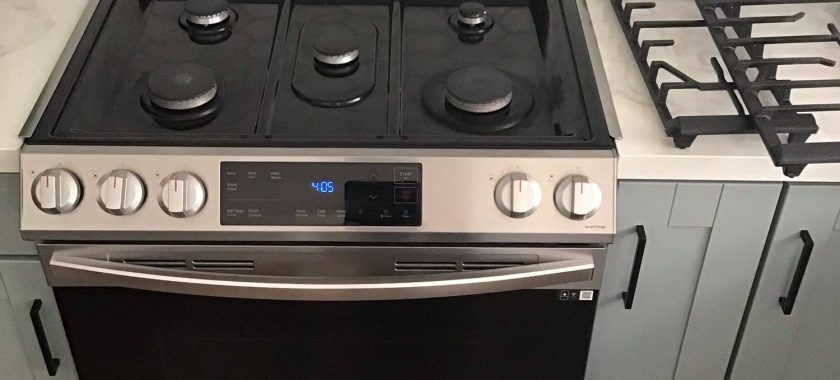
A gas stove is typically the hallmark of precision and speed in the kitchen. Unlike electric coils that require time to warm up, gas should provide an immediate, consistent flame. However, when you notice that the blue ring of fire looks sluggish, or your teakettle takes twice as long to whistle, you are likely dealing with a drop in gas efficiency.
Reduced efficiency isn’t just a minor inconvenience; it can lead to higher utility bills, unevenly cooked food, and potential safety hazards. Understanding the mechanical and environmental factors behind this slowdown is the first step in restoring your kitchen’s performance.
1. Clogged Burner Ports
The most frequent culprit behind a slow gas stove is simply a buildup of cooking debris. As you cook, grease spatters, boiled-over pasta water, and crumbs find their way into the tiny holes (ports) of the burner head.
When these ports are partially obstructed, the flow of gas is restricted. This often results in an uneven flame or a flame that appears “lazy” and yellow rather than crisp and blue. A yellow flame indicates incomplete combustion, which produces less heat and more carbon monoxide. Regular cleaning with a stiff toothbrush or a paperclip can often resolve this, but deep-seated carbon buildup may require professional disassembly.
2. Issues with the Air Shutter
For gas to burn efficiently, it must be mixed with the correct amount of oxygen. This happens at the air shutter. If the shutter is out of adjustment or blocked by dust and lint, the gas-to-air ratio becomes unbalanced.
- Too little air: The flame becomes yellow, sooty, and significantly cooler.
- Too much air: The flame may lift off the burner or make a roaring noise, failing to transfer heat effectively to your cookware.
Adjusting an air shutter is a delicate process that involves loosening a small screw and sliding the shutter until the flame stabilizes into a bright blue cone.
3. Faulty Gas Pressure Regulator
Your stove relies on a steady, specific pressure of gas delivered by the regulator. If this component begins to fail, it may not allow enough gas to reach the burners, even when turned to the highest setting.
Pressure issues can also stem from the external gas line. If you notice that other gas appliances in your home—such as the water heater or furnace—are also underperforming, the issue likely lies with the main regulator or a leak in the supply line. Because gas pressure involves high-risk components, this should always be diagnosed by a licensed technician.
4. Worn Igniters and Spark Modules
While the igniter’s primary job is to start the flame, a failing spark module or a weakened hot-surface igniter can sometimes lead to delayed ignition. When gas is allowed to pool before it finally catches, it creates a “mini-explosion” effect that can shift burner components out of alignment over time, leading to recurring efficiency problems. If you hear clicking for several seconds before the flame appears, your ignition system is likely drawing too much power or losing continuity.
5. Incorrect Orifice Size
If you have recently moved or purchased a second-hand stove, it is possible the stove is not calibrated for your specific gas type. Natural gas and Liquid Propane (LP) require different sized orifices because they operate at different pressures. Using a natural gas orifice for propane will result in a dangerously high flame, while using a propane orifice for natural gas will result in a tiny, weak flame that barely generates enough heat to simmer water.
6. Environmental Factors and Cookware
Sometimes the “efficiency” issue isn’t the stove at all, but how the heat is being transferred. Using warped cookware prevents the flame from making even contact with the base of the pan. Similarly, high-velocity kitchen exhaust fans or drafts from open windows can pull the heat away from the burner before it reaches the pot.
Professional Solutions for Kitchen Efficiency
A gas stove is a complex marriage of plumbing and electrical components. While cleaning the surface is a great DIY task, internal gas adjustments require specialized tools and diagnostic expertise. If your burners are underperforming, don’t settle for lukewarm meals or inflated energy costs.
Ensure your appliance is operating at peak performance and safety. Contact Chula Vista Appliance Repair Company today to schedule a comprehensive diagnostic and maintenance visit. Our expert technicians will calibrate your gas flow and clear any internal obstructions to get your kitchen back up to speed.
Contact us
(619) 880-5508