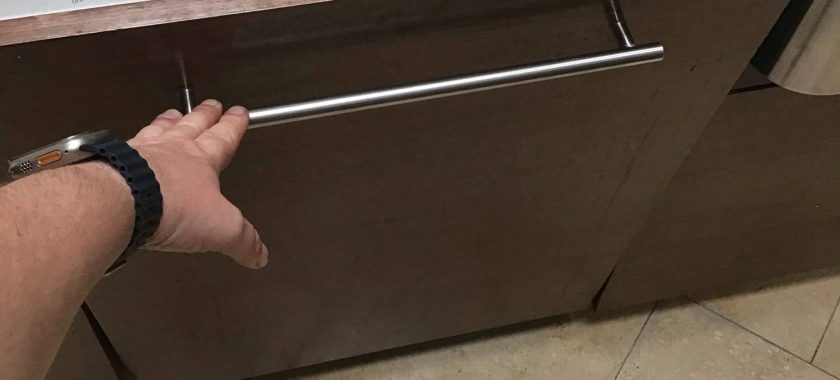
Opening your dishwasher to find a clean-ish load but a dispenser still filled with a gummy, half-dissolved clump of detergent is a common frustration. It feels like a waste of soap and a potential hygiene risk. While it is tempting to blame the detergent brand, the culprit is often mechanical. Specifically, issues with water flow and cycle timing are the primary reasons why detergent fails to leave the dispenser and dissolve properly.
The Science of the Dispenser Cycle
To troubleshoot effectively, you must first understand how a dishwasher is designed to work. During a standard cycle, the machine first performs a pre-wash to rinse off loose debris. Only after this initial phase does the control board trigger the detergent dispenser. A small wax motor or a solenoid releases the latch, allowing the dispenser door to spring open.
Once open, the detergent relies entirely on the physical force of water sprayed from the arms to wash it out into the tub. If the water doesn’t hit the dispenser at the right time, or with enough pressure, the detergent stays put.
Water Flow: The Primary Obstacle
If your dishwasher leaves residue behind, the first thing to investigate is whether water is actually reaching the detergent.
- Blocked Spray Arms
The spray arms are the heart of the water distribution system. Over time, the tiny nozzles on these arms can become clogged with mineral deposits (limescale), seeds, or small bits of plastic. If the holes responsible for spraying toward the dispenser door are blocked, the detergent will never be fully saturated.
- Improper Loading
The most common “user error” is blocking the dispenser door with a large plate or a tall baking sheet placed in the lower rack. If the door cannot flip open fully, the water spray cannot reach the soap. Even if the door manages to open slightly, a large item placed directly in front of it acts as a shield, deflecting the water away from the dispenser.
- Low Water Pressure or Volume
If the water inlet valve is partially restricted or failing, the dishwasher may not fill with enough water. Without the proper volume of water, the pump cannot generate the pressure needed to shoot a strong stream from the spray arms. You might hear the dishwasher running, but the internal “rainstorm” isn’t powerful enough to clear the dispenser cup.
Timing and Temperature: The Hidden Culprits
Even with perfect water flow, detergent requires specific conditions to dissolve. This is where timing and heat come into play.
- Cold Water Entry
Most detergents, especially modern “pods” or tablets, are designed to dissolve at temperatures above 120°F. If your home’s water heater is set too low, or if the dishwasher’s internal heating element is malfunctioning, the water hitting the detergent will be too cold to break down the chemical bonds of the soap. This results in a hard, soapy “rock” left in the dispenser.
- Electronic Control Failures
The dishwasher operates on a precise timeline. If the control board is glitching, it may signal the dispenser to open too late in the cycle—perhaps during the final rinse instead of the main wash. By then, the water temperature may have dropped, or the duration of the spray isn’t long enough to facilitate a full dissolve.
- The Moisture Trap
Timing matters even before you press “Start.” If you put detergent into a wet dispenser and then wait several hours to run the cycle, the soap will begin to stick to the plastic. By the time the cycle starts, the detergent has effectively “glued” itself to the compartment, making it much harder for the water flow to dislodge it.
Diagnostic Steps for Homeowners
Before calling for a repair, you can perform a few simple checks:
- Clear the Path: Ensure no tall items are in the left-front area of the lower rack.
- Dry the Cup: Always wipe the dispenser dry with a cloth before adding detergent.
- Check the Arms: Spin the spray arms by hand to ensure they move freely and poke a toothpick into the nozzles to clear any debris.
- Temperature Test: Run the kitchen sink faucet until the water is hot before starting the dishwasher to ensure the machine starts with hot water immediately.
Professional Solutions
When DIY checks don’t solve the problem, the issue likely lies deep within the machine’s mechanics. A failing wash pump, a broken dispenser actuator, or a faulty heating element requires professional diagnostic tools and genuine replacement parts. Ignoring these signs can lead to poor sanitation and, eventually, a complete machine breakdown.
If your dishwasher is leaving you with more mess than it cleans, it is time to bring in the experts.
Don’t let a faulty dishwasher disrupt your household routine. At Chula Vista Appliance Repair Company, we specialize in diagnosing and fixing water flow issues, dispenser malfunctions, and heating problems for all major brands. Our licensed technicians provide fast, reliable service to get your kitchen back in peak condition.
Call Chula Vista Appliance Repair Company today to schedule your service appointment and ensure your dishes come out sparkling every time.
Contact us
(619) 880-5508