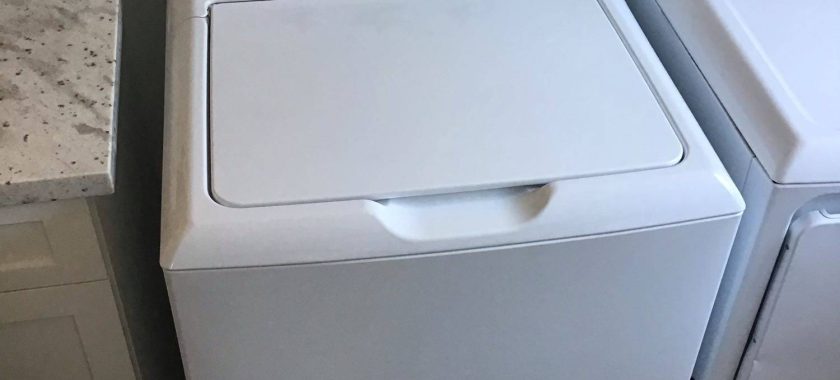
A washing machine that uses too little water during large loads can leave clothes partially dry, poorly rinsed, or still dirty after the cycle ends. Many homeowners first notice the issue when bulky items like towels, bedding, or jeans come out with detergent residue or unevenly washed areas. While modern washers are designed to reduce water consumption, the machine should still add enough water to clean the selected load properly. If it consistently underfills, the problem may be connected to the system responsible for detecting and regulating water levels.
Several components work together to determine how much water enters the drum. When one of them malfunctions, the washer may misread the load size or stop filling too early.
How Water Level Detection Works
Most modern washing machines no longer rely on simple timers to control water levels. Instead, they use sensors and control boards to estimate the load size and adjust water intake automatically. Depending on the washer model, this process may involve:
- Pressure switches
- Water level sensors
- Air dome tubes
- Load-sensing technology
- Electronic control boards
- Inlet valve systems
When these components communicate correctly, the washer adds the appropriate amount of water for the selected cycle and fabric type. If one part sends inaccurate information, the machine may assume the drum is already full and stop filling prematurely.
Faulty Pressure Switch
One of the most common causes of low water levels is a defective pressure switch. This component monitors the amount of water inside the tub by detecting air pressure changes through a connected tube.
If the pressure switch becomes clogged, damaged, or worn out, it may incorrectly signal that the washer has already reached the required water level. As a result, the fill cycle stops before enough water enters the drum.
Signs of a failing pressure switch may include:
- Clothes remaining partly dry
- Washer stopping early during fill
- Inconsistent water levels between cycles
- Error codes related to water supply or sensing
Because the pressure switch directly affects water regulation, inaccurate readings can impact overall washing performance.
Blocked or Damaged Air Pressure Tube
The pressure switch depends on a small air tube connected to the outer tub. This tube transfers pressure information as the water level rises.
Over time, detergent residue, lint, or mineral buildup can partially block the tube. In some cases, the tube may crack or disconnect entirely. When this happens, the pressure readings become unreliable.
A blocked tube may cause the washer to:
- Stop filling too soon
- Overfill occasionally
- Display sensor-related errors
- Run cycles inconsistently
Even a minor blockage can interfere with the washer’s ability to calculate water levels accurately.
Water Inlet Valve Restrictions
The inlet valve controls how much water enters the machine from the household supply. If the valve becomes clogged with sediment or hard water deposits, water flow may slow significantly.
During large loads, restricted flow can create the impression that the washer is filling normally when it actually isn’t reaching the required volume fast enough. Some machines may terminate the fill cycle early if the expected water level is not achieved within a certain timeframe.
Possible inlet valve issues include:
- Mineral buildup
- Internal valve wear
- Electrical failure
- Low water pressure reaching the valve
Cleaning inlet screens sometimes improves performance, but damaged valves typically require replacement.
Load Sensor Problems
High-efficiency washers often use load sensors to estimate the weight and distribution of laundry before adding water. These systems help conserve water, but they can malfunction over time.
If the sensor misjudges the load size, the machine may treat a large load as a medium or small one. This results in insufficient water throughout the wash cycle.
Common symptoms include:
- Large loads washing poorly
- Detergent residue on fabrics
- Drum appearing underfilled
- Washer repeatedly using minimal water regardless of cycle selection
Sensor calibration issues may sometimes be corrected through diagnostic mode resets, while other situations require professional service.
Control Board Malfunctions
The electronic control board acts as the washer’s central management system. It processes signals from sensors, activates valves, and determines cycle timing.
When the control board develops faults, it may misinterpret water level data or fail to keep the inlet valve open long enough. Electrical problems can appear intermittently, making diagnosis difficult without specialized testing equipment.
Control board problems may also cause:
- Random cycle interruptions
- Incorrect cycle lengths
- Inconsistent filling behavior
- Error messages appearing unpredictably
Because multiple components depend on the control board, replacing parts without proper testing can lead to unnecessary repair costs.
Low Household Water Pressure
Sometimes the washer itself is not the main problem. Low water pressure from the home plumbing system can reduce the amount of water entering the machine.
This may happen because of:
- Partially closed supply valves
- Kinked hoses
- Sediment buildup in plumbing lines
- Shared water usage in the house
Large loads require a greater volume of water, so low pressure often becomes more noticeable during these cycles. Checking hose connections and ensuring supply valves are fully open may help identify simple external causes.
Incorrect Cycle or Eco Settings
Many newer washers prioritize energy efficiency and use lower water levels by default. Certain eco cycles intentionally minimize water usage, especially during lightly soiled loads.
However, if the machine consistently underfills even on deep-fill or bulky-item settings, there may be a sensor or calibration issue involved.
Users sometimes mistake normal high-efficiency operation for malfunction, but there is a difference between reduced water usage and inadequate washing performance. Clothes should still move freely and rinse properly during the cycle.
Why Prompt Repairs Matter
Ignoring low water level problems can lead to more than poor cleaning results. When clothes are not properly saturated:
- Detergent may remain trapped in fabrics
- Mechanical strain on the motor can increase
- Cycles may become longer
- Internal components may wear faster
- Moisture imbalance can affect spinning performance
Over time, the washer may develop additional mechanical or electrical problems if the underlying issue is not addressed.
Professional diagnosis helps identify whether the problem involves sensors, valves, electronic controls, or plumbing conditions. Because modern washers rely heavily on integrated electronics, accurate testing is essential before replacing parts.
If your washing machine is not filling with enough water for large loads, professional service can restore proper performance and prevent further damage. Contact Chula Vista Appliance Repair Company to schedule a full washer inspection and reliable repair service.
Contact us
(619) 880-5508