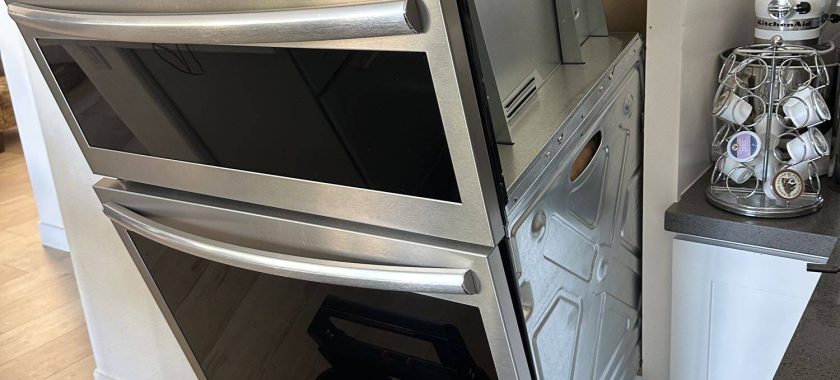
When an oven shows that it has reached the set temperature but food still takes too long to cook, the problem usually sits deeper than a simple setting error. On the surface everything looks normal: the display confirms the right heat level, the preheat cycle finishes, and the indicator light turns off. Yet inside the oven cavity, heat is either uneven, unstable, or weaker than expected.
This kind of issue is common in both older and relatively new ovens, especially when internal components start losing accuracy or airflow gets disrupted.
Temperature sensor giving false readings
One of the most frequent causes is a malfunctioning temperature sensor. This small probe is responsible for measuring internal heat and communicating with the control board. If it becomes miscalibrated or partially damaged, it may signal that the oven is hot enough even when it isn’t.
In practice, this leads to shorter heating cycles. The oven stops actively heating too early, creating a gap between displayed temperature and real cooking conditions. Food then requires significantly more time to bake or roast, often resulting in uneven textures or undercooked centers.
A faulty sensor does not always fail completely. In many cases, it drifts gradually over time, making the issue harder to notice at first.
Heat distribution problems inside the oven cavity
Even when the temperature is correct, poor heat circulation can slow down cooking. Ovens rely on steady airflow to spread heat evenly. If that airflow is blocked or inconsistent, some areas stay cooler than others.
Common causes include:
- A failing convection fan that no longer pushes hot air effectively
- Grease or debris buildup restricting airflow
- Damaged fan blades or motor wear
- Improper rack placement affecting circulation patterns
When heat distribution is uneven, the oven may technically reach the set temperature, but the food only cooks properly in limited zones. This often results in longer cooking times and inconsistent results across trays.
Heating elements that work partially
Another overlooked issue is partial failure of heating elements. In electric ovens, both bake and broil elements contribute to maintaining temperature stability. If one of them weakens, the oven can still report correct temperature readings while producing less effective heat.
A weakened element may glow but not reach full output. This creates a situation where the thermostat believes everything is functioning normally, while actual heat energy inside the oven is reduced.
Door seal and heat loss
A worn or slightly damaged door gasket can also affect performance. Even a small gap allows heat to escape continuously. The oven compensates by cycling more often, but the internal temperature remains less stable.
This doesn’t always show up as an obvious defect. The oven still “feels” hot when opened, but cooking performance drops noticeably, especially for baked goods that depend on steady heat.
Control board and calibration drift
Modern ovens rely on electronic control boards to manage temperature cycles. Over time, these systems can lose calibration or develop minor faults that affect timing and heating logic.
When this happens, the oven may heat in short bursts that are not aligned with real thermal needs. The result is a confusing mix of correct readings and poor cooking performance.
Why this problem shouldn’t be ignored
An oven that heats incorrectly doesn’t just slow down cooking. It also affects food safety and energy consumption. Longer cooking times increase electricity or gas usage, while uneven heating can leave some foods undercooked inside.
Ignoring the issue often leads to additional wear on heating components, turning a minor repair into a more expensive replacement later.
Professional diagnosis matters
While cleaning the oven or checking racks can help in simple cases, most causes behind this issue require technical testing. Measuring sensor resistance, inspecting heating elements, and checking airflow systems require proper tools and experience.
A technician can quickly determine whether the issue comes from calibration drift, airflow restriction, or electrical failure. This prevents unnecessary part replacement and restores stable performance faster.
For homeowners in the area, scheduling a professional inspection with Chula Vista Appliance Repair Company helps identify the root cause and restore consistent cooking performance without guesswork.
Contact us
(619) 880-5508