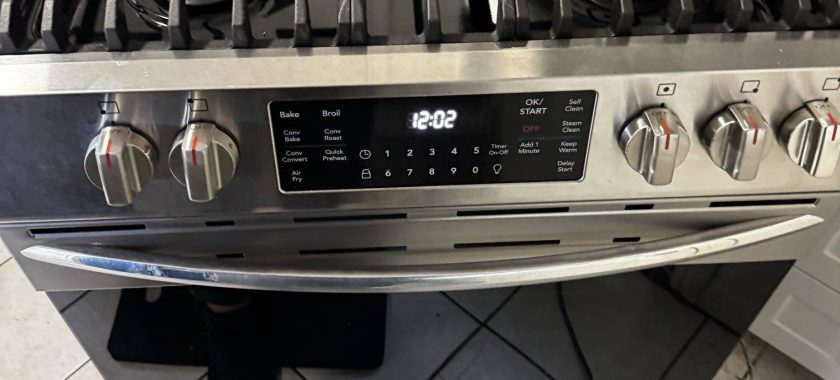
A gas stove is valued for its ability to provide instant heat and precise temperature control. When a burner ignites without any problem but takes noticeably longer to heat pots and pans, many homeowners assume the appliance is functioning normally. However, delayed heating often indicates an underlying issue affecting burner efficiency or gas flow.
While the flame may appear present and stable, reduced heat transfer can increase cooking times, waste energy, and lead to inconsistent cooking results. Understanding the most common causes can help determine whether simple maintenance or professional repair is needed.
How a Gas Burner Heats Cookware
Gas burners operate by mixing fuel with air and igniting the mixture through a spark or pilot system. The flame should burn evenly around the burner ports and provide sufficient heat to the cookware placed above it.
Efficient heating depends on several factors:
- Proper gas pressure
- Clean burner ports
- Correct air-to-gas mixture
- Functional gas valves
- Proper burner alignment
- Suitable cookware
If any of these elements are compromised, the burner may light successfully but fail to deliver its full heating capacity.
Clogged Burner Ports
One of the most common causes of slow heating is partially blocked burner ports.
Food spills, grease, cleaning residue, and debris can accumulate in the small openings where flames emerge. Even if the burner lights, blocked ports reduce flame size and create uneven heat distribution.
Common signs include:
- Uneven flames around the burner
- Smaller-than-normal flames
- Hot spots on cookware
- Longer cooking times
Cleaning the burner cap and ports often restores proper performance. However, stubborn buildup may require professional servicing.
Restricted Gas Flow
A burner needs a consistent supply of gas to generate adequate heat. If gas flow becomes restricted, the flame may still ignite but produce less energy.
Possible causes include:
- Partially clogged gas lines
- Faulty gas regulators
- Obstructed burner orifices
- Malfunctioning gas valves
In these situations, the burner may appear operational while delivering significantly less heat than designed.
A technician can measure gas pressure and inspect components to identify the exact source of the restriction.
Burner Cap Misalignment
Many modern gas stoves use removable burner caps that sit above the burner assembly. If a cap becomes misaligned after cleaning or daily use, the flame pattern can be disrupted.
A misplaced cap may cause:
- Uneven flames
- Reduced heating efficiency
- Delayed boiling times
- Inconsistent cooking temperatures
Fortunately, this issue is often easy to correct by removing and properly reseating the burner cap according to the manufacturer’s specifications.
Improper Air-to-Gas Mixture
Efficient combustion requires the right balance between air and gas. Too much or too little air can reduce flame effectiveness.
Signs of an improper mixture may include:
- Yellow or orange flames
- Weak blue flames
- Soot formation on cookware
- Reduced heating performance
The air shutter and burner assembly may require adjustment or cleaning to restore efficient combustion.
Worn or Faulty Gas Valves
Gas control valves regulate fuel delivery to each burner. Over time, internal wear can affect valve performance.
When a valve begins to fail, it may:
- Restrict gas flow
- Deliver inconsistent flame levels
- Cause delayed heating
- Reduce burner output
Because gas valves involve fuel-system components, diagnosis and replacement should be performed by a qualified appliance technician.
Dirty Burner Orifice
The burner orifice is a small opening that controls how much gas enters the burner.
Even minor contamination can reduce gas flow enough to affect heating performance without preventing ignition.
A dirty orifice may cause:
- Small flames
- Slow cooking
- Uneven heat output
- Increased energy usage
Professional cleaning is often necessary because the opening is extremely small and can be damaged by improper tools.
Cookware-Related Factors
Not every slow-heating issue originates from the stove itself.
Cookware can significantly affect heating efficiency.
Factors include:
- Warped pan bottoms
- Excessively thick cookware
- Poor heat-conducting materials
- Incorrect pan size for the burner
A burner may perform normally while heat transfer suffers due to the cookware being used.
Testing multiple pots and pans can help determine whether the issue is appliance-related or cookware-related.
Low Household Gas Pressure
In some cases, the problem extends beyond the stove.
Low gas pressure throughout the home can affect multiple gas appliances, including:
- Furnaces
- Water heaters
- Dryers
- Gas cooktops
If several gas appliances show performance issues simultaneously, professional inspection of the home’s gas supply system may be required.
When Professional Service Is Recommended
While cleaning burner components can solve some heating problems, gas appliances should be approached carefully. Issues involving regulators, valves, gas lines, or combustion adjustments require specialized tools and expertise.
Professional service is recommended if:
- Burners remain slow after cleaning
- Flames appear unusually small
- Flame color changes significantly
- Multiple burners are affected
- Gas odors are present
- Cooking times continue increasing
Prompt diagnosis can prevent additional wear and restore safe, efficient operation.
A gas stove burner that ignites normally but takes longer to heat cookware is often signaling reduced burner efficiency or restricted gas flow. Common causes include clogged burner ports, dirty orifices, misaligned burner caps, faulty valves, improper combustion, or household gas supply issues.
Addressing these problems early helps maintain cooking performance, reduce energy waste, and prevent more costly repairs in the future.
If your gas stove is heating slowly despite normal ignition, contact Chula Vista Appliance Repair Company. Their experienced technicians can accurately diagnose burner performance issues, restore proper heat output, and keep your kitchen appliances operating safely and efficiently.
Contact us
(619) 880-5508