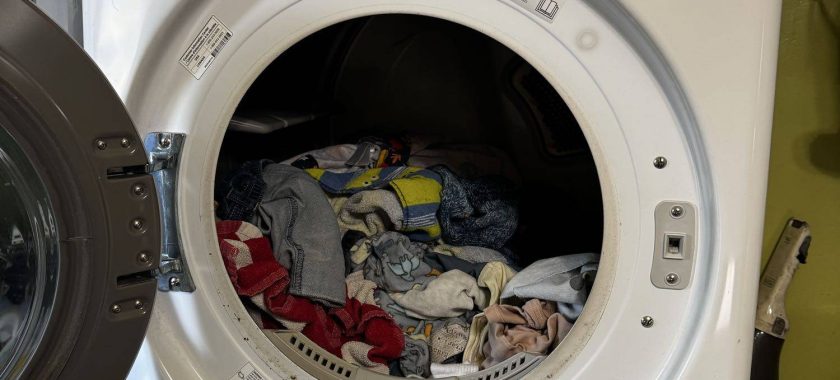
A washing machine that produces a buzzing sound before the drum begins to rotate is signaling that something in the starting process is not functioning smoothly. In many cases, the appliance is trying to start the cycle, but one of the key components responsible for initiating drum movement is struggling to deliver enough power.
This symptom is common across both top-load and front-load machines and is often linked to the motor start system or the capacitor. While the machine may still run intermittently, ignoring early warning signs can lead to complete failure of the drive system.
Understanding the causes behind this buzzing sound helps prevent unnecessary breakdowns and costly repairs.
How the Drum Starts in a Washing Machine
The drum in a washing machine does not begin spinning instantly when the cycle starts. Instead, several components work together in sequence:
- The control board sends a signal to start the cycle
- The motor receives power
- The start capacitor provides an initial energy boost
- The drive system engages the belt or direct drive mechanism
- The drum begins rotation
If any part of this sequence is disrupted, the motor may attempt to start but fail to generate enough torque, resulting in a buzzing or humming sound.
Faulty Start Capacitor
One of the most frequent causes of buzzing before drum movement is a failing start capacitor.
The capacitor stores and releases electrical energy needed to give the motor an initial push. When it weakens or fails, the motor may receive power but lacks the force required to start rotation.
Common signs of capacitor issues include:
- Buzzing or humming without drum movement
- Delayed spin start
- Intermittent operation
- Burning smell during cycle start
- Machine stopping shortly after attempting to start
A degraded capacitor will not always fail completely at first. Instead, it may function inconsistently, which explains why the machine sometimes starts and sometimes does not.
Motor Start Problems
If the capacitor is not the issue, the motor itself may be struggling to engage.
Electric motors in washing machines rely on internal windings and mechanical components that can wear out over time. When the motor begins to fail, it may still receive power but cannot convert it into proper rotational force.
Possible motor-related issues include:
- Worn motor brushes (in older models)
- Internal winding damage
- Overheating protection activation
- Mechanical resistance inside the motor
In these cases, the buzzing sound is the motor attempting to start but failing under load.
Drive Belt Resistance or Mechanical Blockage
In belt-driven washing machines, a slipping or worn belt can also create symptoms that resemble motor failure.
If the motor spins but the drum does not move freely, the system may produce a buzzing sound as it struggles to engage.
Additional mechanical issues can include:
- Obstructed drum rotation due to foreign objects
- Bearing wear increasing resistance
- Pump blockage creating system strain
When resistance is too high, the motor may attempt to start repeatedly without success.
Low Voltage or Electrical Supply Issues
Washing machines require stable voltage to start the motor correctly. If the power supply is weak or inconsistent, the motor may not receive enough energy to overcome initial resistance.
This can result in:
- Buzzing during startup
- Partial cycle initiation
- Resetting or stopping mid-cycle
Electrical issues should always be ruled out before replacing mechanical components.
Control Board Communication Problems
Although less common, the control board may also be responsible for startup failure.
If the board sends incomplete or delayed signals to the motor, the machine may attempt to start but fail to engage properly. This can sound like buzzing or repeated clicking without drum movement.
Signs of control board issues include:
- Random cycle interruptions
- Inconsistent startup behavior
- Error codes appearing intermittently
Why Early Diagnosis Matters
A buzzing sound before drum rotation is often an early stage of component failure. At this point, the machine may still operate, but the underlying issue is usually progressing.
Delaying repair can lead to:
- Complete motor failure
- Damage to the control board
- Belt or pulley system wear
- Higher repair costs
- Full appliance breakdown
Addressing the issue early reduces the risk of secondary damage.
What You Can Check Before Calling a Technician
Some basic checks can help narrow down the issue:
- Ensure the machine is not overloaded
- Confirm the drum spins freely by hand (when off)
- Check power outlet stability
- Inspect for visible obstructions in the drum
- Listen for changes in sound over multiple cycles
If the buzzing persists consistently, the issue is likely internal and requires professional diagnosis.
Professional Repair and Reliable Diagnosis
Motor and capacitor issues require specialized testing tools to confirm accurately. Replacing parts without proper diagnosis can lead to unnecessary expenses and unresolved symptoms.
A trained technician can:
- Test capacitor output capacity
- Inspect motor performance under load
- Check belt and drum resistance
- Evaluate electrical supply stability
- Diagnose control board communication faults
A washing machine that buzzes before the drum starts turning is showing early signs of stress in the motor start system or related components. While the appliance may still function intermittently, the condition typically worsens over time.
For accurate diagnosis and reliable repair, contact Chula Vista Appliance Repair Company. Their technicians can identify whether the issue comes from the capacitor, motor, drive system, or electrical supply and restore proper washing machine performance before the problem escalates.
Contact us
(619) 880-5508