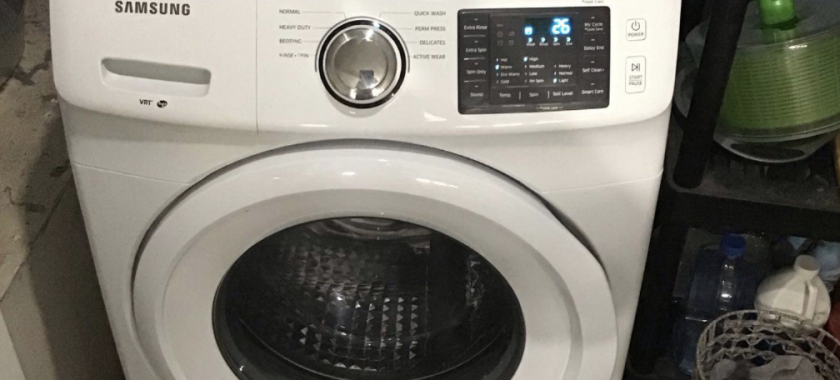
A Bosch washing machine is designed to complete every stage of the wash cycle automatically. When it fills with water but the drum refuses to turn, the cycle cannot continue, leaving clothes soaking wet and preventing the appliance from completing its job. This issue often points to a mechanical or electrical failure involving the drive system. While some causes are relatively minor, others require professional diagnosis to prevent further damage.
Understanding why your Bosch washer fills normally but the drum stays still can help you determine whether the problem is simple or whether it’s time to schedule a repair.
How the Washing Process Works
Once a Bosch washing machine fills with the correct amount of water, the control board signals the motor to begin rotating the drum. The motor transfers power through the drive belt or direct drive system, depending on the model. As the drum turns, clothes are washed evenly before the machine drains and spins.
If water enters normally but the drum never starts moving, something is interrupting this sequence. The motor may not be receiving power, the drive belt may have failed, or another component in the drive system may no longer function properly.
A Broken or Slipped Drive Belt
One of the most common mechanical causes is a damaged drive belt. In belt-driven Bosch washing machines, the belt connects the motor to the drum pulley. Over years of use, constant stretching, friction, and heavy loads can weaken the belt until it slips or snaps completely.
Signs of a drive belt problem include:
- The machine fills with water normally.
- You may hear the motor running.
- The drum remains completely still.
- The wash cycle stops before spinning.
A technician can inspect the belt for wear, stretching, cracks, or complete failure and replace it if necessary.
Motor Failure
If the drive belt is intact, the motor itself may be the source of the problem. Bosch washing machine motors are built for long-term performance, but they can eventually wear out after years of regular use.
Motor failure may result from:
- Worn motor brushes (on universal motors)
- Internal winding damage
- Overheating
- Electrical shorts
- Bearing wear
When the motor cannot generate enough torque, the drum will not rotate even though the washer fills with water and the control panel appears to operate normally.
Professional testing is required to determine whether the motor can be repaired or needs replacement.
Carbon Brush Wear
Many Bosch washing machines use motors equipped with carbon brushes. These brushes transfer electricity to the rotating armature inside the motor.
Over time, the brushes gradually wear down. Once they become too short, the motor loses electrical contact and cannot turn the drum.
Common symptoms include:
- Water fills normally.
- Drum does not rotate.
- Intermittent operation.
- Burning smell during attempted washing.
- Occasional sparking.
Replacing worn carbon brushes often restores normal operation without replacing the entire motor.
Faulty Motor Control Board
Modern Bosch washers rely on an electronic motor control board that regulates motor speed and direction.
If this control board develops damaged components or loses communication with the main control board, the washer may still fill with water but never send power to the motor.
Possible symptoms include:
- Drum never starts.
- Error codes appear.
- Cycle freezes.
- Machine repeatedly attempts to start.
Electronic diagnostics are usually necessary to identify this problem accurately.
Door Lock Problems
Bosch washing machines include safety systems that prevent the drum from turning unless the door lock engages completely.
If the door lock mechanism becomes defective, the washer may allow water to enter but will not begin agitation or spinning.
Warning signs include:
- Door does not lock securely.
- Lock indicator flashes.
- Cycle pauses unexpectedly.
- Drum remains stationary.
Replacing the faulty door lock often resolves the issue.
Overloaded Drum
Sometimes the cause is much simpler than a failed component.
Loading excessive laundry into the washer places tremendous strain on the drive system. Bosch washers are programmed to protect the motor from overload. If the control board detects excessive resistance, it may stop the drum from turning altogether.
To avoid overload:
- Follow Bosch load recommendations.
- Wash bulky blankets separately.
- Distribute clothing evenly.
- Avoid tightly packed loads.
Reducing the load may allow the machine to operate normally again.
Seized Drum Bearings
Although less common, worn drum bearings can also prevent rotation.
When bearings fail, they create excessive friction that prevents the motor from turning the drum.
Symptoms include:
- Loud grinding noises.
- Metal scraping sounds.
- Drum difficult to rotate by hand.
- Water leaking near the rear bearing.
Bearing replacement is a major repair that should be performed by experienced technicians.
Control Board Failure
The main electronic control board coordinates every function inside the washing machine.
If this board fails, it may successfully open the water valves but never activate the drive system.
Possible causes include:
- Voltage surges
- Moisture damage
- Burned circuits
- Component aging
Since electronic failures often resemble motor problems, proper diagnostic testing is essential before replacing expensive parts.
Why Professional Diagnosis Matters
Several different failures can produce the exact same symptom: water enters the machine, but the drum never moves.
Replacing parts without testing often leads to unnecessary expenses and repeated breakdowns.
Professional technicians inspect:
- Drive belt
- Motor
- Carbon brushes
- Motor control board
- Main control board
- Door lock
- Wiring connections
- Drum bearings
Using specialized diagnostic equipment allows them to identify the true cause quickly and recommend the most cost-effective repair.
Preventing Future Drive System Problems
Routine maintenance helps reduce stress on the washer’s drive components.
Helpful maintenance tips include:
- Avoid consistently overloading the drum.
- Wash heavy items separately.
- Check pockets for hard objects before washing.
- Keep the washer level.
- Address unusual noises immediately.
- Schedule service when performance changes.
Early repairs often prevent more expensive motor or electronic failures later.
Call Chula Vista Appliance Repair Company
If your Bosch washing machine fills with water but the drum won’t turn, don’t wait until a minor issue becomes a major repair. Whether the problem is a worn drive belt, failing motor, damaged control board, or another drive system component, accurate diagnosis is the key to restoring reliable performance.
The experienced technicians at Chula Vista Appliance Repair Company provide professional Bosch washing machine diagnostics and repairs using quality replacement parts and proven repair methods. Contact Chula Vista Appliance Repair Company today to schedule fast, dependable service and get your washer back to working like new.
Contact us
(619) 880-5508