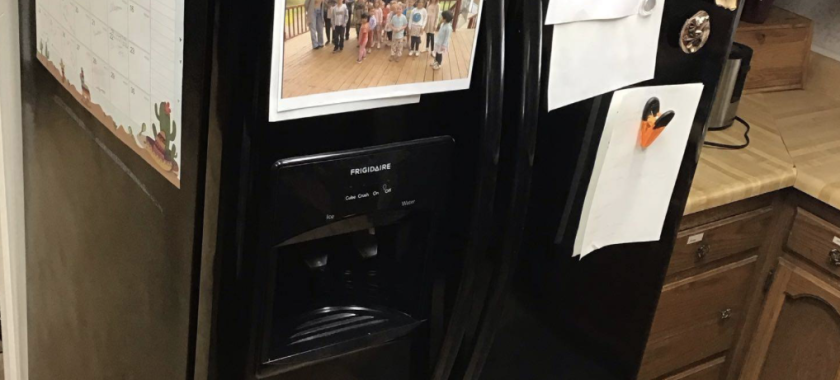
A refrigerator is expected to make some noise during normal operation. Soft humming, occasional clicks, and the sound of fans running are all part of the cooling process. However, if your Frigidaire refrigerator makes a loud buzzing noise every few minutes, especially if the sound is becoming louder or more frequent, it may be a sign that an important component is struggling to operate.
In many cases, recurring buzzing noises originate from the compressor or the condenser fan. Other issues, such as a faulty start relay, loose components, or ice interfering with fan blades, can produce similar sounds. Identifying the source early can prevent more extensive damage and help keep your refrigerator cooling efficiently.
When Is a Buzzing Noise a Problem?
Most refrigerators cycle on and off several times throughout the day. During each cooling cycle, the compressor and fans start automatically. A brief hum is normal, but a loud buzzing sound that repeats every few minutes or lasts longer than usual often indicates that something isn’t working properly.
You may notice symptoms such as:
- Loud buzzing every few minutes.
- The refrigerator cooling inconsistently.
- Food not staying as cold as usual.
- The compressor repeatedly attempting to start.
- Vibrations coming from the rear of the appliance.
- The refrigerator running almost continuously.
- The freezer beginning to lose temperature.
These warning signs should not be ignored, as they may indicate a developing mechanical or electrical problem.
Failing Compressor
One of the most common sources of a loud buzzing noise is the compressor.
The compressor is responsible for circulating refrigerant throughout the cooling system. Every time it starts, it compresses refrigerant and sends it through the condenser and evaporator coils to remove heat from the refrigerator.
As the compressor wears with age, internal components may struggle to start or operate efficiently.
Signs of compressor trouble include:
- Loud buzzing followed by a click.
- Repeated attempts to start.
- Poor cooling performance.
- Excessive heat around the compressor.
- The refrigerator running continuously.
If the compressor is failing, prompt diagnosis is essential because continued operation may lead to complete cooling loss.
Faulty Compressor Start Relay
Before assuming the compressor itself has failed, technicians often inspect the start relay.
The start relay provides the electrical boost needed for the compressor to begin operating. If the relay becomes worn or damaged, the compressor may buzz loudly while attempting to start but fail to run.
Common symptoms include:
- Buzzing followed by a clicking sound.
- Cooling stopping completely.
- Intermittent refrigerator operation.
- Warm refrigerator compartment.
- Compressor repeatedly cycling on and off.
Replacing a faulty start relay is often far less expensive than replacing the compressor itself.
Condenser Fan Problems
Another common cause of loud buzzing is the condenser fan.
Located near the compressor, the condenser fan pulls air across the condenser coils to remove heat from the refrigeration system. If the fan motor begins to fail or debris interferes with the blades, the fan may produce a loud buzzing, rattling, or vibrating sound.
Possible causes include:
- Worn fan motor bearings.
- Dust buildup.
- Bent fan blades.
- Loose mounting hardware.
- Debris trapped inside the fan housing.
A properly functioning condenser fan is essential for maintaining efficient cooling and preventing compressor overheating.
Dirty Condenser Coils
Although dirty coils may not directly create buzzing noises, they can force the compressor and condenser fan to work much harder than normal.
Dust, pet hair, and debris reduce the coils’ ability to release heat, increasing the workload on the cooling system.
As a result, you may notice:
- Longer cooling cycles.
- Louder operating noises.
- Increased energy consumption.
- Reduced cooling efficiency.
Cleaning the condenser coils regularly helps improve performance and reduce strain on critical components.
Loose Components Causing Vibration
Sometimes the buzzing sound isn’t coming from a failed part but from vibrations caused by loose hardware.
As the refrigerator operates, components such as the compressor mounting brackets, rear access panel, drain pan, or condenser fan housing may begin vibrating.
Signs of vibration-related buzzing include:
- Noise changing when the refrigerator is moved slightly.
- Buzzing that occurs only during compressor operation.
- Rattling from the back of the appliance.
- Noise that stops when pressure is applied to a panel.
A technician can identify and secure loose components before they cause additional wear.
Ice Around the Fan Blades
On some Frigidaire refrigerator models, frost or ice buildup inside the freezer compartment can interfere with the evaporator fan.
When the fan blades strike accumulated ice, they may create buzzing, clicking, or grinding noises that repeat throughout the day.
Possible causes include:
- Defrost system problems.
- Blocked air vents.
- Damaged door seals allowing excess moisture inside.
- Frequent door openings.
Removing the ice alone may not solve the issue if the underlying cause remains.
Why You Shouldn’t Ignore Buzzing Sounds
Many homeowners continue using the refrigerator because it still cools despite the noise.
Unfortunately, recurring buzzing often indicates that a component is operating under stress. Ignoring the problem may lead to:
- Compressor failure.
- Overheated cooling components.
- Reduced energy efficiency.
- Food spoilage.
- More expensive repairs.
Early service can often prevent major breakdowns and extend the life of the appliance.
Professional Diagnosis Is the Best Solution
Because several components can produce similar noises, accurate diagnosis is essential.
Professional appliance technicians inspect:
- Compressor performance.
- Start relay operation.
- Condenser fan motor.
- Fan blades.
- Condenser coils.
- Electrical connections.
- Evaporator fan.
- Refrigeration system operation.
Testing each component ensures the correct repair is completed without replacing unnecessary parts.
Preventive Maintenance Tips
Regular maintenance can help reduce cooling problems and unexpected noises:
- Clean the condenser coils every six to twelve months.
- Keep air vents clear.
- Avoid placing the refrigerator too close to the wall.
- Check door gaskets for a proper seal.
- Schedule service if new noises appear or cooling performance changes.
These simple steps help your refrigerator operate more efficiently and reduce wear on major components.
Trust Chula Vista Appliance Repair Company
If your Frigidaire refrigerator makes a loud buzzing noise every few minutes, don’t wait until the appliance stops cooling completely. Whether the problem involves a failing compressor, faulty condenser fan, damaged start relay, or another cooling system component, the experienced technicians at Chula Vista Appliance Repair Company can quickly identify the cause and provide reliable repairs. We service Frigidaire refrigerators using professional diagnostic equipment and quality replacement parts to restore dependable performance. Contact Chula Vista Appliance Repair Company today to schedule expert refrigerator repair and keep your food fresh and your appliance running efficiently.
Contact us
(619) 880-5508