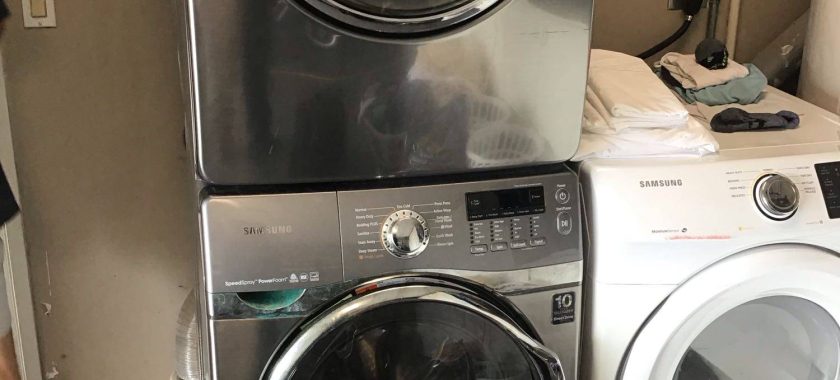
A Kenmore washing machine that stops working in the middle of a cycle can leave clothes soaking wet and create uncertainty about whether the problem is minor or requires a major repair. A washer may fill with water normally, begin agitating, and then suddenly stop. In other cases, it may drain but fail to continue to the spin cycle. When this happens repeatedly, the cause is often related to a safety component, electrical system, motor circuit, or electronic control.
One of the first components to consider is the lid switch. Kenmore top-load washers use the lid switch to determine whether the lid is properly closed. The washer relies on this signal before allowing certain operations, particularly agitation and spinning. If the switch becomes worn, damaged, misaligned, or electrically defective, the control system may interpret the lid as open and stop the cycle.
Possible Lid Switch Failure
The lid switch is exposed to repeated mechanical movement every time the washer is loaded and unloaded. Over time, the switch or its actuator can wear out. A loose lid, damaged plastic component, or broken switch assembly can also prevent reliable contact.
A defective lid switch may produce several symptoms. The washer might stop shortly after starting, refuse to spin, or pause at the same point during different cycles. Sometimes moving or closing the lid changes the behavior temporarily, which can indicate a mechanical or electrical problem with the switch.
A technician can test the switch for continuity and inspect the surrounding components. Replacing a faulty switch is usually much more practical than repeatedly restarting the washer and hoping it completes the cycle.
Electronic Control Problems
Another possible cause is the electronic control board. Modern Kenmore washing machines use electronic controls to coordinate filling, agitation, draining, spinning, and other functions. If the control board develops an electrical fault, the washer may stop responding even though the mechanical components appear normal.
Electronic control problems can be caused by failed components on the board, damaged wiring, power fluctuations, moisture exposure, or other electrical issues. Symptoms can include random cycle interruptions, buttons that do not respond correctly, unexpected pauses, or a washer that stops and will not resume.
Because several different failures can produce similar symptoms, replacing the control board without proper testing can be expensive and unnecessary. A qualified appliance technician should first determine whether the board is actually receiving the correct signals and power.
Other Causes That Should Be Checked
A mid-cycle shutdown does not always mean the lid switch or control board is defective. The washer may also stop because of a problem with the drain pump, motor, drive system, water supply, wiring, or pressure sensing system. For example, if the washer cannot drain properly, the control system may prevent the machine from advancing to the spin cycle. A clogged drain hose, blocked pump, or failing drain pump can create this condition.
A motor that overheats may also cause the washer to stop during operation. Depending on the model and failure, the motor may work again after cooling down, making the problem appear intermittent. Water-level problems can create similar symptoms. If the washer does not receive enough water or the control system receives an incorrect signal from the pressure-sensing system, the cycle may pause or fail to advance.
What You Can Check Safely
Before scheduling a repair, check whether the washer is receiving power. Make sure the power cord is firmly connected and check the circuit breaker if the machine has gone completely dead. You can also inspect the lid for obvious damage and make sure nothing is preventing it from closing correctly. If the washer has an error code, record it before turning the machine off. That information can help a technician identify the affected system.
Avoid bypassing the lid switch or attempting to repair electrical components while the washer is connected to power. The switch is part of the machine’s safety system, and improper electrical work can create additional damage or a shock hazard. If resetting the washer only solves the problem temporarily, continued use may make troubleshooting more difficult and could potentially damage other components.
When Professional Repair Is the Better Option
A Kenmore washer that repeatedly stops during the same stage of a cycle needs a proper diagnosis. A technician can test the lid switch, inspect wiring and connectors, evaluate the drain system, check the motor and related components, and determine whether the electronic control is functioning correctly. The goal is to identify the component responsible for the shutdown rather than replacing multiple parts based on symptoms alone. This approach can reduce unnecessary repair costs and restore reliable washing performance.
If your Kenmore washing machine stops working mid-cycle, the lid switch or electronic control system may be responsible, but other components should be checked before a repair is recommended. For professional troubleshooting and appliance repair, contact Chula Vista Appliance Repair Company. Schedule a service visit to have your Kenmore washer inspected, diagnosed, and repaired by a qualified appliance technician.
Contact us
(619) 880-5508