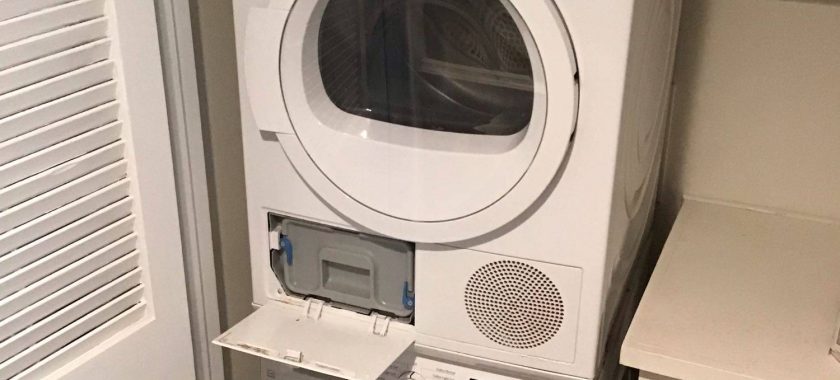
An LG dryer that needs two cycles to fully dry a normal load is usually showing a problem with airflow, heating, moisture removal, or one of the components responsible for the drying cycle. While running the dryer twice may seem like a temporary solution, repeated long cycles increase energy use and put additional stress on the appliance. One of the most common causes is a restricted dryer vent. Your LG dryer needs a steady flow of air to move warm, moisture-filled air away from the drum. If the vent hose or exterior vent is clogged with lint, crushed behind the appliance, or blocked by debris, moist air cannot escape efficiently. The dryer may still produce heat, but clothes remain damp because the moisture has nowhere to go.
A Restricted Vent Can Cause Long Drying Times
Lint accumulation is one of the first things to consider when an LG dryer takes two cycles to dry clothes. The lint filter should be cleaned after every load, but lint can also accumulate inside the vent system. A restricted vent can produce several warning signs:
- Clothes remain damp at the end of a normal cycle.
- The dryer becomes unusually hot.
- Drying times gradually increase.
- The laundry room feels warmer than usual.
- The dryer shuts down because of overheating.
- Airflow at the exterior vent is weak.
A vent problem should be addressed promptly. Poor airflow can cause excessive heat buildup and place unnecessary strain on the heating system and other components.
The Heating Element May Be Weak
Another possible cause is a weak or partially failed heating element. The heating element is responsible for producing the heat needed to evaporate moisture from clothing. If part of the element has failed or its performance has deteriorated, the dryer may still produce some warmth without reaching the temperature required for efficient drying. This can make the problem confusing. You may open the door and feel warm air, leading you to assume the heating system is working correctly. However, the temperature may not be high enough or consistent enough to dry clothes within one cycle. A technician can inspect the heating element, electrical connections, thermostats, and related components to determine whether the dryer is generating the correct amount of heat.
Check the Load Size and Cycle Settings
Before assuming there is a mechanical failure, check how the dryer is being used. Overloading the drum can prevent warm air from circulating around the clothes. Heavy items such as towels, blankets, and jeans naturally require more drying time than lightweight garments. The selected cycle also matters. Low-heat or energy-saving settings may intentionally use less heat and longer drying periods. If clothes are consistently wet after two standard cycles, however, the appliance should be inspected. Make sure the clothes are also coming from the washer with an effective spin cycle. Excess water left in the laundry can significantly increase dryer time. If the washer is not extracting enough water, the dryer may appear to be the source of the problem even when it is operating normally.
Moisture Sensors Can Also Affect Drying
Many LG dryers use moisture sensors to determine when clothes are sufficiently dry. Residue from dryer sheets, fabric softener, or detergent can build up on the sensor bars and interfere with their ability to detect moisture accurately. If the dryer stops too early or the cycle does not seem to respond correctly to the load, cleaning the sensor area according to the manufacturer’s recommendations may help. However, if the dryer consistently requires two cycles despite proper loading and a clean lint filter, professional diagnosis is recommended.
Why Professional Diagnosis Matters
Several different problems can produce the same symptom: clothes take too long to dry. A restricted vent, weak heating element, faulty thermostat, damaged thermal fuse, airflow problem, or electrical issue can all affect drying performance. Replacing a component without identifying the actual cause can waste money and leave the original problem unresolved. For example, installing a new heating element will not solve a severely restricted vent. Likewise, cleaning the lint filter will not correct a heating component that is no longer functioning properly. A professional appliance technician can inspect the dryer systematically, test the heating system, evaluate airflow, examine the vent connection, and identify components that may need repair or replacement.
When to Stop Using the Dryer
If the dryer becomes extremely hot, produces a burning smell, repeatedly shuts off, makes unusual noises, or shows signs of electrical trouble, stop using it until the cause has been checked. Continuing to operate an appliance with restricted airflow or an overheating component can increase the risk of further damage. If your LG dryer takes two cycles to dry clothes, don’t make repeated cycles your permanent solution. Proper airflow and consistent heating are essential for efficient operation. For dependable diagnosis and repair, contact Chula Vista Appliance Repair Company. Their technicians can inspect your LG dryer, identify whether the problem is related to the vent, heating system, or another component, and recommend the appropriate repair. Schedule appliance repair service today and get your dryer back to efficient one-cycle drying.
Contact us
(619) 880-5508