A Jenn-Air refrigerator that stops making ice can quickly become inconvenient, especially when the ice bin remains empty even though the refrigerator itself appears to be cooling normally. In many cases, the problem is connected to the ice maker assembly, water supply, or the components responsible for controlling the ice-making cycle. The ice maker needs several systems to work together. The refrigerator must maintain the proper temperature, water must reach the ice maker through the supply line and inlet valve, and the ice maker module must control the fill, freeze, and harvest processes. When one of these components fails, ice production can stop completely.
Check the Ice Maker Temperature
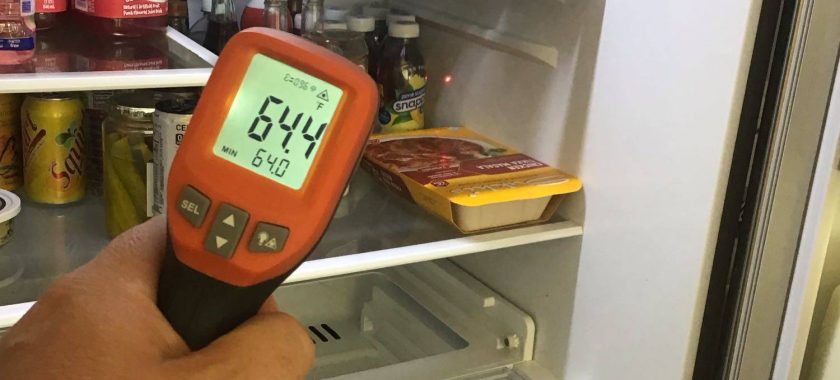
Before assuming that a component has failed, check whether the freezer is cold enough for normal ice production. If the freezer temperature is too high, the ice maker may not complete its cycle. A refrigerator can still appear to work while the freezer temperature is above the level required for reliable ice production. Temperature problems may be caused by blocked air vents, dirty condenser components, a malfunctioning evaporator fan, or another cooling-system issue. If other frozen foods are also becoming softer than usual, the ice maker may only be showing a symptom of a larger refrigeration problem.
Possible Ice Maker Module Failure
The ice maker module controls important functions during the ice-making cycle. Depending on the Jenn-Air model, the module may operate the motor and monitor the position of the ice maker mechanism. When the module fails, the ice maker may remain inactive even when the freezer is cold and the water supply is available. You may notice that the ice maker does not cycle, eject ice, or call for water. A defective module can sometimes be identified through electrical testing and inspection of the ice maker assembly. Replacing the module may restore operation, but the exact repair depends on the refrigerator model and the design of its ice maker.
Possible Water Inlet Valve Problem
The water inlet valve controls the flow of water into the refrigerator and ice maker. When the ice maker reaches the filling stage, the valve should open and allow a measured amount of water to enter the ice mold. A failing valve may remain closed, open only partially, or fail to provide sufficient water pressure. As a result, the ice maker may cycle without producing properly sized cubes or may produce no ice at all. A restricted inlet screen, mineral buildup, low household water pressure, or an electrically defective valve can also affect water flow. Testing the valve and checking the water supply can help determine whether it needs replacement.
Water Supply Restrictions
The problem may also occur before water reaches the inlet valve. A kinked supply line can restrict flow, while a clogged filter may reduce water pressure enough to interfere with ice production. If the refrigerator has a replaceable water filter, check whether it is overdue for replacement and whether it has been installed correctly. Some refrigerators may stop or reduce water flow when the filter is severely restricted. However, replacing the filter will not correct a failed water inlet valve or defective ice maker module. Proper diagnosis is necessary when the basic checks do not resolve the issue.
Ice Maker Fill Tube Problems
The small tube that delivers water into the ice maker can sometimes become frozen or blocked. When this happens, the inlet valve may operate normally, but water cannot enter the ice mold. Repeated freezing of the fill tube can indicate an underlying issue with water pressure, the inlet valve, temperature conditions, or the ice maker itself. Simply clearing the tube may provide only a temporary solution if the original cause remains.
Ice Maker Assembly Wear
The ice maker contains mechanical and electrical components that operate repeatedly. Over time, gears, switches, motors, sensors, and other parts can wear out. If the ice maker stops harvesting cubes, gets stuck in one position, or produces ice inconsistently, the complete assembly may require inspection. Depending on the model, repairing an individual component or replacing the entire ice maker assembly may be the appropriate solution.
Why Professional Diagnosis Helps
Several different failures can create the same symptom: no ice. A technician can inspect the ice maker, test the water inlet valve, check water pressure, examine the fill tube, verify freezer temperature, and evaluate electrical connections. This approach helps prevent unnecessary part replacement. Installing a new ice maker, for example, will not solve the problem if the actual cause is a defective water inlet valve. Likewise, replacing the valve will not restore ice production when the ice maker module has failed. Jenn-Air refrigerators also come in different configurations, so replacement parts must match the specific model. Using the correct component is essential for proper operation.
When to Schedule Refrigerator Repair
If your Jenn-Air refrigerator has stopped producing ice and basic checks have not restored operation, professional service can identify the source of the problem. Prompt diagnosis is especially useful when the refrigerator is also experiencing water leaks, unusual noises, temperature fluctuations, or other symptoms. A malfunctioning ice maker can sometimes indicate a problem with the refrigerator’s water or electrical system that deserves attention before it develops into a larger repair. If your Jenn-Air refrigerator ice maker won’t produce ice, contact Chula Vista Appliance Repair Company for professional appliance service. A qualified technician can diagnose the ice maker module, water inlet valve, water supply, and related components and recommend the appropriate repair.
Chula Vista Appliance Repair Company
Don’t keep waiting for the ice bin to fill on its own. If your Jenn-Air refrigerator has stopped making ice, order refrigerator repair service from Chula Vista Appliance Repair Company. Professional diagnosis can help identify the failed component and get your ice maker working properly again.
Contact us
(619) 880-5508