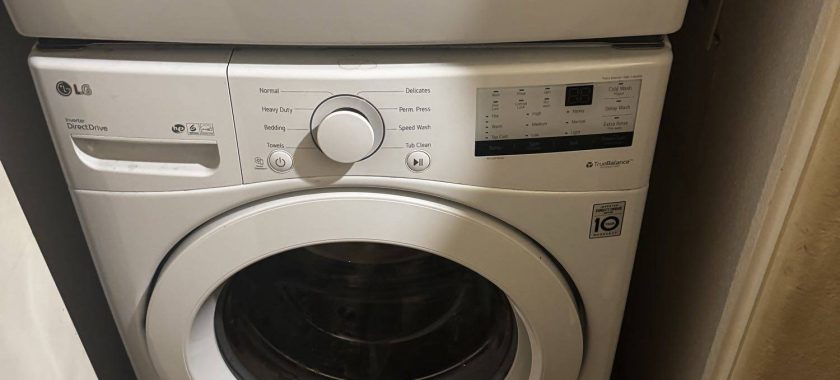
A Whirlpool washing machine that fails to dispense detergent properly can leave clothes with visible residue, unpleasant odors, and stains that remain after the wash cycle. You may open the washer after a completed load and discover that detergent is still sitting in the dispenser drawer, fabric softener has not been released, or the laundry does not look as clean as expected. These problems can indicate a blocked dispenser, restricted water flow, or a malfunctioning component inside the appliance.
Although some detergent dispensing issues can be resolved with routine cleaning, recurring problems may require professional diagnosis. Understanding the possible causes can help you determine what to check first and when to contact an appliance repair specialist.
Common Signs of a Detergent Dispensing Problem
The most obvious sign is detergent remaining in the dispenser after the washing machine finishes its cycle. Depending on the type of detergent and the severity of the problem, you might notice thick residue, clumps of powdered detergent, or a pool of liquid detergent inside the drawer.
Other symptoms can include fabric softener remaining in its compartment, water collecting in the dispenser, detergent leaking from the front of the washer, or white streaks appearing on dark clothing. You may also notice that laundry smells less fresh because the detergent was not distributed throughout the wash as intended.
These symptoms do not always indicate the same failure. A partially blocked drawer may prevent proper dispensing, while weak water flow or a defective inlet valve can keep detergent from being flushed into the drum.
Clogged Detergent Dispenser
A buildup of detergent is one of the most common reasons a Whirlpool washing machine does not dispense cleaning products correctly. Over time, detergent residue, fabric softener, lint, and mineral deposits can accumulate inside the drawer and its surrounding channels.
Liquid detergents and fabric softeners can become sticky, especially when too much product is used or the dispenser is not cleaned regularly. Powdered detergent may form hard deposits when it does not dissolve completely. Eventually, these deposits restrict the passages through which water carries the detergent into the washing machine.
To check for this problem, remove the dispenser drawer according to the instructions in your Whirlpool owner’s manual. Wash removable components with warm water and a soft brush, paying attention to corners and narrow openings. Clean the accessible dispenser housing as well, without forcing tools into internal passages.
Allow the components to dry before reinstalling them. If detergent continues to remain in the drawer after cleaning, the blockage may be deeper inside the dispensing system.
Water Supply Problems
The dispenser depends on an adequate flow of water to carry detergent into the washer drum. If the water supply is restricted, the detergent may remain in its compartment even when the drawer itself is clean.
Start by checking whether the household water supply is working normally. Make sure the washer’s water supply valves are fully open and inspect the visible inlet hoses for kinks or crushing. A restricted hose can reduce the amount of water reaching the appliance.
Some Whirlpool models use specific water inlets or controlled spray patterns to flush different dispenser compartments. If the water does not reach the correct section of the drawer, detergent or fabric softener may not be released as intended.
Before inspecting hoses or connections, turn off the water supply and disconnect electrical power when appropriate. If the supply appears normal but dispensing remains inconsistent, a technician can measure water flow and inspect the internal components.
Faulty Water Inlet Valve
The water inlet valve controls the flow of water into the washing machine. When its internal mechanisms become worn, blocked, or electrically defective, the washer may receive insufficient water during the part of the cycle responsible for flushing detergent from the dispenser.
The problem can be difficult to distinguish from a household supply issue. Water may still enter the washer, but the flow may be too weak or directed incorrectly for proper dispensing. In some cases, the machine may also fill slowly or display a water supply error.
A technician can test the valve, inspect its electrical connections, and determine whether it is opening correctly when commanded by the washer’s control system. If the valve has failed, replacement may be necessary.
Because the inlet valve is connected to both the water supply and electrical controls, internal testing should be left to a qualified appliance repair professional.
Incorrect Detergent or Excessive Product Use
Sometimes the washing machine is functioning correctly, but the detergent itself creates a dispensing problem.
Using too much detergent can produce heavy residue inside the dispenser and washer. Products that are too thick for the dispenser design may also flow poorly. Powdered detergent can clump when exposed to moisture, while incompatible products may not be suitable for a particular compartment.
For Whirlpool high-efficiency washers, use detergent labeled for HE machines and follow the dosage recommendations for your model and load size. If your washer has separate compartments for detergent, bleach, and fabric softener, make sure each product goes into the correct section.
Check the owner’s manual for any model-specific instructions about detergent type, dispenser inserts, and maximum fill levels. Avoid mixing products in the drawer or filling compartments beyond their marked limits.
Damaged Dispenser Components
A damaged drawer, missing insert, worn siphon component, or broken internal dispenser part can prevent detergent and fabric softener from being released properly.
Fabric softener compartments often rely on a siphon mechanism. If the insert is missing, incorrectly installed, or clogged, the softener may remain in the compartment after the cycle ends. A cracked drawer or misaligned component can also interfere with the normal flow of water.
Inspect removable parts for visible damage and make sure the drawer slides fully into position. If everything appears clean and correctly installed, a technician can examine the dispenser assembly and identify parts that require repair or replacement.
Control Board or Dispenser System Failure
If the detergent drawer is clean, the household water supply is adequate, and the inlet valve works correctly, the problem may involve the washer’s electronic controls or dispenser distribution system.
Depending on the Whirlpool model, the control board coordinates the fill sequence and other functions needed to move water through the dispenser. A fault in the control system, wiring, or associated components may interrupt that sequence.
Electronic failures can produce symptoms similar to a blockage, so replacing parts without proper testing may waste time and money. A professional diagnosis can help identify the actual cause before repairs begin.
When to Call a Professional
Start with simple maintenance: clean the dispenser, verify that removable inserts are installed correctly, use the recommended detergent, and check for obvious hose restrictions. If detergent still remains in the drawer over multiple cycles, water flow appears weak, or the washer displays recurring errors, arrange an inspection.
Stop using the appliance if you notice burning smells, damaged electrical wiring, or water leaking near electrical components. Do not remove internal panels or test live electrical parts unless you are qualified to do so.
Prompt repairs can prevent continued detergent buildup, reduce the risk of leaks, and help restore normal washing performance.
Whirlpool Washing Machine Repair in Chula Vista
A Whirlpool washer that will not dispense detergent properly may have a simple blockage or a more complicated water supply, valve, or control system problem. Identifying the cause early helps prevent repeated wash cycles, wasted detergent, and laundry that never gets properly cleaned.
For professional troubleshooting and dependable appliance repair, contact Chula Vista Appliance Repair Company. A qualified technician can inspect the detergent dispenser, check water flow, test relevant components, and recommend the appropriate repair for your Whirlpool washing machine.
Call Chula Vista Appliance Repair Company today to schedule a service appointment and get your washing machine dispensing detergent properly again.