You pull fresh laundry from the dryer and it smells clean. The scent is light, pleasant, and reassuring. But a few hours later — after the clothes are folded or hanging in the closet — a faint musty odor returns. Sometimes it’s subtle. Other times it’s strong enough to make you rewash everything.
If this sounds familiar, you’re not imagining it. When laundry smells fine at first but develops an odor later, the problem often isn’t your detergent or your drying routine. The real issue is usually hidden inside your washing machine.
The Illusion of Clean
Modern washers are designed to use less water and energy. While that’s efficient, it can also create conditions where residue builds up unnoticed. Detergent, fabric softener, body oils, lint, and dirt don’t always rinse away completely. Over time, these residues collect in places you rarely see: behind the drum, inside the door gasket, in the detergent drawer housing, and deep within drain lines.
At first, this buildup may not affect how your clothes look or smell when they come out of the dryer. Heat temporarily masks odors. But once the fabric cools and absorbs moisture from the air, trapped bacteria and mildew compounds reactivate — and the smell returns.
Where the Odor Really Starts
The most common hidden sources include:
- Door seal (especially in front-load washers)
• Inner drum exterior
• Drain pump filter
• Detergent dispenser housing
• Internal hoses and water lines
Moisture is the key factor. Washers are naturally damp environments. If the door stays closed between loads, humidity lingers inside. That moisture, combined with residue buildup, creates the perfect environment for bacterial growth.
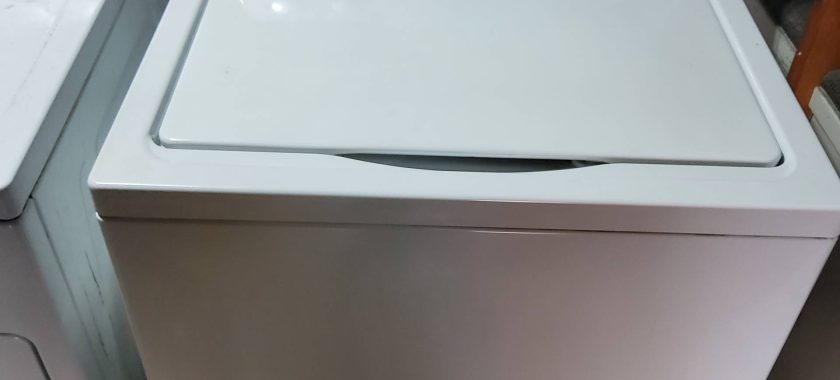
Even top-load washers are not immune. While they may dry out faster, they can still develop sludge beneath the agitator or around the outer tub.
Why Rewashing Doesn’t Solve It
Many homeowners respond by rewashing clothes, adding more detergent, or using heavily scented products. Unfortunately, this often makes the problem worse.
Excess detergent doesn’t fully rinse away in modern high-efficiency machines. Instead, it adds to the buildup inside the washer. Fabric softeners can leave a waxy film that traps odor-causing bacteria even more effectively.
You may temporarily mask the smell, but until the internal contamination is addressed, it will keep returning.
Signs the Washer Is the Problem
If the washer itself is causing odors, you might notice:
- A musty smell when you open the door
• Black or gray residue around the rubber gasket
• Slower drainage or standing water
• Odor strongest in towels or thicker fabrics
• Smell that worsens in humid weather
Sometimes the washer smells fine when empty but still transfers odor to clothing. That usually indicates buildup hidden behind the inner drum — something standard cleaning cycles cannot fully reach.
The Limits of DIY Cleaning
Running a hot cycle with vinegar or a store-bought washer cleaner can help in mild cases. Wiping the gasket and leaving the door open are also good maintenance habits.
However, if odor keeps returning, the buildup may be deeper inside the system. In many cases, partial disassembly is required to properly clean contaminated components. Drain pumps, hoses, and outer tubs can harbor layers of biofilm that regular cleaning cycles cannot remove.
Additionally, mechanical issues can contribute to odor problems. A failing drain pump may leave residual water. A partially clogged pressure hose can affect rinse efficiency. A worn door gasket may trap moisture permanently. These problems don’t fix themselves — and they usually worsen over time.
How Professionals Resolve It
A professional washer service goes beyond surface cleaning. Technicians inspect internal components, check drainage performance, evaluate water levels, and identify hidden residue buildup. If needed, they remove and clean contaminated parts or replace worn seals and hoses.
Proper servicing not only eliminates persistent odors but also improves wash performance and extends the lifespan of the appliance.
Preventing the Problem in the Future
Once the root cause is addressed, prevention becomes much easier:
- Leave the washer door open after each load
• Use the recommended amount of detergent
• Avoid excessive fabric softener
• Run a maintenance cleaning cycle monthly
• Clean the drain filter regularly
Small habits make a big difference when it comes to moisture control and residue prevention.
Don’t Ignore the Early Warning
Persistent odor is more than a nuisance. It’s a signal that something inside your washer isn’t functioning optimally. Left unresolved, buildup can affect sensors, drainage, and even mechanical components. Instead of repeatedly rewashing clothes or switching detergents, address the issue at its source. If your laundry smells fine at first but develops an odor later, it’s time to look inside the machine — not just at the fabric.
Schedule Service Today
If you’re dealing with recurring washer odors, don’t wait for the problem to escalate. The experienced technicians at Chula Vista Appliance Repair Company can diagnose the hidden cause and restore your washer’s true performance.
Call Chula Vista Appliance Repair Company today and schedule professional service. Fresh laundry should stay fresh — and your washer should work the way it was designed to.
Contact us
(619) 880-5508