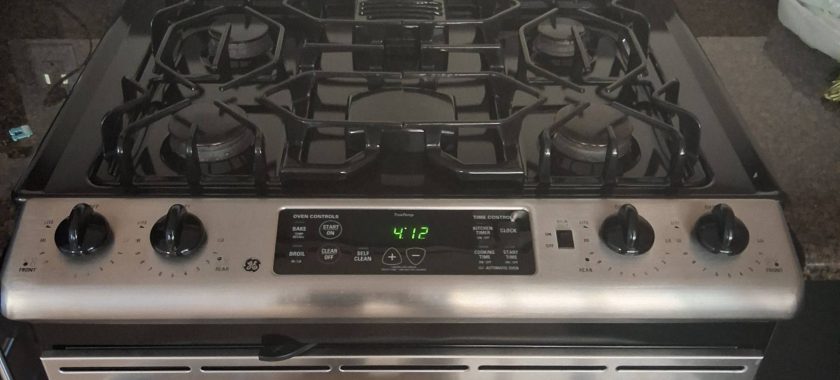
Many homeowners take comfort in seeing a steady, blue flame on their gas appliances, assuming everything is running smoothly. After all, a stable flame is often considered a sign that the appliance is functioning properly. However, if you notice even a slight buildup of soot around burners, grates, or the base of your stove or oven, it could be an early warning sign that something is off. Understanding what this means can help you prevent bigger issues, improve efficiency, and ensure the safety of your home.
What Causes Soot on Gas Appliances?
Soot is essentially unburned carbon, a byproduct of incomplete combustion. Gas appliances—whether stoves, ovens, or water heaters—are designed to mix gas and air in precise proportions so that the fuel burns completely. When that balance is disrupted, even slightly, combustion becomes incomplete and soot can form.
Several factors can cause soot buildup:
- Clogged or Dirty Burners: Over time, food residue, dust, or grease can partially block burner ports. This restricts gas flow and prevents the flame from burning efficiently. Even if the flame looks stable, some fuel may not be fully combusting.
- Incorrect Air-to-Gas Ratio: Modern appliances are calibrated to burn gas efficiently with a proper air mix. If air intake is blocked, or the appliance is not adjusted correctly, combustion can produce soot.
- Ventilation Issues: Appliances that rely on venting may accumulate soot if the vent is partially blocked or restricted. Poor airflow can interfere with proper combustion and increase residue.
- Low-Quality or Contaminated Fuel: Gas that contains impurities or inconsistent pressure can burn unevenly, leaving carbon deposits behind.
Why Soot Is a Concern
Even a small amount of soot should not be ignored. Here’s why:
- Safety Risk: While a little soot might seem harmless, it signals incomplete combustion. This can sometimes be associated with higher levels of carbon monoxide, which is colorless, odorless, and dangerous.
- Efficiency Loss: Soot buildup reduces the heat efficiency of burners. Your stove or oven may take longer to cook food, use more fuel, and increase energy costs over time.
- Appliance Longevity: Continuous soot accumulation can corrode metal parts and clog components, shortening the lifespan of your appliance and potentially leading to costly repairs.
- Food Quality: Soot near burners can affect the taste and cleanliness of your food, particularly if deposits land on cooking surfaces.
How to Respond to Early Soot Signs
If you notice small soot deposits, acting early is crucial. Here are steps to take:
- Clean the Burners: Remove any food residue or grease from the burner area. Use a soft brush or a damp cloth to avoid damaging parts.
- Check Ventilation: Ensure vents are clear and airflow is unobstructed. This includes chimneys, exhausts, or intake areas for your appliance.
- Inspect the Flame: A healthy gas flame should be mostly blue. Yellow tips or flickering flames may indicate an issue with combustion or air intake.
- Schedule Professional Service: Even if your appliance seems to operate normally, a slight soot buildup can indicate hidden problems. A qualified technician can adjust the air-to-gas ratio, clean internal components, and verify safety features.
Why Professional Inspection Matters
Many homeowners attempt to ignore or clean soot on their own. While minor surface cleaning is fine, internal issues require professional attention. Technicians can:
- Adjust burner calibration for proper combustion
- Clean or replace clogged burner ports
- Examine fuel supply and connections for irregularities
- Inspect and clear venting systems to improve airflow
By addressing the problem early, you can prevent more serious damage, improve performance, and maintain safety.
Preventive Tips to Minimize Soot
- Routine Cleaning: Wipe burners and cooking surfaces regularly to prevent residue accumulation.
- Use Proper Cookware: Flat, stable pans promote even heat distribution and reduce excessive soot formation.
- Monitor Gas Pressure: If you notice irregular flame patterns or soot, have your fuel supply checked by a professional.
- Schedule Annual Maintenance: Even well-maintained appliances benefit from a yearly professional inspection to ensure all components are working efficiently.
A steady flame might look reassuring, but small signs like soot buildup are early warnings you shouldn’t ignore. Incomplete combustion can affect safety, efficiency, and the longevity of your gas appliances. By taking proactive steps—cleaning, monitoring, and arranging professional service—you can maintain optimal performance and avoid costly repairs down the line.
For homeowners in Chula Vista and nearby areas, professional assistance is just a call away. The experts at Chula Vista Appliance Repair Company can inspect your appliance, adjust burners, and ensure your home stays safe and efficient. Don’t wait for small soot deposits to turn into bigger problems—schedule a service today.
Contact us
(619) 880-5508