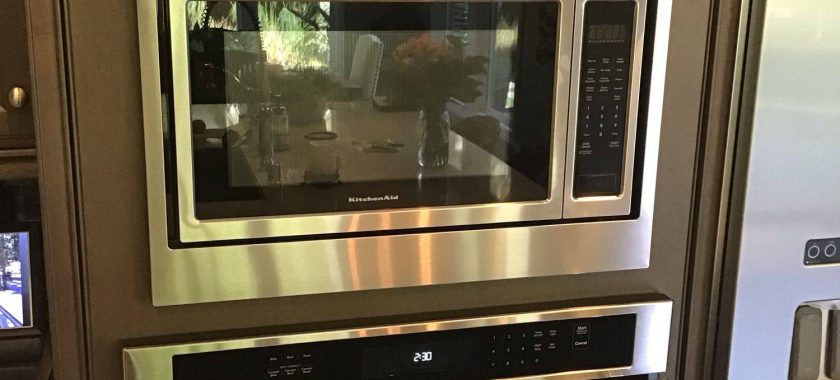
It is a classic modern frustration. You place a bowl of leftovers inside the microwave, set the timer for two minutes, and press start. You hear the familiar hum, see the turntable spinning, and the interior light glows brightly. But when the timer dings and you reach inside, the bowl is stone cold.
When a microwave operates mechanically but fails to produce heat, it usually points to a failure within the high-voltage circuit. While modern microwaves are marvels of convenience, they rely on a complex interplay of physics and high-energy components. Understanding why your appliance has suddenly gone “thermally silent” requires looking past the door and into the heart of the machine.
The Heart of the Matter: The Magnetron
The most common culprit in a “no-heat” scenario is the magnetron. If the microwave is an orchestra, the magnetron is the conductor. It is a high-powered vacuum tube that converts electricity into electromagnetic cooking waves (microwaves).
When these waves bounce around the metal interior and penetrate your food, they cause water molecules to vibrate rapidly, creating heat through friction. If the magnetron’s internal filament burns out or its magnets crack, the hum will continue, but no actual energy is being transmitted to your food. Magnetron failure is often preceded by a distinct burning smell or a louder-than-usual buzzing sound, though sometimes it simply expires quietly.
The High-Voltage Power Chain
A magnetron cannot function on standard 120-volt household electricity alone. It requires thousands of volts to trigger the generation of microwaves. To achieve this, the appliance uses a high-voltage system consisting of three primary parts:
- The High-Voltage Transformer: This component “steps up” the electricity from your wall outlet to the massive voltage required by the magnetron. If the transformer fails, the magnetron never receives the “spark” it needs to start cooking.
- The High-Voltage Capacitor: This acts as a storage tank for electricity. It works in tandem with a diode to double the voltage. Capacitors are vital, but they are also the most dangerous part of a microwave because they can hold a lethal electrical charge even after the machine is unplugged.
- The High-Voltage Diode: This small component ensures electricity flows in only one direction. If the diode is “shorted” or “open,” the circuit is broken, and the magnetron remains powerless. A simple visual check often reveals a burned or cracked diode, but it requires a multimeter for a definitive diagnosis.
Blown Fuses and Door Switches
Sometimes, the issue is less about the “engine” and more about the “safety locks.” Microwaves are equipped with interlock switches located behind the door latches. These switches tell the computer that the door is safely sealed.
In some models, a microwave has three or four switches. If one switch fails, the light and motor might still receive power, but the high-voltage circuit is intentionally disabled as a safety precaution. Similarly, a blown high-voltage fuse (not to be confused with the main thermal fuse) will immediately halt the heating process while allowing the display and lights to function.
Why DIY is Not Recommended
Unlike changing a lightbulb or cleaning a dryer vent, microwave repair is inherently hazardous. The high-voltage capacitor mentioned earlier can store upwards of 2,000 to 5,000 volts. This is more than enough to cause a fatal electric shock, even if the microwave has been sitting in a garage unplugged for days.
Furthermore, diagnosing these issues requires specialized tools and the removal of the outer casing, which can lead to microwave radiation leakage if the unit is not reassembled with precision. Professional technicians have the training to safely discharge the capacitor and test the high-voltage components without risking injury or property damage.
Professional Solutions in Chula Vista
If your microwave has become a glorified bread box that spins in circles without heating, it is time to stop guessing and start cooking again. Attempting to navigate high-voltage transformers and magnetrons without professional experience is a risk not worth taking.
Chula Vista Appliance Repair Company specializes in diagnosing and fixing complex microwave issues. Whether it is a faulty diode, a dead magnetron, or a malfunctioning door interlock, our expert technicians provide fast, reliable service to get your kitchen back in order. Don’t settle for cold meals or the danger of a DIY electrical mishap.
Call Chula Vista Appliance Repair Company today to schedule your diagnostic appointment and restore your microwave to peak performance.
Contact us
(619) 880-5508