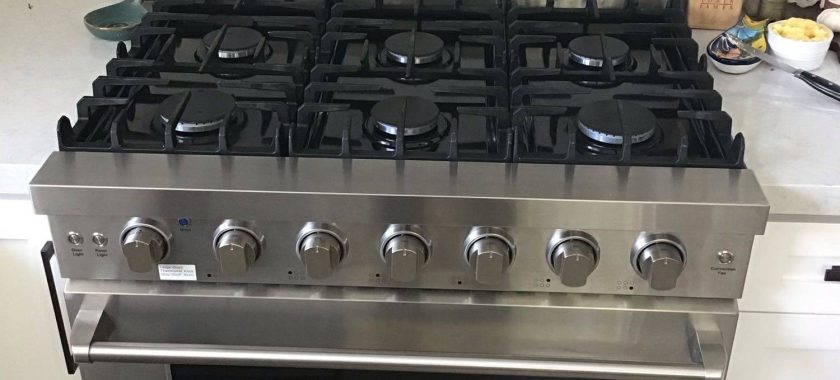
That sudden bang or “poof” when you turn on your gas stove is more than just a localized jump-scare; it is a clear communication from your appliance that the ignition sequence is out of sync. While a gas stove is a remarkably simple and reliable machine, the physics of its operation require a precise balance of fuel, oxygen, and timing. When that balance is disrupted, gas accumulates where it shouldn’t, leading to a delayed ignition that manifests as a small explosion or loud pop.
Understanding why this happens is the first step toward restoring safety and peace of mind in your kitchen.
The Mechanics of Delayed Ignition
Under normal circumstances, when you turn the dial to “Lite,” the igniter (either a spark module or a hot surface igniter) should catch the gas flowing out of the burner ports almost instantly. If there is even a three-to-five-second delay, enough gas can pool under the burner cap or around the grate to create a miniature “cloud” of fuel. When the spark finally catches, it doesn’t just light a stream; it ignites the entire accumulated cloud at once. This is what causes the popping sound and the occasional visible flash of flame.
Primary Causes of Burner Popping
Several mechanical and environmental factors can lead to this unsettling phenomenon. Most are related to hygiene or wear and tear.
1. Clogged Burner Ports
The most common culprit is a buildup of grease, spilled food, or cleaning residue. Gas flows through tiny holes in the burner head. If half of these holes are blocked, the gas cannot reach the igniter quickly enough. It must “fill up” the burner head until it finds an open path to the spark, leading to a buildup and a subsequent pop.
2. Misaligned Burner Caps
If the heavy metal disc sitting atop your burner is slightly skewed, it alters the path of the gas. Instead of being directed toward the igniter, the gas may leak out of the side, pooling in the burner well before eventually reaching the spark.
3. Moisture in the Igniter
If you have recently cleaned your stovetop with a heavy hand or had a pot boil over, the ceramic igniter may be damp. Moisture can short out the spark or weaken it, making it take several clicks to successfully light the gas. This delay is the perfect window for gas buildup.
4. Faulty Spark Module or Electrode
Over time, the electrode that produces the spark can become worn or coated in carbon. If the spark is weak or intermittent, it won’t ignite the gas on the first “click.” Similarly, a failing spark module may not provide enough voltage to create a hot enough spark for instant ignition.
The Safety Implications
While a single pop might seem like a minor annoyance, it is a symptom of an uncontrolled combustion event. Repeated delayed ignitions can damage the burner assembly, soot up your cookware, and, in rare cases, lead to a larger flash fire that could singe hair or clothing. Furthermore, the smell of gas (mercaptan) that often accompanies these pops indicates that uncombusted fuel is entering your living space.
Troubleshooting and Maintenance
Before calling in the experts, there are a few “home remedies” that are safe to perform:
- The Deep Clean: Remove the burner caps and heads. Use a paperclip or a fine needle to clear out every individual port hole. Avoid using toothpicks, as they can break off and create a permanent clog.
- Dry it Out: If the stove was recently cleaned, use a hairdryer on a low setting to dry the igniter and burner area thoroughly.
- Check Alignment: Ensure the burner cap is seated perfectly flat in its groove.
If the popping persists after a thorough cleaning and drying, the issue likely lies within the internal gas valves or the electronic ignition system—areas that require professional diagnostic tools.
Professional Intervention
Gas appliances are not the place for guesswork. If your stove continues to “protest” every time you start dinner, it is time to seek professional assistance. Internal component failures, such as a cracked ceramic igniter or a leaking manifold, require specialized knowledge to repair safely.
Contact Chula Vista Appliance Repair Company
Don’t let a faulty stove turn your kitchen into a source of anxiety. At Chula Vista Appliance Repair Company, we specialize in gas range diagnostics and repair. Our technicians are trained to identify the root cause of delayed ignition, from faulty spark modules to complex valve issues, ensuring your appliance operates safely and efficiently.
Protect your home and your family by addressing gas issues immediately. Call Chula Vista Appliance Repair Company today to schedule a comprehensive inspection and repair service.
Contact us
(619) 880-5508