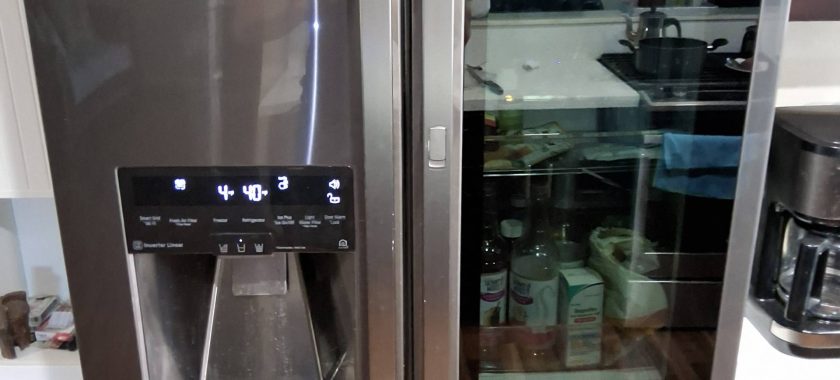
A refrigerator is designed to keep your food fresh by maintaining a consistent temperature throughout its compartments. However, if you’ve noticed that some areas of your fridge are freezing while others remain perfectly fine, it’s a sign that something may be wrong with the appliance. Uneven cooling is not just an inconvenience—it can lead to spoiled food, wasted groceries, and even higher energy bills. Understanding the potential causes, particularly airflow or thermostat issues, is key to resolving this problem before it becomes more serious.
How Refrigerators Maintain Temperature
Modern refrigerators use a combination of a thermostat, fans, and vents to regulate temperature. The thermostat senses the internal temperature and tells the compressor when to turn on or off. Meanwhile, a system of vents and fans distributes cold air evenly across the fridge. When all components work correctly, your refrigerator should maintain a uniform temperature, preventing food from freezing in some areas while remaining warm in others.
Common Causes of Uneven Freezing
- Airflow Obstructions
The most common cause of localized freezing is restricted airflow. Most refrigerators rely on a fan system to circulate cold air from the freezer compartment to the fridge section. If vents are blocked by food items or improperly loaded shelves, cold air can accumulate in certain areas, causing some foods to freeze. Even small items like bottles or boxes placed directly in front of vents can create significant temperature variations.
- Faulty Thermostat
A malfunctioning thermostat can cause uneven cooling. If the thermostat fails to accurately sense the temperature or send the correct signals to the compressor, the fridge may overcool certain areas. This can result in ice forming in one section while other sections remain above the desired temperature. Over time, a faulty thermostat can also stress the compressor, increasing energy consumption and leading to higher electricity bills.
- Defective Fan or Damaged Evaporator Coils
The fan and evaporator coils are essential components of your refrigerator’s cooling system. The evaporator coils absorb heat from inside the fridge, and the fan circulates the chilled air throughout the compartments. If the fan is malfunctioning, or if the coils are frozen or damaged, air circulation can be disrupted. This often leads to cold spots and areas where food may freeze unexpectedly.
- Temperature Setting Issues
Sometimes, the issue is as simple as incorrect temperature settings. Refrigerators should typically be set between 37–40°F (3–4°C) for the fridge section and 0°F (-18°C) for the freezer. If the fridge is set too low, even working components may cause localized freezing. Checking and adjusting the temperature settings is a simple first step before calling for professional help.
How to Troubleshoot Before Calling for Service
Before contacting a repair service, you can perform a few simple checks:
- Inspect airflow vents: Make sure nothing is blocking the vents inside the refrigerator. Rearrange items to allow cold air to circulate freely.
- Check the thermostat: If your refrigerator has a digital display, ensure the temperature settings are correct. Manual thermostats should be set according to the manufacturer’s instructions.
- Observe the fan operation: Open the fridge door and listen for the fan running. If you hear unusual noises or no airflow, the fan may require servicing.
- Avoid overloading the fridge: Too much food can restrict air circulation, causing uneven cooling. Remove excess items and allow space between foods.
While these steps may temporarily improve performance, persistent freezing in certain areas usually indicates a deeper mechanical problem. At this point, professional diagnostics are the safest and most reliable solution.
Why Professional Repair Is Recommended
A certified appliance technician can quickly identify and resolve issues that are difficult to diagnose at home. For example, they can test the thermostat, inspect and clean the evaporator coils, and replace malfunctioning fans or sensors. Professional repair not only restores proper function but also prevents potential damage to food and the appliance itself. Attempting complex repairs without proper expertise can be risky and may void warranties.
Preventing Future Freezing Problems
To minimize the risk of uneven freezing:
- Keep vents clear and avoid blocking airflow.
- Maintain proper temperature settings.
- Regularly clean and defrost your fridge according to the manufacturer’s guidelines.
- Schedule routine maintenance checks with a professional appliance service.
By taking these steps, you can ensure your refrigerator operates efficiently, keeps your food fresh, and avoids unexpected cold spots.
If you notice food freezing in certain areas of your refrigerator despite correct settings, it’s time to call the experts. Chula Vista Appliance Repair Company provides professional diagnostics and repair for all refrigerator issues, including airflow problems, faulty thermostats, and damaged fans. Don’t risk spoiled food or higher energy bills—schedule a service today and restore consistent cooling to your kitchen.
Contact us
(619) 880-5508