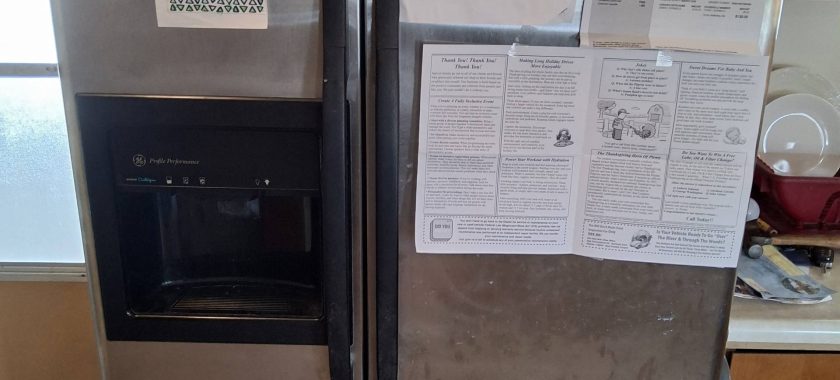
A refrigerator is one of the most reliable appliances in your home, quietly working day and night to keep your food fresh. Most people only notice it when something goes wrong, such as a sudden warm smell, excessive frost, or a loud grinding noise. But what if the opposite happens — your fridge seems quieter than usual, yet the cooling inside is inconsistent? This subtle shift might seem minor, but it can be a red flag for underlying issues that deserve attention.
A quieter refrigerator can initially feel like a relief, especially if you have been bothered by humming or vibration. However, sound is an important indicator of a fridge’s internal health. Components like the compressor, fans, and motor all create specific noises when functioning correctly. When these sounds change — either reducing, disappearing, or becoming irregular — it can indicate that the appliance isn’t operating optimally.
One common reason for a fridge running quietly but cooling unevenly is a weakening compressor. The compressor is essentially the heart of your refrigerator, circulating refrigerant to maintain consistent cooling. When the compressor begins to struggle, it may produce less noise while simultaneously losing efficiency. This can result in areas of the fridge or freezer that are too warm while others remain colder than usual. Food safety can be compromised, as some items may start to spoil faster than expected.
Another potential cause is an issue with the evaporator fan. The fan is responsible for circulating cold air throughout the refrigerator and freezer compartments. If the fan is failing or obstructed, the fridge may operate with reduced noise because the airflow is diminished. As a result, certain sections may receive insufficient cooling, creating inconsistent temperatures that are not easily noticeable until food shows signs of spoilage.
Thermostat problems or sensor malfunctions can also contribute to irregular cooling. Modern refrigerators often rely on temperature sensors to regulate the compressor and fans. If a sensor gives inaccurate readings, the appliance may reduce its activity to avoid overcooling. While this might make the fridge seem quieter, the actual cooling performance can drop, leading to uneven temperatures across shelves and drawers.
A quieter fridge could also signal issues with the condenser coils or refrigerant levels. Dusty or blocked condenser coils force the fridge to work harder, and over time, refrigerant leaks or low levels can cause the appliance to struggle. When this happens, the compressor may operate intermittently, producing less noise while failing to maintain a consistent cold environment.
Ignoring these subtle signs can lead to more serious problems. Prolonged inconsistent cooling may damage the compressor, increase energy consumption, and ultimately lead to a complete breakdown. Furthermore, spoiled food can become a recurring issue, resulting in unnecessary waste and higher grocery bills. Catching these problems early is far more cost-effective than waiting for a major failure.
So, what can homeowners do when they notice that their refrigerator has become quieter but less effective? The first step is to monitor temperature patterns. Check your fridge and freezer temperatures with a thermometer to ensure they remain within safe ranges — typically 37–40°F (3–4°C) for the fridge and 0°F (-18°C) for the freezer. Note any areas that feel warmer or colder than others.
Cleaning the condenser coils is another simple step. Dust and debris on the coils can reduce cooling efficiency, even if the fridge appears to be running normally. Ensure the appliance is unplugged before attempting any cleaning to avoid safety risks.
However, many causes of quieter, inconsistent cooling require professional attention. Experienced technicians can assess the compressor, fans, refrigerant levels, and electrical components to diagnose the issue accurately. Early service can prevent costly repairs, restore consistent cooling, and extend the lifespan of your appliance.
If you notice that your refrigerator is quieter than usual but food isn’t cooling evenly, don’t wait. Even minor changes in sound or temperature can indicate underlying mechanical or electrical problems that may worsen over time. Prompt service ensures your food stays fresh, your appliance operates efficiently, and small problems don’t turn into major expenses.
For reliable repair and maintenance, contact Chula Vista Appliance Repair Company. Their trained technicians specialize in identifying subtle signs of appliance issues, providing thorough inspections, and restoring your refrigerator to optimal performance. Taking action now can prevent bigger problems later and keep your kitchen running smoothly.
Contact us
(619) 880-5508