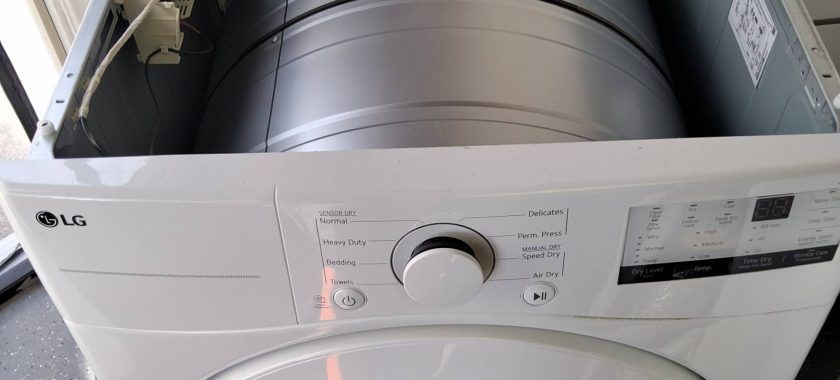
A washing machine that starts normally but struggles mid-cycle may seem like a minor inconvenience, yet this shift can signal underlying issues that, if left untreated, could lead to costly repairs or even total appliance failure. Understanding the causes and early warning signs is key to keeping your laundry routine smooth and avoiding unexpected breakdowns.
When a washer initiates its cycle as usual but slows down, struggles to spin, or shows inconsistent agitation, homeowners often assume it’s due to overloading, detergent residue, or simply a “quirky” machine. While these are potential factors, more serious issues can be at play behind the scenes.
One of the most common causes of mid-cycle weakness is motor or drive system wear. Over time, the motor that powers your washer or the belt connecting it to the drum can experience strain, friction, or partial failure. This can result in diminished power during the cycle, especially when the drum is fully loaded. Left unaddressed, the motor may overheat or burn out, turning a simple repair into a major expense.
Another potential culprit is a clogged or malfunctioning water pump. If water isn’t circulating properly, the washer may struggle to rinse and spin efficiently, creating the sensation of weakened performance. This not only affects cleaning effectiveness but also increases energy consumption and cycle duration.
Electronic control boards and sensors can also contribute to mid-cycle issues. Modern washers rely on sensors to regulate water levels, detect load imbalance, and adjust spin speed. A malfunctioning sensor may misread load weight or water levels, causing the washer to reduce speed or interrupt its standard cycle. While this might seem minor, ignoring it can eventually compromise other components and affect the longevity of your appliance.
Additionally, wear in the drum bearings or suspension system can manifest as mid-cycle weakness. If the drum is not properly supported or spins unevenly due to worn bearings, the washer may slow down to compensate, resulting in less vigorous cleaning and extended cycles. Detecting this early is crucial because ignoring bearing wear can lead to loud noises, leaks, and complete drum failure.
Sometimes, simple maintenance can prevent or mitigate mid-cycle performance issues. Regularly checking hoses, pumps, and belts for wear, cleaning detergent dispensers, and avoiding overloading your washer are basic but effective steps. However, if performance issues persist despite routine care, professional evaluation is essential.
Ignoring subtle mid-cycle changes often leads to escalating problems. A washer that struggles halfway through a cycle may eventually fail to complete cycles, leave clothes poorly cleaned, or even cause water leakage that damages flooring. By addressing the issue promptly, you not only protect your investment but also ensure consistent washing performance, energy efficiency, and household safety.
At Chula Vista Appliance Repair Company, our experienced technicians specialize in diagnosing and repairing washers exhibiting mid-cycle weakness. Whether the issue is a worn motor, a malfunctioning sensor, a faulty pump, or suspension wear, we provide thorough inspection, accurate repair, and lasting solutions. Regular maintenance and early intervention can extend the life of your washer and save money in the long run.
Don’t wait until a small shift in your washer’s performance becomes a major problem. If your washer starts normally but feels weaker mid-cycle, call Chula Vista Appliance Repair Company today. Our experts are ready to restore your appliance to peak condition, ensuring every load comes out perfectly clean without unexpected delays or failures.
Don’t let appliance malfunctions disrupt your daily routine. Trust Chula Vista Appliance Repair Company to get your appliances back up and running smoothly. Visit our website today to find out more about our exceptional services and how we can assist you. Experience the difference with Chula Vista Appliance Repair Company – your go-to expert for reliable appliance repairs.
Contact us
(619) 880-5508