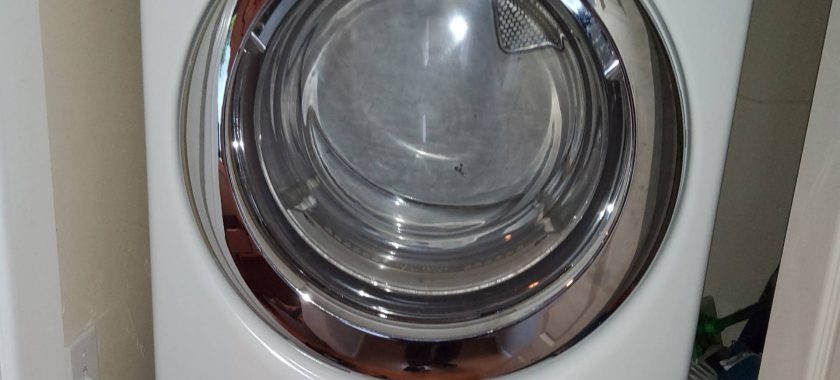
Laundry day is supposed to be simple: load your washer, select the temperature, add detergent, and press start. But what happens when your washer works perfectly on warm cycles, yet struggles or fails entirely on hot cycles? Many homeowners are puzzled by this behavior, assuming it’s a minor glitch or user error. In reality, a hidden overheating issue may be sabotaging your machine’s hot water function. Understanding this subtle problem is crucial to avoid appliance damage and ruined laundry.
Why Hot Cycles Fail
Washing machines are designed to handle a range of water temperatures. Warm cycles mix hot and cold water to reach an intermediate temperature, which is gentler on clothes. Hot cycles, however, rely on heating elements or incoming hot water to reach higher temperatures. When your washer fails only on hot settings, it’s often not a random fault—it’s a sign that the system is struggling with excessive heat or temperature regulation.
Several components could be responsible:
- Heating Element Malfunction
The heating element raises the water temperature during hot cycles. Over time, mineral deposits or corrosion can reduce efficiency, causing the element to overheat or fail intermittently. This can trigger safety mechanisms in your washer, halting the cycle to prevent damage.
- Thermostat or Temperature Sensor Issues
Modern washers rely on sensors to monitor water temperature. If a thermostat or sensor malfunctions, the machine may incorrectly detect overheating and refuse to continue the cycle. This prevents potential hazards but can be frustrating for users who only notice the problem during hot washes.
- Control Board Limitations
The control board regulates the washer’s functions, including heating. Overheating of the control board itself, or faulty relays connected to the heating element, can cause cycles to stop mid-way or fail entirely on hot settings.
- Water Flow Problems
Insufficient water flow can amplify overheating issues. If your washer does not receive adequate hot water or the water mixing valve is clogged, the machine may overheat the water while trying to reach the target temperature. This often leads to error codes or cycle interruptions.
Signs of an Overheating Washer
Identifying the problem early can prevent costly repairs. Common signs include:
- Washer stops mid-cycle only on hot settings
- Clothes come out damp despite completing a warm or cold cycle
- The washer displays error codes or flashes warning lights
- A burning smell or unusual heat emanates from the appliance (rare, but urgent)
- The machine hesitates or makes unusual noises when heating water
Why Ignoring the Problem Is Risky
Hot water cycles put more stress on washers than warm or cold cycles. Ignoring overheating issues can lead to:
- Permanent damage to the heating element or control board
- Electrical hazards if the system fails while powered
- Reduced efficiency and higher energy bills
- Fabric damage from inconsistent water temperatures
Even if the washer seems fine on warm cycles, continuing to force hot washes may worsen the underlying problem.
What to Do Next
Diagnosing and repairing a hidden overheating issue requires professional expertise. DIY attempts can risk further damage or void your appliance warranty. A certified technician will typically:
- Inspect and test the heating element for functionality and signs of wear
- Check thermostats and temperature sensors for accurate readings
- Examine the control board for faulty relays or overheating
- Test water flow and hot water valves to ensure proper supply
Proper diagnosis ensures the issue is resolved efficiently, saving you money and avoiding repeated repairs.
Preventive Tips
Once the washer is fixed, take steps to prevent overheating issues from recurring:
- Use hot cycles only when necessary; frequent use increases wear on heating components
- Periodically clean the washer’s interior and water inlets to prevent mineral buildup
- Schedule regular maintenance checks with a professional service
- Monitor error codes and unusual behavior early to catch problems before they escalate
A washer that performs flawlessly on warm cycles but fails on hot ones is more than a minor inconvenience—it’s a signal that your appliance is experiencing an overheating issue. Left unchecked, this subtle problem can escalate, leading to costly repairs or even safety hazards. Professional service is the most reliable way to diagnose and fix the issue, ensuring your laundry routine remains hassle-free.
If your washer struggles on hot cycles, don’t wait until it’s too late. Contact Chula Vista Appliance Repair Company for fast, reliable service. Their expert technicians will identify the cause of your washer’s overheating problem and restore its full functionality, keeping your laundry routine smooth and worry-free.
Contact us
(619) 880-5508