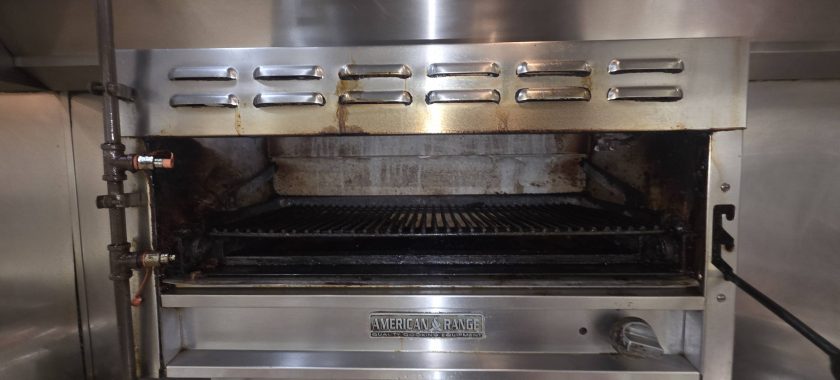
When a range oven begins cooking food unevenly, it can quickly become frustrating. One side of a dish may be overcooked while the other remains underdone. Cakes may rise unevenly, cookies can brown inconsistently, and roasts may require much longer cooking times than expected. In many cases, homeowners notice that the stovetop burners continue working normally, which makes the problem seem confusing.
The good news is that when burners operate correctly but the oven does not heat evenly, the issue is often isolated to components inside the oven cavity. Common causes include temperature calibration problems, failing heating elements, faulty sensors, airflow restrictions, or control board malfunctions.
Understanding these potential issues can help determine when professional service is needed.
Oven Calibration Problems
Modern ovens rely on precise temperature calibration to maintain consistent cooking performance. Over time, calibration settings can drift, causing the oven temperature to differ from the temperature shown on the display.
For example, the control panel may indicate that the oven has reached 350°F, while the actual temperature inside is significantly lower or higher. This discrepancy can result in uneven cooking, especially for baked goods that require stable temperatures.
Some ovens allow users to manually adjust calibration settings. However, if the temperature variation is substantial or keeps returning after adjustment, a deeper problem may exist within the temperature control system.
Weak or Failing Bake Element
The bake element, usually located at the bottom of the oven, provides most of the heat during baking operations.
A partially failed bake element may still glow and produce heat, leading homeowners to believe it is functioning correctly. However, it may not generate enough heat across its entire surface. This creates hot and cold zones inside the oven.
Signs of a weakening bake element include:
- Food cooking unevenly on different oven racks
- Longer preheating times
- Undercooked centers with overcooked edges
- Visible damage, blistering, or cracks on the element
As the element continues to deteriorate, heating performance becomes increasingly inconsistent.
Broil Element Imbalance
The broil element, located near the top of the oven, also contributes to temperature regulation in many modern ranges.
Even during baking cycles, some ovens periodically activate the broil element to help maintain temperature consistency. If the broil element is malfunctioning, the oven may struggle to distribute heat properly.
An imbalance between the bake and broil elements often creates uneven browning. Foods placed on upper racks may cook differently than foods positioned lower in the cavity.
Professional testing can determine whether the broil element is receiving proper voltage and generating the required heat output.
Faulty Temperature Sensor
The oven temperature sensor continuously monitors internal heat levels and sends information to the electronic control board.
If the sensor begins providing inaccurate readings, the control system may incorrectly cycle heating elements on and off. As a result, actual oven temperatures fluctuate significantly without the user’s knowledge.
Symptoms of a failing temperature sensor may include:
- Unpredictable cooking results
- Temperature swings during baking
- Frequent overcooking or undercooking
- Extended cooking times
Sensor problems are common in older ovens and can often be diagnosed through electrical resistance testing.
Airflow and Heat Distribution Issues
Even when heating elements function correctly, poor airflow inside the oven can cause uneven temperatures.
Many modern ovens use convection fans to circulate heated air throughout the cavity. If the fan motor weakens or stops working, heat may collect in certain areas while leaving others cooler.
Blocked vents, damaged fan blades, or accumulated grease can also interfere with proper air circulation.
Common indicators of airflow problems include:
- One side of the oven cooking faster than the other
- Uneven browning
- Significant temperature differences between racks
- Longer cooking times
A technician can inspect airflow components and verify that heat is circulating properly.
Electronic Control Board Malfunctions
The electronic control board serves as the brain of the oven. It regulates heating cycles, monitors sensors, and manages temperature settings.
When control board components begin failing, they may send incorrect commands to heating elements or misinterpret sensor data. This can create inconsistent temperatures even when the heating elements themselves are functioning normally.
Control board failures often produce intermittent symptoms, making them difficult to diagnose without professional testing equipment.
Possible signs include:
- Random temperature fluctuations
- Inconsistent cooking results
- Error codes on the display
- Unusual heating patterns
Because modern control boards contain complex electronics, replacement and programming should be handled by qualified technicians.
Door Seal Problems
A damaged oven door gasket can also contribute to uneven heating.
The gasket creates a seal that keeps hot air inside the oven. If the seal becomes cracked, loose, or compressed, heat can escape during cooking cycles.
This heat loss forces the oven to work harder to maintain temperature and may create uneven heating zones within the cavity.
Inspecting the door seal regularly can help identify wear before it affects cooking performance.
Why Professional Diagnosis Matters
Uneven oven heating can result from several different components, many of which produce similar symptoms. Replacing parts without proper testing can lead to unnecessary expenses and ongoing problems.
Professional technicians use specialized diagnostic tools to evaluate:
- Heating element performance
- Temperature sensor accuracy
- Control board operation
- Airflow systems
- Electrical connections
- Calibration settings
Accurate diagnosis helps ensure the correct repair is performed the first time.
Schedule Expert Oven Repair
If your range oven heats unevenly while the burners continue working normally, the problem may involve calibration issues, a failing heating element, a faulty temperature sensor, airflow restrictions, or electronic control failures. Prompt service can prevent further performance issues and restore reliable cooking results.
Contact Chula Vista Appliance Repair Company today for professional oven diagnostics and repair. Our experienced technicians can identify the source of uneven heating and provide dependable solutions to keep your kitchen operating efficiently.
Contact us
(619) 880-5508