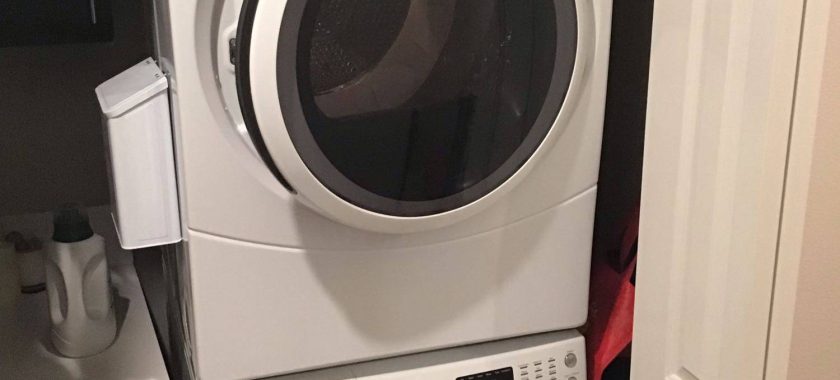
A washing machine is designed to follow a precise sequence. It fills with water, determines when the correct level has been reached, begins washing, drains when required, and continues through the selected cycle. When the appliance repeatedly fills and drains without ever starting to wash, something is interrupting that sequence. Although this behavior may seem like a software glitch, it is often caused by a faulty pressure switch or a malfunctioning water level sensor.
This problem should not be ignored. Continuous filling and draining wastes water, increases electricity consumption, extends cycle times, and places unnecessary stress on pumps, valves, and electronic components. Addressing the issue early can prevent more extensive and costly repairs.
How the Water Level System Works
Every washing machine needs to know exactly how much water is inside the tub before beginning the wash cycle. It relies on a pressure switch or water level sensor to provide this information.
As the tub fills, air pressure changes inside a small tube connected to the pressure switch. Once the desired water level is reached, the switch signals the control board to stop filling and start washing.
Modern machines may use electronic water level sensors instead of traditional mechanical pressure switches, but the purpose remains the same—accurately measuring water levels throughout the cycle.
If the machine never receives the correct signal, it may continue filling, drain unexpectedly, or repeat both actions without progressing to the wash cycle.
Signs of Pressure Switch or Sensor Problems
Several symptoms commonly point toward problems with the water level detection system:
- The washer fills with water, drains immediately, and refills.
- The wash cycle never begins.
- Water levels appear unusually high or unusually low.
- Cycles take much longer than normal.
- Error codes related to water level or pressure appear on the display.
- The machine continuously alternates between filling and draining.
These symptoms often become more frequent over time as the faulty component deteriorates.
Faulty Pressure Switch
A worn or defective pressure switch may incorrectly report the water level.
Instead of telling the control board that enough water has entered the tub, it may continue signaling that the tub is empty. In response, the washer keeps filling. Eventually the control system detects an abnormal condition and activates the drain pump before attempting to refill again.
Internal electrical contacts inside the switch can also wear out after years of regular use.
Blocked or Damaged Pressure Hose
The pressure switch depends on a small air tube connected to the bottom of the tub.
If this hose becomes clogged with detergent residue, lint, or debris, the pressure changes cannot reach the switch accurately. Likewise, a cracked or leaking hose prevents proper pressure from building inside the system.
Even though the switch itself may still work perfectly, incorrect pressure readings can confuse the control board and interrupt the wash cycle.
Water Level Sensor Failure
Many modern washing machines use electronic pressure sensors instead of mechanical switches.
These sensors provide continuous measurements to the control board. If the sensor begins sending inaccurate readings or loses communication with the control board, the washer may repeatedly attempt to correct what it believes is an incorrect water level.
Because electronic sensors require specialized diagnostic equipment for testing, professional inspection is usually recommended.
Control Board Communication Issues
Sometimes the pressure switch and sensor operate correctly, but the electronic control board fails to interpret their signals.
Loose wiring, damaged connectors, moisture exposure, or internal circuit failures may interrupt communication between components.
Since the control board manages every stage of the cycle, even minor communication problems can create confusing symptoms that resemble sensor failures.
Drain System Problems
In some cases, the washer is actually filling correctly, but water is leaving the tub as quickly as it enters.
A drain hose installed too low can create a siphoning effect, allowing water to flow out continuously. As the water level never reaches the required point, the machine keeps refilling.
Similarly, certain drain pump issues may activate unexpectedly if the control board believes an overflow condition exists.
Checking the drain hose installation is one of the first steps during diagnosis.
Why Prompt Repairs Matter
Repeated filling and draining puts every water-handling component under additional strain.
The inlet valves open far more frequently than intended, the drain pump operates continuously, and electronic relays cycle repeatedly. Over time, this unnecessary workload accelerates wear on multiple parts.
In addition to higher utility bills, prolonged operation under these conditions increases the risk of secondary failures that require more expensive repairs.
Avoid Guessing the Cause
Because several components work together to regulate water levels, replacing parts without proper testing often fails to solve the problem.
Professional technicians use diagnostic procedures to verify the operation of the pressure switch, inspect the pressure hose, test electronic sensors, evaluate wiring, and confirm correct control board communication before replacing any components.
This approach ensures the actual source of the malfunction is identified rather than replacing parts based on symptoms alone.
Restore Proper Washing Performance
If your washing machine repeatedly fills and drains without ever beginning the wash cycle, the issue is unlikely to resolve on its own. Whether the cause is a faulty pressure switch, a malfunctioning water level sensor, a blocked pressure hose, or an electronic control problem, prompt diagnosis can prevent additional damage and unnecessary operating costs.
The experienced technicians at Chula Vista Appliance Repair Company can accurately diagnose water level control problems and restore your washing machine to reliable operation. Schedule professional service today to prevent further wear and get your laundry routine back on track.
Contact us
(619) 880-5508