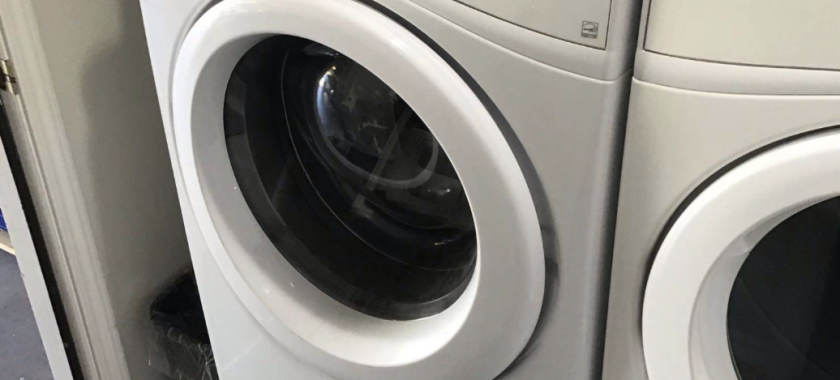
A washing machine that keeps filling with water until it overflows is one of the most alarming appliance problems a homeowner can experience. If your GE washing machine overflows with water, immediate attention is necessary to prevent water damage, ruined flooring, and expensive repairs. This issue is commonly linked to a faulty water inlet valve or a malfunctioning pressure sensor, although other components may also contribute to the problem.
Understanding why your washer is overflowing can help you react quickly and avoid further damage. While some basic checks are safe to perform, most internal component failures require professional diagnosis and repair.
Why Does a GE Washing Machine Overflow?
A GE washing machine is designed to fill with a precise amount of water before beginning the wash cycle. Once the correct water level is reached, the control system signals the inlet valve to stop supplying water.
If this process is interrupted, water continues entering the tub until it spills over the top. This may happen while the washer is running or even after it has been turned off.
Several components work together to regulate the water level, and a failure in any of them can result in overflowing.
Faulty Water Inlet Valve
One of the most common reasons for a GE washer overflowing is a defective water inlet valve.
The inlet valve opens when the control board requests water and closes once the proper level has been reached. Over time, mineral buildup, worn internal seals, or electrical failures can prevent the valve from closing completely.
Common signs include:
- Water continues entering after the cycle should stop.
- The washer slowly fills even when powered off.
- Overflow occurs at the beginning of every wash cycle.
- Water never completely shuts off.
A stuck-open valve cannot be repaired in most cases and usually requires replacement.
Pressure Sensor Failure
Modern GE washing machines rely on a pressure sensor to detect how much water is inside the tub.
The sensor measures air pressure inside a connected tube. As the water level rises, air pressure increases. Once the programmed level is reached, the sensor signals the control board to stop filling.
If the pressure sensor fails or provides inaccurate readings, the washer believes the tub is still empty and continues adding water.
Symptoms often include:
- Excessively high water levels.
- Overflow during every cycle.
- Error codes related to water level detection.
- Wash cycles stopping unexpectedly.
A damaged pressure sensor should be tested with professional equipment before replacement.
Damaged Pressure Hose
The pressure sensor depends on a small air hose connected to the bottom of the tub.
If this hose becomes clogged, disconnected, kinked, or develops a leak, the pressure sensor cannot accurately measure the water level.
Possible issues include:
- Soap residue blocking the hose.
- Small cracks allowing air to escape.
- Loose connections.
- Internal moisture preventing accurate readings.
Cleaning or replacing the hose may solve the problem if caught early.
Electronic Control Board Problems
Although less common, the electronic control board may also be responsible.
The board manages communication between the pressure sensor and the inlet valve. If it misinterprets incoming signals or fails to deactivate the valve, the washer may continue filling indefinitely.
Control board failures often appear alongside other unusual symptoms, including:
- Random cycle interruptions.
- Incorrect cycle selections.
- Flashing display lights.
- Multiple unrelated error codes.
Electronic diagnostics are required to confirm this type of failure.
Why You Should Act Quickly
Allowing an overflowing washing machine to continue operating can create serious problems beyond the appliance itself.
Potential consequences include:
- Water damage to flooring.
- Mold and mildew growth.
- Damage to nearby cabinets or walls.
- Electrical hazards.
- Costly home repairs.
The moment you notice water overflowing, turn off the washer and shut off the household water supply connected to the machine.
Can Homeowners Fix It?
There are a few simple inspections homeowners can safely perform.
Check whether the water continues flowing after unplugging the washer. If it does, the inlet valve is likely stuck open.
Inspect the water supply hoses for leaks or damage.
Look for visible kinks or loose connections around the pressure hose if accessible.
However, replacing internal components such as pressure sensors, inlet valves, or electronic control boards requires proper tools and electrical testing.
Attempting repairs without experience can lead to incorrect installation or additional damage.
Preventive Maintenance
Routine maintenance helps reduce the likelihood of overflow problems.
Helpful maintenance practices include:
- Clean inlet hose screens annually.
- Use the recommended amount of HE detergent.
- Avoid overloading the washer.
- Inspect hoses for wear every few months.
- Address unusual filling behavior immediately.
Early repairs often prevent much larger appliance failures.
Trust Experienced Professionals
Because multiple systems regulate your washer’s water level, accurate diagnosis is essential. Replacing parts based on guesswork often wastes both time and money.
Experienced appliance technicians can quickly identify whether the issue involves the water inlet valve, pressure sensor, pressure hose, control board, or another related component. Professional repairs restore safe operation while preventing unnecessary replacement of working parts.
If your GE washing machine overflows with water, don’t wait for water damage to spread throughout your home. Contact Chula Vista Appliance Repair Company for fast, reliable washing machine repair. Their experienced technicians diagnose the problem accurately, replace defective components with quality parts, and restore your GE washer to dependable operation. Schedule your service today and protect both your appliance and your home from costly water damage.
Contact us
(619) 880-5508