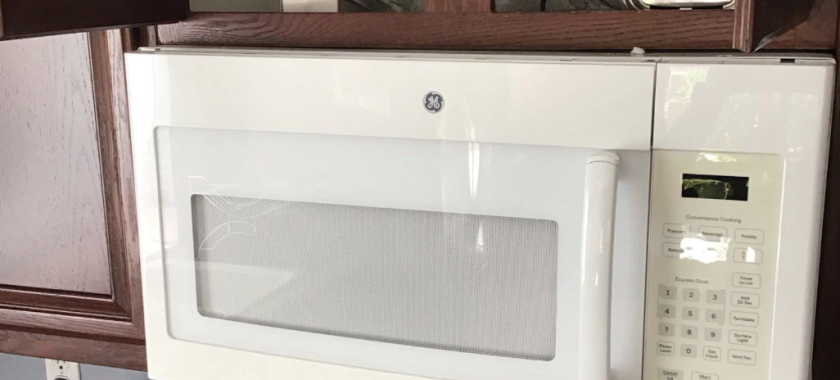
A KitchenAid microwave is designed with multiple built-in safety features, and one of the most important is the door latch system. Every time you close the microwave door, the latch assembly secures the door in place and activates safety switches that allow the appliance to operate. If the microwave door won’t latch properly, the unit may refuse to start, stop unexpectedly, or display an error message. While the problem may seem minor at first, it should never be ignored because the door locking mechanism is essential for safe operation.
In many cases, a KitchenAid microwave door that won’t latch correctly is caused by a damaged door hook, worn latch assembly, broken springs, misaligned hinges, or faulty door switches. Identifying the source of the problem early can prevent further damage and restore your microwave’s reliable performance.
Why the Door Latch Is So Important
Unlike many other kitchen appliances, a microwave will only operate when the control system confirms that the door is fully closed and securely locked. The latch mechanism engages several safety switches that prevent microwave energy from being generated if the door is open.
If the latch fails to engage properly, the microwave may:
- Refuse to start.
- Stop during a cooking cycle.
- Display a door-related error code.
- Require repeated attempts to close the door.
- Feel loose when shutting.
These symptoms often point to wear within the door locking system.
Worn or Broken Door Hook
One of the most common causes of latching problems is a damaged door hook.
The door hook is a plastic or reinforced component attached to the microwave door. As the door closes, the hook slides into the latch assembly and activates the internal safety switches.
After years of repeated use, the hook can:
- Crack.
- Wear down.
- Bend.
- Break completely.
Signs of a damaged door hook include:
- The door won’t stay closed.
- The latch feels loose.
- The microwave only works when pressure is applied to the door.
- Visible damage to the hook.
Replacing the door hook usually restores proper engagement with the latch mechanism.
Faulty Latch Assembly
The latch assembly is mounted inside the microwave frame and receives the door hooks when the door closes.
Over time, internal parts within the latch assembly may wear, loosen, or break. As a result, the hooks no longer engage securely.
Common symptoms include:
- The door popping open.
- Difficulty closing the door.
- Clicking sounds without latching.
- Intermittent operation.
- Microwave refusing to start.
Because the latch assembly also supports the safety switch system, it should be repaired promptly.
Defective Door Switches
Modern KitchenAid microwaves use multiple door switches to verify that the door is fully closed before allowing operation.
If one of these switches fails, the microwave may behave as though the door is still open even when the latch appears normal.
Possible symptoms include:
- Interior light staying on.
- Display showing “Door” errors.
- Microwave stopping unexpectedly.
- Fan operating without heating.
- Failure to begin cooking.
Testing door switches requires electrical measurements and should be performed by a qualified technician.
Misaligned Door Hinges
The microwave door depends on properly aligned hinges to position the door hooks correctly inside the latch assembly.
Hinges may become misaligned because of:
- Normal wear.
- Accidental impact.
- Slamming the door.
- Loose mounting hardware.
A misaligned door may:
- Sit unevenly.
- Rub against the cabinet.
- Require lifting before closing.
- Fail to engage the latch consistently.
Correcting the alignment helps prevent unnecessary wear on the hooks and latch assembly.
Broken Latch Springs
Some KitchenAid microwave models include small springs within the latch mechanism that help maintain proper tension.
If these springs become stretched or break, the latch may not fully engage or release correctly.
Common signs include:
- Loose door movement.
- Weak latch action.
- Door reopening after closing.
- Inconsistent operation.
Replacing damaged springs restores the correct movement of the latch mechanism.
Avoid Forcing the Door Closed
If your microwave door doesn’t latch easily, avoid using excessive force.
Forcing the door shut may:
- Break the door hooks.
- Damage the latch assembly.
- Crack the plastic trim.
- Misalign the hinges.
- Damage the safety switches.
Instead, stop using the appliance until the problem has been properly diagnosed.
Why Prompt Repairs Matter
A faulty microwave door latch affects more than convenience. Because the latch is directly connected to the appliance’s safety system, ignoring the issue can result in additional component damage and unreliable operation.
Delaying repairs may lead to:
- Complete latch assembly failure.
- Damaged safety switches.
- Broken door hinges.
- More expensive repairs.
- Loss of microwave functionality.
Repairing the problem early is often faster and more affordable than replacing multiple damaged parts.
Professional Diagnosis Ensures Safe Repairs
Several different components work together every time the microwave door closes. Since many of them produce similar symptoms, accurate diagnosis is essential.
Professional appliance technicians inspect:
- Door hooks.
- Latch assembly.
- Door switches.
- Hinge alignment.
- Latch springs.
- Door frame.
- Electrical operation of the safety system.
A complete inspection ensures the correct component is repaired or replaced while maintaining the microwave’s built-in safety features.
Preventive Maintenance Tips
You can help extend the life of your microwave door by following a few simple habits:
- Close the door gently instead of slamming it.
- Keep food debris away from the latch area.
- Avoid hanging heavy objects on the open door.
- Clean the door frame regularly.
- Schedule service if the latch begins feeling loose or inconsistent.
Routine care helps reduce wear on the latch system and keeps the microwave operating safely.
Trust Chula Vista Appliance Repair Company
If your KitchenAid microwave door won’t latch properly, don’t ignore the problem. A damaged door hook, worn latch assembly, faulty safety switch, or misaligned door can prevent your microwave from operating safely and reliably. The experienced technicians at Chula Vista Appliance Repair Company provide accurate diagnostics and dependable repairs for KitchenAid microwaves and other major appliance brands. Contact Chula Vista Appliance Repair Company today to schedule professional microwave repair and restore safe, reliable performance in your kitchen.
Contact us
(619) 880-5508