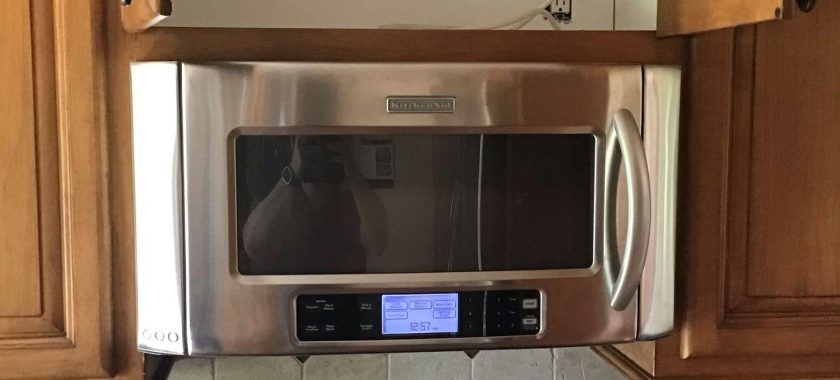
A microwave that lights up normally, shows time, responds to buttons, and runs through its cycle—but barely heats food—is a common and frustrating failure pattern. At first glance, it feels like a minor performance drop. In reality, it usually signals a deeper problem inside the high-voltage system or a failing core heating component.
Understanding what is happening inside the appliance helps narrow down whether the issue is repairable or likely to worsen.
How a Microwave Actually Produces Heat
The display and control panel operate on low voltage. They can function perfectly even when the heating system is compromised. Cooking power, however, depends on a component called the magnetron, which converts electrical energy into microwave radiation.
To operate, the magnetron relies on a high-voltage circuit that includes a transformer or inverter, capacitors, and diodes. If any part of this chain weakens, the microwave may still run, but heating efficiency drops sharply.
This is why a fully functional display does not guarantee proper cooking performance.
Weak Heating and the Magnetron
The magnetron is the primary suspect when food takes much longer to heat or remains cold after a full cycle.
Over time, magnetrons degrade due to heat stress and continuous use. When performance drops, the microwave may still produce microwaves, but at a significantly reduced intensity. This creates uneven or slow heating rather than complete failure.
Typical signs of a weakening magnetron include:
- Food heats unevenly, with cold spots remaining
- Longer cooking times are required for basic reheating
- The microwave runs normally without unusual sounds or smells
Once a magnetron begins to fail, performance usually continues to decline rather than stabilize.
Voltage and Power Supply Problems
Microwaves are sensitive to voltage consistency. If the electrical supply is unstable or insufficient, the appliance may run but not generate full cooking power.
This issue can originate from:
- Faulty household outlet or loose wiring
- Extension cords or power strips that cannot handle load
- Internal power supply degradation inside the microwave
In some cases, the microwave may appear completely normal except for reduced heating strength. This makes voltage-related issues easy to overlook.
Testing the appliance on a dedicated wall outlet is often the first step in narrowing down the cause.
High-Voltage Components and Hidden Failures
If the magnetron is not the issue, attention shifts to supporting components in the high-voltage circuit.
A weakened capacitor or diode can reduce the energy delivered to the magnetron. The microwave will still run its cycle, but output power drops significantly. These parts often fail gradually, which means the problem develops over weeks rather than suddenly.
Another possibility is an aging inverter system in modern microwaves. Inverter-controlled units may reduce output when internal regulation becomes unstable, creating the impression of “weak cooking power.”
Door Switch and Safety Mechanisms
Microwaves include safety interlocks that ensure the door is fully closed before activating high-voltage systems. If a door switch becomes worn or misaligned, the microwave may operate but fail to deliver full power consistently.
This type of failure is subtle. The unit does not stop working entirely, but heating becomes unreliable and inconsistent.
When Repair Becomes Necessary
Weak heating should not be ignored. Continuing to use a microwave in this condition can place additional stress on remaining components, leading to complete failure.
A proper diagnosis requires testing high-voltage components and measuring output performance. These are not safe or practical checks for untrained users due to the stored electrical charge inside the system even when unplugged.
In most cases, replacing a failing magnetron or repairing the high-voltage circuit restores normal performance, but accurate diagnosis is essential before parts are replaced.
A microwave that powers on but heats poorly is rarely suffering from a simple cosmetic or control issue. The problem almost always lies in energy generation or delivery, not user controls or programming.
Early attention to weak heating symptoms can prevent more extensive damage and reduce repair costs.
For accurate diagnostics and professional repair, it is best to rely on experienced technicians who understand high-voltage microwave systems.
If your microwave shows signs of reduced heating performance, you can arrange a service visit with Chula Vista Appliance Repair Company to inspect and restore proper operation.
Contact us
(619) 880-5508