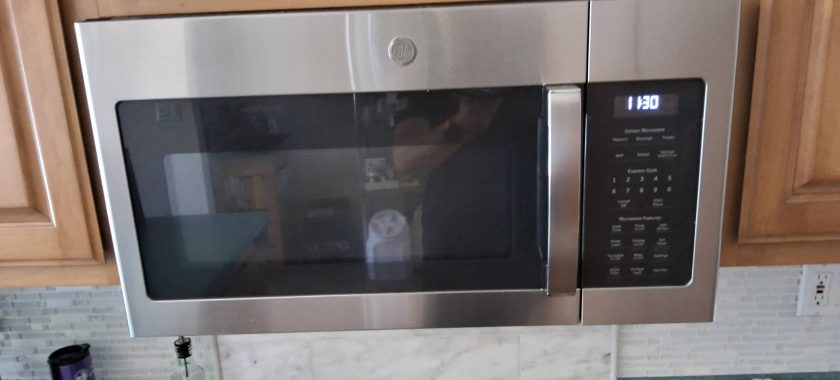
A microwave that starts making clicking noises while taking much longer to heat food usually signals a problem inside the high-voltage heating system. Many homeowners first notice the issue when meals come out unevenly warmed, liquids stay lukewarm, or cooking times suddenly double. The clicking sound may seem minor at first, but it often points to electrical stress that can lead to complete microwave failure if ignored.
Unlike cosmetic appliance problems, heating issues inside a microwave involve components that operate with extremely high voltage. That is why unusual sounds combined with weak heating should never be dismissed as normal wear.
Why the Clicking Sound Happens
Microwaves rely on several electrical components working together to generate heat. When one of these parts begins to fail, the appliance may produce repetitive clicking noises during operation.
The sound often comes from:
- A failing magnetron
- A defective high-voltage diode
- A weak capacitor
- A damaged transformer
- Relay issues on the control board
- Loose electrical connections
In many cases, the microwave still powers on, the light works, and the turntable rotates normally. This can make the appliance appear functional even though the heating system is no longer operating efficiently.
The Magnetron Is Often the Main Cause
The magnetron is the component responsible for generating microwave energy that heats food. Over time, the magnetron can weaken due to age, overheating, voltage fluctuations, or heavy use.
When the magnetron starts failing, several symptoms usually appear together:
- Clicking or buzzing sounds
- Longer cooking times
- Inconsistent heating
- Burning smells
- Sudden shutdowns during use
A damaged magnetron may still produce some heat, which is why food warms slowly instead of not heating at all. Eventually, the component may fail completely.
Microwaves that are frequently used for long cooking cycles or operate with blocked ventilation are especially vulnerable to magnetron damage.
Power Supply Problems Can Reduce Heating Performance
The microwave’s high-voltage power supply includes the capacitor, transformer, and diode. These parts deliver the energy needed for proper heating.
If one of these components weakens, the microwave may struggle to maintain full power output. Clicking sounds can occur when electrical current becomes unstable or when relays repeatedly attempt to activate the heating circuit.
A failing diode is one common issue. When damaged, it can reduce heating power dramatically while still allowing the microwave to appear operational.
Capacitor problems may also create clicking or humming noises. In some cases, the microwave may trip breakers or produce intermittent heating patterns.
Because these parts store dangerous electrical charge even after unplugging the appliance, diagnosis should always be handled by trained technicians.
Overheating Can Trigger Internal Damage
Poor airflow is another major factor behind microwave heating problems. Built-in and over-the-range units rely on ventilation systems to prevent internal overheating.
When vents become clogged with grease, dust, or debris, internal temperatures rise quickly. Excessive heat stresses the magnetron and surrounding electrical components.
Common causes include:
- Blocked air vents
- Failed cooling fan
- Installing the microwave too close to cabinets
- Heavy daily usage without cooldown periods
Overheating may initially cause temporary performance loss before permanent damage develops.
Why DIY Repairs Are Risky
Many homeowners search for microwave repair videos online and assume replacing a part will be simple. However, microwave repair involves serious electrical hazards.
Even after disconnecting power, the capacitor inside the appliance can retain a dangerous charge capable of causing severe injury.
Improper repairs may also:
- Damage the control board
- Create fire hazards
- Cause electrical shorts
- Lead to radiation leakage
- Void manufacturer warranties
Because multiple components can produce similar symptoms, accurate testing equipment is needed to identify the exact failure.
Signs You Should Schedule Service Immediately
If your microwave produces clicking noises together with slow heating, delaying repairs can worsen the damage.
Professional service is recommended when you notice:
- Food remains cold after normal cook times
- Loud clicking, humming, or buzzing sounds
- Sparks or burning odors
- Microwave shuts off unexpectedly
- Uneven heating patterns
- Breaker trips during operation
Continuing to use a failing microwave may place additional stress on the transformer and control system, increasing repair costs later.
Professional Diagnosis Saves Time and Money
A trained appliance technician can safely inspect the microwave’s electrical system and determine whether repair is practical or replacement is more cost-effective.
Professional service includes:
- Testing high-voltage components
- Inspecting wiring and relays
- Evaluating magnetron performance
- Checking ventilation systems
- Verifying safe microwave operation
In many cases, early repair prevents larger electrical failures and extends appliance lifespan significantly.
Preventing Future Microwave Damage
While component wear is unavoidable over time, proper maintenance helps reduce stress on the heating system.
To improve microwave longevity:
- Keep vents clean and unobstructed
- Avoid running the microwave empty
- Use microwave-safe containers only
- Do not slam the door
- Clean grease buildup regularly
- Allow cooling periods during heavy use
Power surges can also damage sensitive microwave electronics, so surge protection may help in areas with unstable electrical supply.
Call Chula Vista Appliance Repair Company
If your microwave makes clicking sounds and food heats slowly, the problem may involve the magnetron or high-voltage power supply. Ignoring the issue can lead to complete appliance failure or unsafe operation.
The experienced technicians at Chula Vista Appliance Repair Company provide professional microwave diagnostics and repair services for residential appliances. Whether the issue involves electrical components, heating performance, or ventilation problems, trained specialists can identify the cause and restore safe operation quickly.
Schedule service with Chula Vista Appliance Repair Company today and get your microwave working efficiently again before the damage becomes more expensive.
Contact us
(619) 880-5508