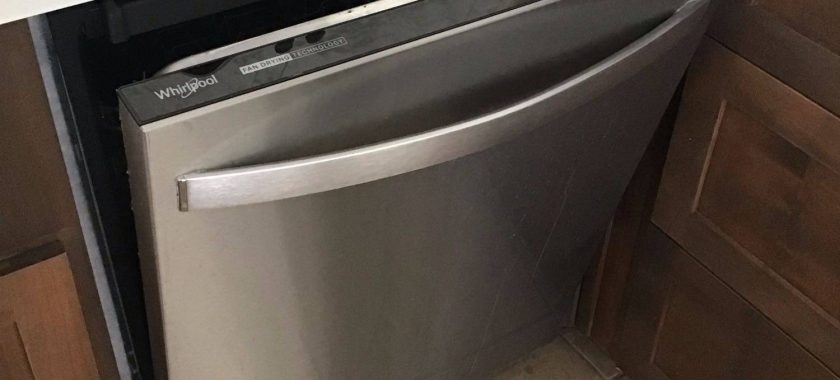
A Miele dishwasher can complete a full cycle, clean the dishes properly, and still leave glasses, plates, and cookware noticeably wet. Some moisture is normal after washing, especially on plastic items, but excessive water on most dishes can indicate a problem with the dishwasher’s drying system.
Miele dishwashers use controlled heat and airflow to remove moisture during the drying stage. Depending on the model, the process may involve a heating element, ventilation system, drying fan, condensation drying, or a combination of these components. When one of these parts fails, the dishwasher may appear to work normally while the dishes remain wet at the end of the cycle.
One of the first things to check is whether the dishwasher is producing enough heat. During a normal cycle, the water becomes hot enough to clean effectively and support the drying process. If the water remains relatively cool, the heating system may not be working correctly. A defective heating element is one possible cause.
The heating element can fail because of electrical problems, internal damage, mineral buildup, or normal wear. In some cases, the element itself is functional but is not receiving power because another component in the electrical circuit has failed. A technician may need to test the element and related wiring to determine where the problem is located.
A faulty temperature sensor can also affect drying performance. The dishwasher relies on temperature information to control heating during different stages of the cycle. If the sensor sends incorrect readings, the control system may reduce or stop heating even though the dishwasher does not display an obvious error.
Another possibility is a problem with the drying fan or ventilation system. A drying fan helps move warm, humid air through the dishwasher so moisture can escape. If the fan motor stops working, becomes obstructed, or has an electrical fault, condensation may remain inside the tub. You may notice water droplets on the interior walls and dishes that are still wet when the cycle ends.
The fan itself can sometimes become noisy before it stops working completely. Unusual humming, rattling, or intermittent operation during the drying stage can provide a useful clue. However, the absence of noise does not automatically confirm a fan failure, since different Miele models use different drying technologies.
The dishwasher’s filters and ventilation paths should also be considered. A clogged filter can interfere with proper water circulation and drainage, leaving additional moisture inside the appliance. Food particles and residue can accumulate around the filter system over time. Cleaning the filters according to the manufacturer’s instructions is a reasonable maintenance step, but it will not repair a defective heating element, fan, sensor, or control component.
The rinse aid system can also influence drying results. Rinse aid helps water run off dishes more effectively instead of forming droplets on their surfaces. If the rinse aid reservoir is empty or the dispenser is not operating correctly, dishes may come out wetter than usual. Plastic containers are particularly likely to retain water because they do not retain heat as well as glass or ceramic dishes.
It is also worth considering the selected wash program. Some cycles are designed to use less energy or may have different drying characteristics. If dishes are consistently wet across several appropriate programs, however, the issue is more likely to require inspection.
A dishwasher that suddenly starts leaving everything wet deserves more attention than one that has always produced slightly damp plastic containers. A change in performance can indicate that a component has begun to fail. Continuing to run repeated cycles may not solve the problem and could place additional stress on a malfunctioning electrical or heating component.
Diagnosing the problem requires more than simply checking whether the dishes are wet. A technician can inspect the heating system, test electrical connections, evaluate temperature sensors, check the drying fan and ventilation components, and examine the control system. These tests help identify the actual cause instead of replacing parts based only on symptoms.
Electrical and heating components should be handled carefully. If you suspect a heating element, fan motor, wiring problem, or control-board failure, disconnecting the appliance from power before attempting any inspection is important. For internal electrical diagnostics, professional service is the safer option.
Regular maintenance can help prevent some drying problems. Keep the dishwasher filter clean, make sure the rinse aid dispenser is properly filled, avoid blocking ventilation areas, and use the appropriate cycle for the load. Proper loading also matters because tightly packed dishes can prevent air and heat from reaching their surfaces.
If your Miele dishwasher cleans normally but leaves dishes wet after every cycle, the cause may be a heating element, drying fan, temperature sensor, ventilation issue, rinse aid problem, or another component in the drying system. Identifying the exact fault is the key to choosing the correct repair.
For professional dishwasher troubleshooting and repair, contact Chula Vista Appliance Repair Company. Their technicians can inspect your Miele dishwasher, identify the cause of the drying problem, and recommend the appropriate repair.
Call Chula Vista Appliance Repair Company to schedule service and get your Miele dishwasher drying properly again.
Contact us
(619) 880-5508