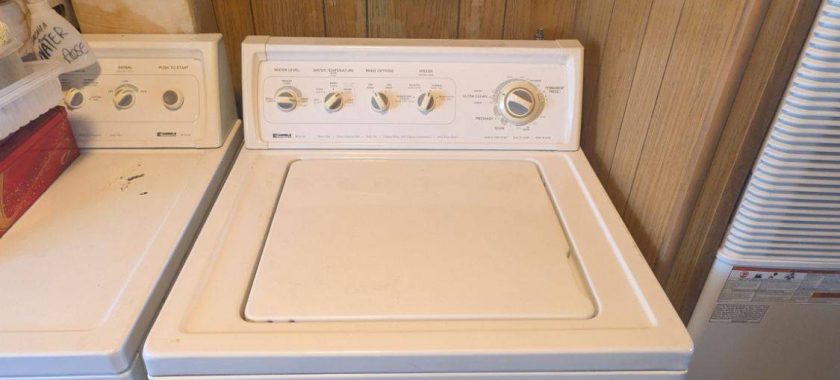
A Samsung washing machine that leaks water during the Self Clean cycle may have a damaged tub seal, deteriorated internal hose, or another problem affecting its water containment system. Homeowners might notice puddles beneath the appliance, moisture around the cabinet, or water escaping during particular stages of the cleaning program. Although Self Clean is designed to remove residue and buildup from the washer, it should not cause water to leak outside the machine.
Samsung washing machines use dedicated cleaning programs to maintain the interior drum and tub. Depending on the model, these programs may be labeled Self Clean, Self Clean+, or Drum Clean. They typically operate without laundry and use programmed water movement, temperature, and drum rotation to remove accumulated residue. Because cleaning cycles can involve different operating conditions from everyday washing, an existing leak may become more noticeable during this program.
A damaged tub seal is one possible cause of water leakage. Washing machines contain seals and gaskets that prevent water from escaping around connections and rotating components. Their location and design vary between front-loading and top-loading models. Over time, repeated vibration, temperature changes, and mechanical wear can cause sealing materials to deteriorate. When a seal loses its ability to contain water, moisture may escape during filling, agitation, or drum rotation.
On some Samsung front-loading washers, a deteriorated rear tub seal may allow water to reach the bearing assembly or leak from the back of the tub. This type of failure can develop gradually and may be accompanied by rumbling noises during spinning. Because the seal is located within the tub assembly, diagnosing and repairing it often requires substantial disassembly.
Front-loading models also have a flexible door boot gasket that seals the opening between the tub and cabinet. Small tears, trapped debris, or damaged sealing surfaces can allow water to escape around the door. A leak near the front of the washer may therefore involve the door gasket rather than the rear tub seal. Inspecting the visible gasket for damage can help identify this possibility.
Internal hose damage is another potential explanation. Samsung washers contain several hoses that transport water between the inlet system, detergent dispenser, tub, drain pump, and outlet connection. These hoses are designed to remain secure during repeated filling and draining. However, rubber deterioration, loose clamps, and mechanical vibration can eventually create leaks.
A cracked internal hose may release water only when a particular component operates. For example, damage to a dispenser-to-tub hose may cause leakage during filling, while a deteriorated tub-to-pump hose may leak when water collects in the lower section of the appliance. Drain hose connections can also release water when the pump begins removing wastewater. Identifying when the leak occurs helps narrow down the affected area.
Hose clamps and connectors deserve attention as well. Even when a hose remains intact, a loose clamp or damaged fitting may allow water to escape. Repeated vibration can worsen an existing connection problem. In some cases, leakage begins as occasional dripping before developing into a larger puddle beneath the washer. A technician can inspect internal connections and replace damaged components.
The Self Clean cycle may expose leaks that are less noticeable during regular washing. Certain cleaning programs use different water levels, drum movements, or temperatures, depending on the model. These conditions may place additional demands on aging seals and hose connections. However, the cleaning program itself does not necessarily cause the damage. A component may already be deteriorating before the leak becomes visible.
Drainage system problems can also contribute to water escaping during cleaning cycles. A partially blocked drain hose, damaged pump housing, or loose pump connection may cause leakage when wastewater is removed. Homeowners may notice that the floor remains dry during filling but becomes wet when the machine begins draining. This pattern can help technicians distinguish drainage problems from filling system leaks.
Excessive detergent residue is another factor worth considering. Samsung cleaning cycles generally have specific instructions regarding cleaning products, and some programs require no additional detergent. Using an unsuitable cleaner or excessive product may create foam that escapes through openings or interferes with normal drainage. Always follow the instructions for the exact washer model when running a cleaning cycle.
Water inlet connections may also be responsible for apparent internal leaks. Supply hoses attach to valves at the rear of the washing machine, and loose fittings can release water while the appliance fills. A leak originating from the back may travel along the cabinet or floor before becoming visible near the front. This can make the actual source difficult to identify without careful inspection.
Homeowners should stop the cleaning cycle if water begins leaking onto the floor. If it is safe to do so, disconnect the appliance from power and close the water supply valves. Avoid touching electrical connections or standing water near powered equipment. Water escaping beneath the washer can damage flooring and nearby cabinetry, making prompt attention important.
A visual inspection may help identify obvious problems. Check the door gasket on front-loading models, examine accessible supply and drain hose connections, and note where water first appears. Do not remove cabinet panels or reach into internal components while the washer remains connected to electricity. If the leak is substantial, avoid running additional cycles until professional diagnostics are completed.
Professional Samsung washing machine diagnostics may include inspecting tub seals, door gaskets, internal hoses, clamps, drain pump connections, and water inlet components. Technicians can identify whether the leak occurs during filling, drum movement, or draining. Accurate diagnosis helps determine whether a damaged hose, worn seal, or another component requires replacement.
A Samsung washing machine that leaks during the Self Clean cycle may have a deteriorated tub seal, damaged internal hose, loose connection, or drainage system problem. Chula Vista Appliance Repair Company provides professional Samsung washing machine diagnostics and repair services, including tub seal inspections, hose replacement, and leak troubleshooting. Contact Chula Vista Appliance Repair Company today to schedule professional Samsung washer repair and prevent further water damage.
Contact us
(619) 880-5508