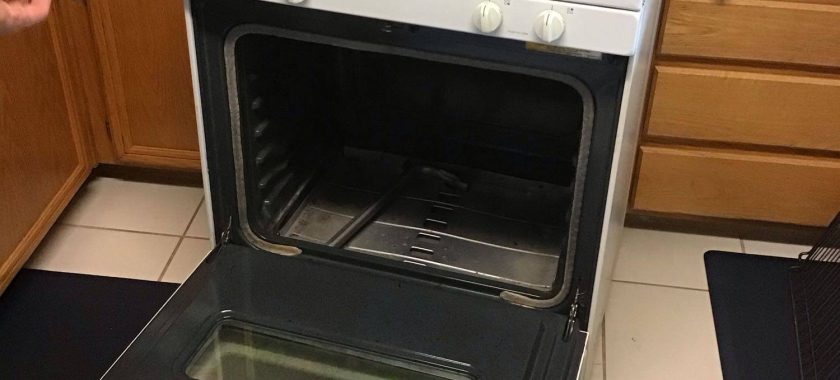
A Viking oven that cannot maintain the temperature you set can make everyday cooking frustrating and unpredictable. You may select 350°F, preheat the oven, and expect it to stay close to that temperature. Instead, the oven may become too hot, fail to heat enough, or repeatedly cycle between temperatures that are far outside the expected range.
Temperature fluctuations can affect baking, roasting, and cooking times. If food consistently comes out undercooked, overcooked, or unevenly browned, the oven may have a heating or temperature-control problem that requires inspection.
One possible cause is a faulty temperature sensor. Another is a problem with the heating elements. However, other components can also contribute to unstable oven temperatures, so proper diagnosis is important before replacing parts.
Faulty Temperature Sensor
The temperature sensor monitors the temperature inside the oven and sends information to the control system. Based on that information, the oven determines when the heating elements should turn on or off.
If the sensor is defective, damaged, incorrectly positioned, or affected by a wiring problem, the oven may receive inaccurate temperature information. For example, the control system may interpret the oven as hotter than it actually is and shut the heating elements off too early.
A faulty sensor can cause symptoms such as:
- The oven temperature fluctuates significantly.
- Food takes longer to cook than expected.
- The oven overheats or does not get hot enough.
- The display shows a temperature that does not match the actual interior temperature.
- Heating cycles seem irregular.
A technician can test the sensor and its electrical connections to determine whether it is producing the expected readings.
Damaged or Weak Heating Element
Heating elements are responsible for producing the heat required to bring the oven to the selected temperature and maintain it. Depending on the Viking model and cooking mode, the oven may use a bake element, broil element, or other heating components.
A heating element with a damaged section, electrical problem, or reduced performance may not generate enough heat. In some cases, the element may appear to work but fail to provide consistent heating throughout the cooking cycle.
Visible damage can include cracks, blistering, separation, or areas that do not glow or heat normally when the element is operating. However, not every heating element problem is visible, so electrical testing may be necessary.
Why the Oven May Cycle Normally but Still Have a Problem
It is normal for an oven to cycle its heating elements on and off. This is how the appliance regulates temperature. The problem occurs when those cycles do not maintain a reasonably consistent cooking temperature.
If the oven heats correctly during preheating but then struggles to maintain the selected temperature, the issue may involve the sensor, heating element, wiring, relay, or electronic control system.
A control board can also affect how the oven manages heating cycles. If the board receives incorrect information or fails to activate the heating components at the appropriate times, temperature regulation can become inconsistent.
Signs Your Viking Oven Needs Service
Pay attention to changes in how your oven performs. Several symptoms can indicate that professional service is needed:
- The oven takes much longer than usual to preheat.
- The set temperature is reached but quickly drops.
- The oven becomes significantly hotter than the selected setting.
- Baking results have changed without changes to your recipes.
- One cooking cycle works correctly while another does not.
- The heating element does not appear to operate normally.
- The oven displays an error code.
- The temperature fluctuates enough to affect cooking results.
Using an oven with an unresolved heating problem can make cooking unreliable and may place additional stress on other electrical components.
What a Technician Can Check
A proper diagnosis starts with determining whether the oven is actually reaching and maintaining the selected temperature. A technician may inspect the temperature sensor, heating elements, wiring, terminals, relays, and electronic control components.
The sensor can be tested for resistance and compared with the manufacturer’s specifications. Heating elements can be inspected for physical damage and tested for electrical continuity and proper operation.
If the sensor and heating elements are functioning correctly, the technician may investigate the control board or other components responsible for regulating the oven’s heating cycle.
Replacing a part without identifying the actual cause can result in unnecessary expense. Testing the system first helps determine which component is responsible for the temperature problem.
When to Schedule Viking Oven Repair
If your Viking oven repeatedly fails to maintain the temperature you select, professional appliance service can help identify the cause. Temperature problems can come from relatively simple component failures, but they can also involve electrical controls that require specialized testing.
Avoid relying on repeated adjustments to the temperature setting to compensate for an unstable oven. This can make cooking times inconsistent and may hide a developing mechanical or electrical problem.
For professional Viking oven troubleshooting and repair, contact Chula Vista Appliance Repair Company. A technician can inspect the oven, identify the source of the temperature problem, and recommend the appropriate repair.
Need help with a Viking oven that will not maintain the set temperature? Call Chula Vista Appliance Repair Company to schedule service today.
Contact us
(619) 880-5508