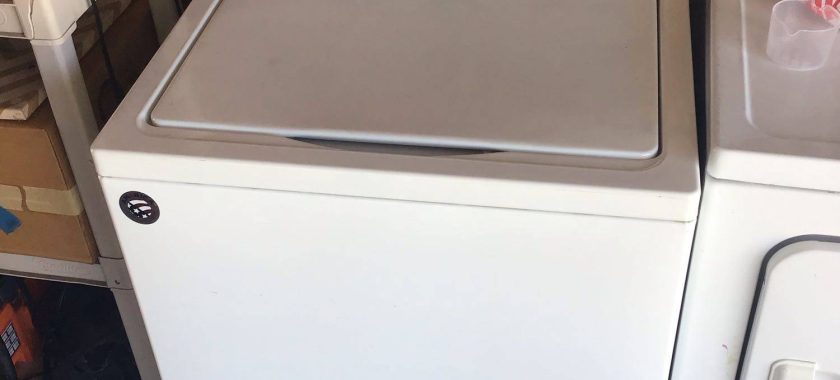
A washing machine is supposed to leave clothes fresh, clean, and ready to wear. When laundry comes out with a musty odor after every wash, it often indicates that something inside the appliance is preventing proper cleaning and drying conditions. While many homeowners assume the detergent is to blame, persistent unpleasant smells are frequently linked to drainage problems, moisture buildup, or poor drum ventilation.
Ignoring the issue can allow mold, mildew, and bacteria to grow inside the machine, making odors stronger over time and potentially affecting the lifespan of the appliance. Understanding the possible causes can help identify when professional service is needed.
Poor Drainage Can Leave Dirty Water Behind
One of the most common causes of musty-smelling laundry is incomplete drainage. During the wash cycle, dirty water must be completely removed from the drum before the rinse and spin cycles begin. If water remains trapped inside the machine, bacteria and mildew can develop.
Several components may contribute to drainage issues:
- A partially clogged drain pump
- A blocked drain hose
- Debris trapped in the pump filter
- Kinked or improperly installed drainage lines
Even a small amount of standing water can create conditions that encourage bacterial growth. Over time, the odor becomes embedded in the drum and transfers directly to clothing during every cycle.
If you notice water remaining in the drum after a load finishes or hear unusual noises during draining, a professional inspection is recommended.
Mold and Mildew Inside the Drum
The interior of a washing machine provides an ideal environment for mold growth. Moisture, detergent residue, fabric softener buildup, and warm temperatures combine to create conditions where mildew thrives.
Front-load washers are particularly susceptible because their door seals often retain moisture after use. Mold can develop behind the rubber gasket where it may not be immediately visible.
Signs of mold buildup include:
- Black spots around the door seal
- Strong musty odors when opening the washer
- Smells that persist even after cleaning cycles
- Clothing that smells worse after washing
Routine cleaning can help reduce buildup, but severe contamination often requires professional disassembly and deep cleaning of internal components.
Drum Ventilation Problems
Proper airflow is essential for preventing moisture accumulation inside a washing machine. When the drum remains damp for extended periods, odors quickly develop.
Several ventilation-related issues can contribute:
- Keeping the washer door closed continuously
- Blocked ventilation pathways
- Excessive moisture trapped within internal components
- Poor air circulation around the appliance
After a wash cycle, the drum should have an opportunity to dry. If moisture remains trapped inside, mold and bacteria can multiply rapidly.
Leaving the door slightly open between loads helps improve airflow, but if odors continue despite proper maintenance, there may be an internal ventilation issue requiring service.
Detergent and Fabric Softener Residue
Many homeowners use more detergent than necessary, assuming additional soap leads to cleaner clothes. In reality, excess detergent can create residue that accumulates inside the washer.
Residue commonly builds up on:
- The drum interior
- Door gaskets
- Detergent dispensers
- Drainage passages
- Internal hoses
This buildup becomes a food source for bacteria and mold. Fabric softener can worsen the problem because it often leaves a sticky coating inside the machine.
Using the correct detergent quantity and periodically running maintenance cycles can help reduce residue accumulation.
Clogged Pump Filters
Most washing machines contain a pump filter designed to capture lint, coins, hair, and other debris before they reach the drain pump.
Over time, these filters can become clogged. When this happens, drainage performance suffers and stagnant water may remain inside the machine.
Common symptoms include:
- Musty odors
- Slow draining
- Water remaining in the drum
- Longer cycle times
- Unusual pump noises
Cleaning a filter can sometimes resolve the issue, but recurring blockages may indicate a larger drainage problem that should be diagnosed by a technician.
Hidden Buildup in Internal Components
Even if the visible drum appears clean, odors may originate from hidden areas inside the appliance.
Potential problem areas include:
- Internal hoses
- Drain pump chambers
- Outer drum assemblies
- Water circulation pathways
Soap residue, lint, and organic material can accumulate in these locations over months or years. Since most of these components are inaccessible without disassembling the machine, professional servicing is often necessary to fully eliminate persistent odors.
Why the Problem Should Not Be Ignored
A musty smell is more than a simple inconvenience. It often indicates moisture retention or bacterial growth within the appliance.
Ignoring the issue can lead to:
- Stronger odors over time
- Mold growth inside the machine
- Reduced washing performance
- Increased wear on drainage components
- Costlier repairs in the future
Early diagnosis can prevent minor issues from developing into major mechanical failures.
Professional Diagnosis Makes a Difference
Because drainage systems, pumps, filters, and ventilation pathways all work together, determining the exact source of a musty smell can be challenging. Professional technicians have the tools and experience to inspect hidden components, identify drainage restrictions, and eliminate the underlying cause rather than simply masking the odor.
If your washing machine leaves clothes with a musty smell after every wash, the problem may be related to drainage issues, trapped moisture, mold buildup, or poor drum ventilation. Addressing the problem promptly helps protect both your appliance and your laundry.
For expert diagnosis and reliable repairs, contact Chula Vista Appliance Repair Company. Our experienced technicians can identify the source of unpleasant odors, restore proper washer performance, and help keep your laundry fresh and clean after every cycle. Schedule your service appointment today.
Contact us
(619) 880-5508