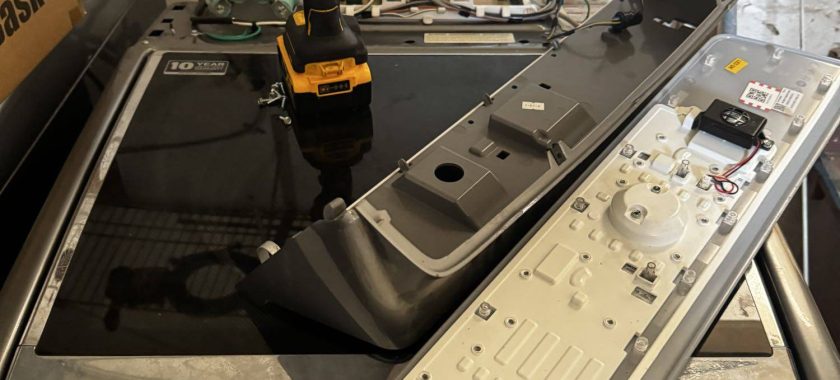
A GE induction cooktop is designed to heat cookware quickly and provide precise temperature control. However, if your cooktop starts making frequent, loud, or unusual clicking sounds during operation, it may indicate a problem that needs attention. While some clicking is normal for induction cooking, persistent or irregular noises can point to issues with the power module, induction coil, cookware, or electrical connections.
Understanding the difference between normal operating sounds and signs of a malfunction can help you determine when professional appliance repair is necessary.
Are Clicking Sounds Normal on a GE Induction Cooktop?
Induction cooktops operate differently from traditional electric ranges. Instead of heating a burner directly, they generate an electromagnetic field that heats compatible cookware. This process can produce humming, buzzing, or occasional clicking sounds.
Some noises come from the cookware itself. Different layers of metal inside a pan may vibrate when exposed to the electromagnetic field. The sound can become more noticeable at certain power levels, particularly when cooking at lower settings.
The cooktop’s electronic controls may also switch power on and off rapidly to regulate temperature. Depending on the model, these operations can produce occasional clicking sounds.
Before assuming something is wrong, check whether the noise occurs only with a particular pan or at a specific power setting. Try another induction-compatible pot or skillet with a flat bottom. If the sound changes significantly, the cookware may be responsible.
However, loud mechanical clicks, repeated electrical snapping, burning odors, error codes, or inconsistent heating should not be dismissed as normal operation.
Possible Cause 1: A Faulty Power Module
The power module is one of the main electronic components inside an induction cooktop. It controls the electrical energy supplied to the induction coils and helps regulate the heating process.
If the power module develops a fault, the cooktop may produce unusual clicking sounds while attempting to start or maintain a heating cycle. You might also notice that a cooking zone switches on and off unexpectedly, fails to reach the selected temperature, or stops heating altogether.
Electronic components can deteriorate because of age, excessive heat, electrical fluctuations, or internal component failure. Damaged relays or other switching components may contribute to unusual sounds, although clicking alone does not confirm that the power module is defective.
A technician can inspect the relevant circuitry, check for stored error codes, and test the components responsible for controlling the affected cooking zone. Depending on the findings, the repair may involve replacing a faulty component or the power module assembly.
Opening the cooktop to investigate the electronics yourself is not recommended. Induction appliances contain high-voltage circuitry, and some capacitors can retain a dangerous electrical charge even after the appliance has been disconnected from power.
Possible Cause 2: An Induction Coil Problem
Each cooking zone contains an induction coil that generates the electromagnetic field used to heat cookware. The coil works with the power electronics to deliver the appropriate amount of energy.
A damaged coil, loose connection, or problem in the associated circuitry can interfere with normal operation. In some cases, the cooktop may click repeatedly while trying to detect cookware or deliver power to the selected zone.
Other symptoms may include uneven heating, a cooking zone that shuts off unexpectedly, cookware detection problems, or an error message on the control panel.
Not every coil-related problem produces an audible noise. Likewise, a clicking sound does not automatically mean that the coil needs replacement. The power module, wiring, control board, and cookware detection system may produce similar symptoms.
A qualified appliance technician can examine the affected zone, compare its behavior with other cooking areas, and test the coil and its electrical connections. Accurate diagnosis helps prevent unnecessary part replacements and identifies whether the problem is limited to one zone or affects the entire appliance.
Possible Cause 3: Loose or Damaged Electrical Connections
Electrical connections inside an induction cooktop must remain secure to carry current safely. If a connection becomes loose, damaged, or overheated, the appliance may behave unpredictably.
Possible warning signs include repeated snapping or crackling, intermittent heating, a burning smell, visible damage, or a circuit breaker that trips during operation.
Electrical arcing can create clicking or snapping noises and presents a potential fire and shock hazard. If you suspect arcing, stop using the cooktop immediately. Switch off the circuit breaker if it is safe to do so, and arrange professional service. Do not remove the glass surface or attempt to tighten internal connections yourself.
A technician can inspect the wiring, terminals, and relevant electrical components to determine whether a connection has deteriorated or another fault is responsible.
Possible Cause 4: Cookware or Power Supply Issues
Sometimes, the source of the clicking is outside the cooktop’s internal components.
Cookware with uneven bases, layered metal construction, or unsuitable dimensions may vibrate during induction heating. A pan that is not centered on the cooking zone can also affect cookware detection and heating performance.
Check that the cookware is induction-compatible and positioned correctly. If the manufacturer’s instructions permit it, test the cooktop with another suitable pan and compare the results.
Power supply problems can also affect electronic appliances. Voltage fluctuations or an issue with the dedicated electrical circuit may cause unexpected behavior, although clicking by itself is insufficient to establish an electrical supply fault.
If the cooktop repeatedly shuts down, displays errors, or causes the breaker to trip, discontinue use and have the appliance and its electrical supply inspected.
When Should You Schedule GE Induction Cooktop Repair?
Occasional clicking that has always occurred during normal heating may not require repair, especially when the cooktop heats consistently and shows no warning signs.
Professional diagnosis is advisable when the noise becomes louder, changes suddenly, occurs continuously, or is accompanied by poor heating performance. A cooking zone that repeatedly stops working, a persistent error code, or unusual electrical behavior also warrants attention.
If you notice smoke, a burning odor, or electrical snapping, stop using the appliance immediately. Do not continue testing it to reproduce the sound.
During a service visit, a technician can evaluate the symptoms, inspect the power module and induction coils, examine electrical connections, and test the controls. The appropriate repair depends on the confirmed cause, the cooktop model, and the condition of its components.
Prompt diagnosis can help prevent a minor fault from developing into more extensive damage. It also reduces the risk of replacing expensive parts that are still functioning correctly.
Get Professional GE Induction Cooktop Repair in Chula Vista
A GE induction cooktop that clicks unusually during operation may have a simple cookware-related issue or a more serious problem involving its power module, induction coil, or electrical connections. Identifying the actual cause is the best way to restore reliable operation and avoid unnecessary repairs.
If your GE induction cooktop makes persistent clicking sounds, heats inconsistently, or displays error messages, contact Chula Vista Appliance Repair Company for professional appliance service.
Call 619-880-5508 to schedule a service appointment. Have your GE model number and a description of the symptoms ready so the technician can better understand the problem and determine the next steps.