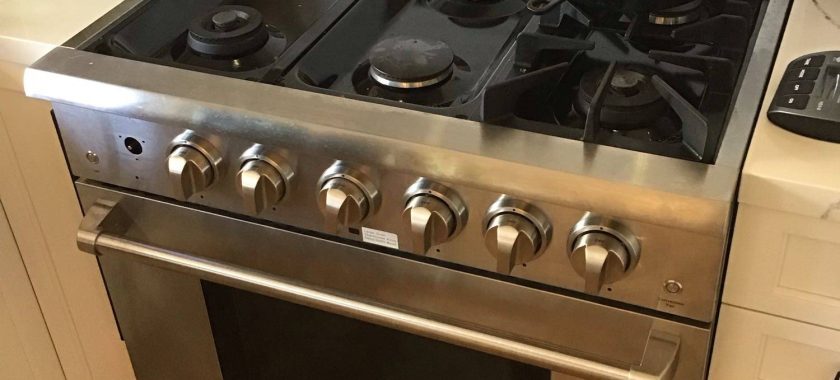
An inaccurate oven temperature can turn a Wolf gas range into a source of constant frustration. You set the oven to 350°F, but food comes out undercooked. You increase the temperature, and suddenly the outside is burning while the center remains raw. In other cases, the oven may appear to work normally but fluctuate far more than expected during a cooking cycle.
Some temperature variation is normal. Gas ovens cycle the burner on and off to maintain the selected temperature, so the temperature inside the cavity naturally rises and falls. However, significant or persistent inaccuracies can indicate a problem with the temperature-sensing system, electronic control board, ignition components, or gas burner operation.
Understanding the possible causes can help you determine when professional appliance repair is needed.
How a Wolf Gas Oven Controls Temperature
A gas range oven uses several components to maintain the selected cooking temperature. The temperature sensor monitors the heat inside the oven cavity and sends information to the electronic control system. The control board uses that information to determine when the burner needs to operate.
When the oven temperature drops below the programmed range, the control system can call for heat. The igniter and gas valve system then allow the burner to ignite. Once the oven reaches the appropriate temperature, the control system stops the heating cycle.
This process repeats throughout cooking.
If the sensor provides incorrect information or the electronic control board does not process the information correctly, the oven may maintain the wrong temperature. A problem elsewhere in the ignition or burner system can also prevent the oven from heating consistently.
A Faulty Temperature Sensor Can Cause Incorrect Readings
The temperature sensor is one of the first components a technician may inspect when an oven consistently runs too hot or too cold.
The sensor is designed to measure the temperature inside the oven. If its resistance is outside the manufacturer’s specified range, the control system may receive inaccurate information. For example, the sensor may indicate that the oven is hotter than it actually is, causing the burner to shut off prematurely.
A damaged, displaced, or contaminated sensor can also affect temperature regulation.
If your Wolf oven consistently produces results that suggest the actual temperature is significantly different from the setting, the sensor should be tested rather than replaced based only on symptoms.
Electronic Control Board Problems
The electronic control board coordinates several oven functions, including temperature regulation. If the board has an internal fault, it may not correctly interpret the signal from the temperature sensor or may fail to control the heating cycle as intended.
Possible symptoms include an oven that:
- Runs consistently too hot or too cold
- Struggles to maintain a stable temperature
- Does not respond correctly to temperature adjustments
- Heats intermittently
- Displays unusual behavior during preheating
- Stops or starts heating at inappropriate times
Electronic control problems can be more difficult to diagnose because the board may appear normal from the outside. Proper testing of the sensor, wiring, and related components is necessary before determining whether the control board is actually responsible.
Ignition and Burner Problems Can Affect Oven Temperature
Not every temperature problem originates with the sensor or control board.
A gas oven also depends on reliable ignition and proper burner operation. If the igniter is weak, ignition may take too long or fail intermittently. A restricted burner assembly can produce an uneven or insufficient flame. Problems with the gas valve or related components can also interfere with the oven’s ability to produce the required heat.
In these situations, the oven may eventually reach the selected temperature but take much longer than normal. It may also struggle to recover temperature after the door is opened.
A technician should therefore evaluate the entire heating system instead of replacing the temperature sensor or control board without testing.
How to Check Whether the Oven Is Actually Inaccurate
Before arranging a repair, you can perform a basic temperature check using an appropriate oven thermometer.
Place the thermometer inside the oven and allow the appliance to complete its preheating cycle. Compare the thermometer reading with the selected temperature. Because gas ovens cycle during normal operation, one isolated reading does not necessarily indicate a failure.
Instead, observe the temperature over multiple heating cycles.
Also pay attention to how the oven behaves. Does it take unusually long to preheat? Does the burner appear to cycle normally? Does the oven consistently overcook or undercook food? These details can help a technician narrow down the problem.
Avoid attempting to disassemble gas components or electrical controls yourself. Gas appliances combine fuel, combustion, high temperatures, and electrical systems, so repairs require appropriate testing procedures.
When Professional Repair Is Necessary
If your Wolf gas range repeatedly produces incorrect cooking temperatures, professional diagnosis can prevent unnecessary parts replacement.
A technician can test the oven temperature sensor, inspect wiring and connections, evaluate the electronic control board, check the igniter and burner operation, and verify that the heating system is functioning correctly.
The goal is to identify the component responsible for the inaccurate temperature and determine whether repair or replacement is appropriate.
An oven that is only slightly different from the selected temperature may simply require normal calibration, depending on the model and manufacturer’s specifications. A major or sudden change in temperature, however, deserves attention, especially if the oven is taking much longer to heat or is producing inconsistent cooking results.
Call Chula Vista Appliance Repair Company
If your Wolf gas range oven is running too hot, too cold, or cannot maintain the selected temperature, the problem may involve the temperature sensor, electronic control board, ignition system, or another heating component.
For professional troubleshooting and repair, contact Chula Vista Appliance Repair Company at (619) 880-5508 . A qualified appliance technician can inspect the oven, identify the cause of the temperature problem, and recommend the appropriate repair.